

The Architecture of the Subconscious: Decoding Dream Research Findings
New dream research findings from the IMT School for Advanced Studies Lucca reveal that our nightly narratives are far from random occurrences. Instead, these experiences are calibrated by a sophisticated interplay between personality traits, daily cognitive cycles, and major societal shifts. By analyzing over 3,700 dream descriptions, researchers have established a structural baseline for why some dreams feel intensely immersive while others remain fragmented and strange.
The Logic of Fragmented Realities
The study, published in Communications Psychology, utilized data from 287 participants to determine how internal mind-wandering affects sleep. Consequently, individuals with high tendencies for mental drift reported dreams that were more disjointed and shifting. In contrast, those who view dreaming as a meaningful cognitive function experienced more detailed and vivid environments. This suggests that our waking perception of consciousness directly dictates the structural integrity of our sleep states.

The Translation: How the Brain Reworks Reality
To understand the “why” behind these dream research findings, we must look at how the brain functions as a strategic editor. Rather than simply replaying memories, the human brain performs a structural reconstruction of familiar environments. For instance, workplace or school settings are often blended with imagined perspectives to create entirely new scenes. This process demonstrates that dreaming is a generative mechanism that integrates past data with anticipated future scenarios.

Furthermore, the research highlighted how external catalysts, such as the COVID-19 pandemic, intensified this process. Data from the Sapienza University of Rome indicated that lockdown restrictions triggered more emotionally charged dream themes. However, as individuals adapted to the societal shift, the intensity of these dreams recalibrated to baseline levels, showing the brain’s inherent resilience and capacity for stabilization.
The Socio-Economic Impact: Mental Health and National Productivity
Understanding the mechanics of sleep is a critical catalyst for improving the mental health of Pakistan’s workforce and student population. In a high-stress environment, fragmented sleep and strange dreams often serve as early indicators of cognitive fatigue or anxiety. By applying these dream research findings, mental health professionals can better diagnose stressors related to daily mind-wandering and societal pressures. Ultimately, a population that understands its subconscious patterns is more equipped to achieve peak cognitive efficiency and emotional stability.
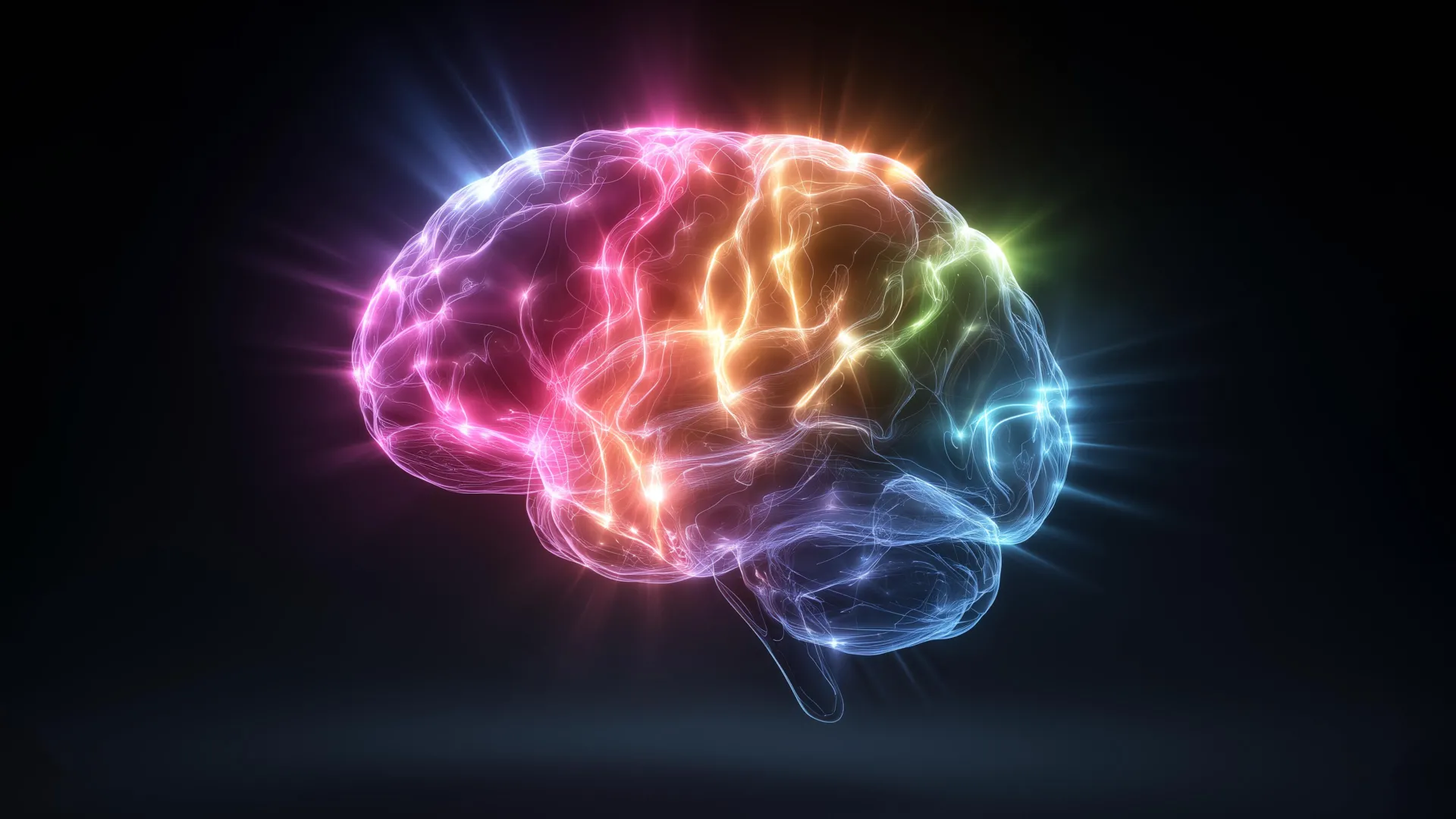
The Forward Path: A Momentum Shift in Consciousness Research
This study represents a significant Momentum Shift in the field of neuroscience. By integrating Natural Language Processing (NLP) models, researchers proved that artificial intelligence can analyze human consciousness with precision comparable to expert evaluators. We believe this represents the beginning of a strategic era where AI serves as a precision tool for decoding the human mind. This technological integration will likely lead to breakthroughs in memory preservation and psychiatric treatment, providing a clearer roadmap for the future of mental health in Pakistan and beyond.
- Internal Factors: Mind-wandering tendencies and sleep quality.
- External Factors: Societal shifts like the COVID-19 pandemic.
- Technological Tools: AI and NLP used for structural analysis.








