A calibrated analysis of Iran’s economic performance reveals a high degree of structural resilience that contradicts widespread reports of a pre-strike collapse. Comparative data between 2008 and 2025 indicates that Iran’s growth trajectory closely aligns with that of developed economies like Australia. This systemic stability suggests a baseline efficiency that has persisted despite significant geopolitical pressure.
Strategic Parity: Comparing Iran and Australia
The International Monetary Fund (IMF) provided the baseline figures for this assessment, utilizing constant 2010 US dollars. Furthermore, the calculations conducted by Steve Hanke of Johns Hopkins University set 2008 as the base year for a precise indexed comparison. Consequently, the findings show that Iran reached an indexed GDP per capita value of 115.73 by 2025. In contrast, Australia’s value stood at 115.51 during the same period.
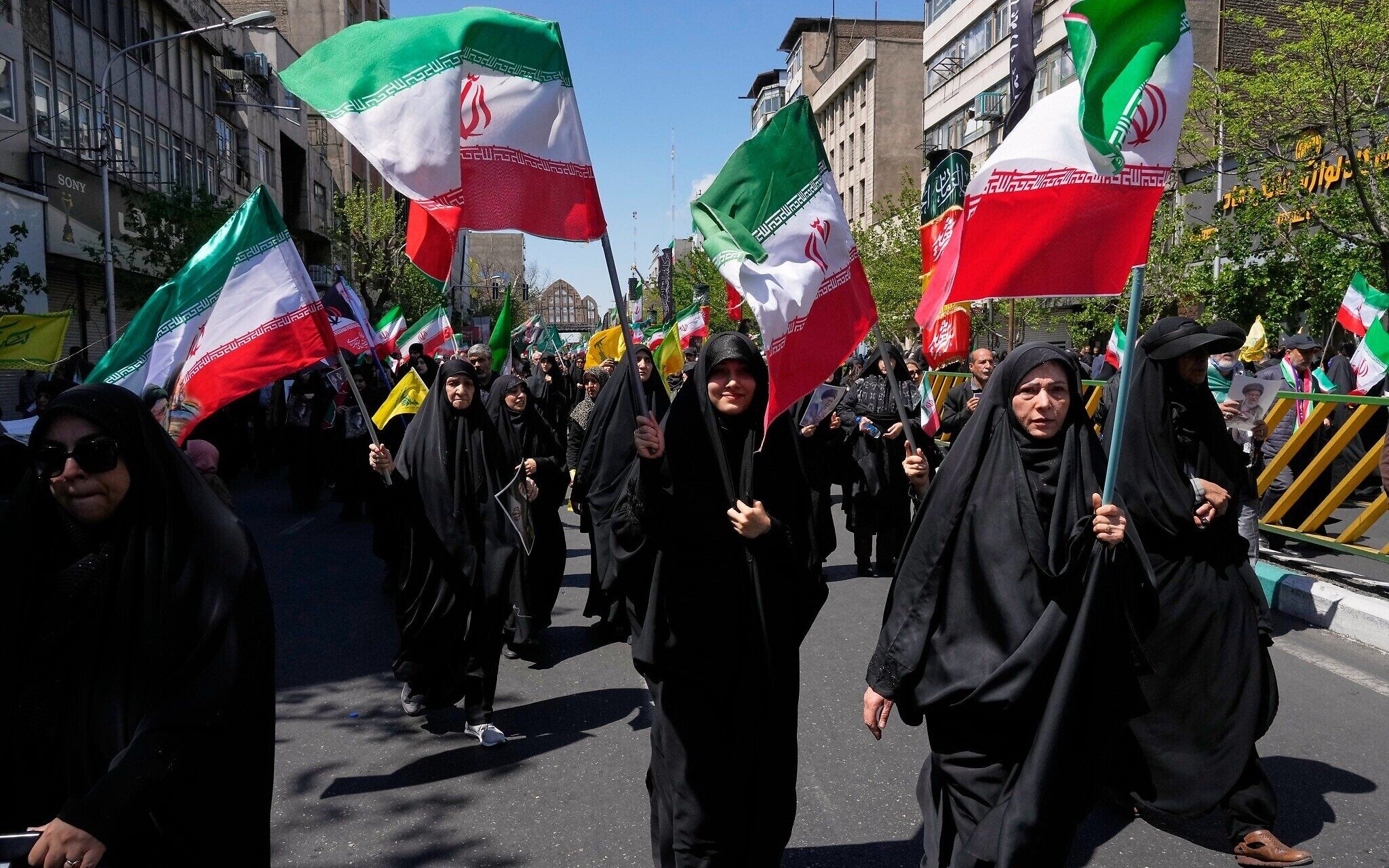
These figures demonstrate that the architectural foundation of the Iranian economy remained intact before the recent US-Israeli strikes. Such data challenges the prevailing narrative within the financial press. Professor Hanke emphasized this discrepancy by citing his “95% Rule,” which posits that the vast majority of financial reporting is either inaccurate or irrelevant to structural realities.

The Translation: Decoding Systemic Resilience
In “Next Gen” terms, this data means that Iran’s economy did not experience the sudden, catastrophic failure often described in technical jargon. Instead, the country managed to maintain its Iran’s economic performance at a level comparable to a stable, resource-rich nation like Australia. This parity indicates that the internal economic systems were calibrated to withstand external shocks more effectively than external observers predicted.
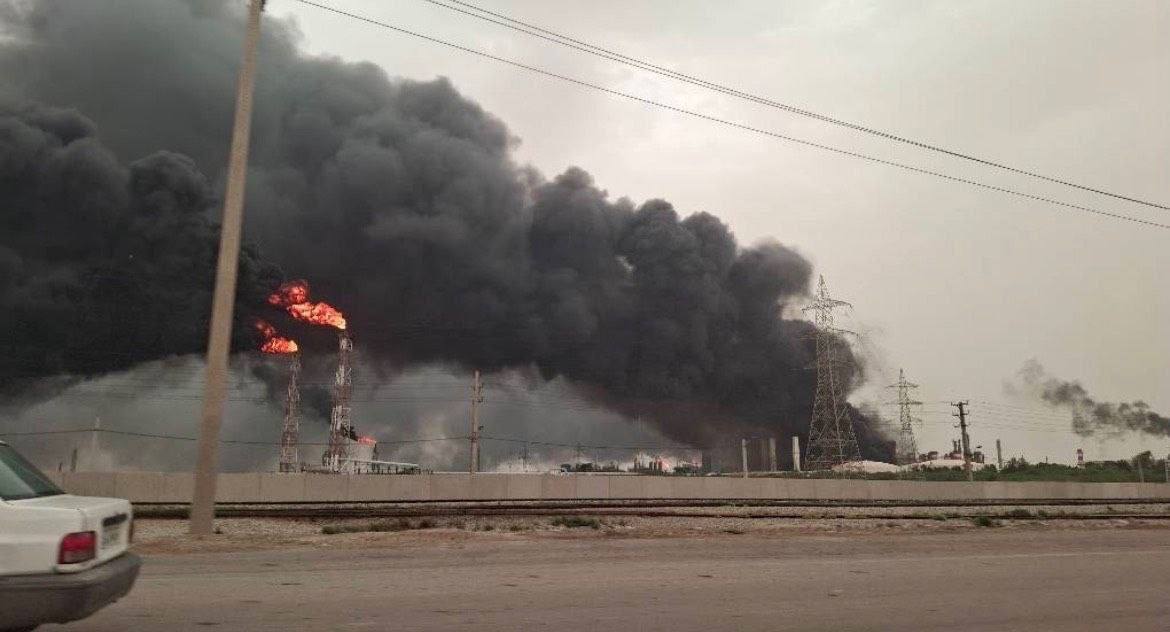
The Socio-Economic Impact: Daily Life and Stability
For the average citizen, this structural stability translates into the preservation of essential supply chains and public service continuity. While inflation and sanctions present challenges, the data shows that the national baseline did not crumble. Consequently, households and professionals have operated within a system that, while under stress, maintained a level of GDP growth consistent with global benchmarks. This prevents the total breakdown of social order often seen in collapsing states.

The Forward Path: Next Gen Perspective
We classify this development as a Stabilization Move. While the data shows impressive resilience and strategic alignment with developed growth rates, it represents a defense of the baseline rather than a breakthrough. For Pakistan, the lesson is clear: structural economic precision and data-backed policy can provide a vital buffer against external volatility. Monitoring these metrics allows us to separate narrative from reality in the pursuit of national advancement.