

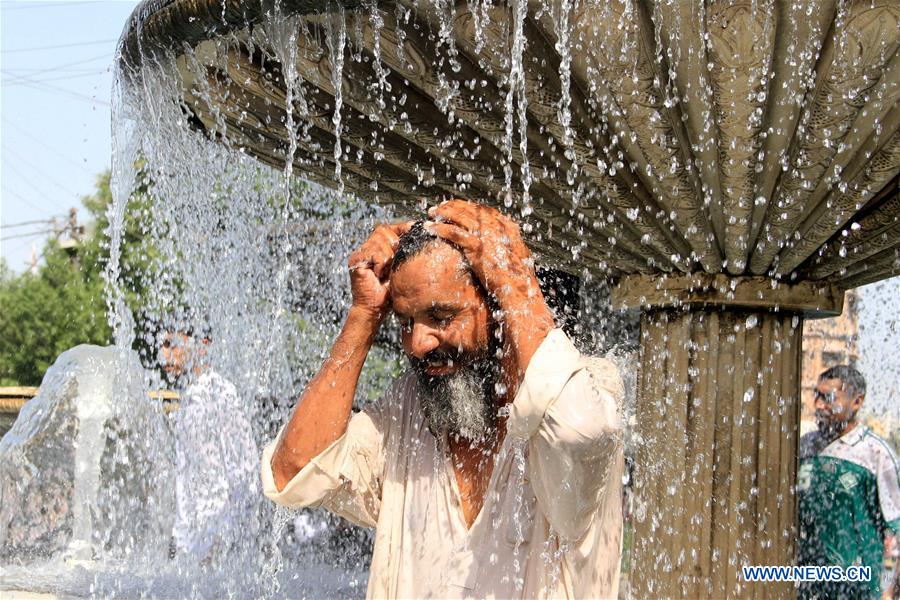
The Pakistan Meteorological Department (PMD) recently activated a Karachi heatwave alert as thermal conditions intensify across the Sindh province. This climatic baseline shift requires immediate strategic intervention to protect vulnerable populations and critical infrastructure. Consequently, the government has urged citizens to adopt precision safety protocols to mitigate the risks of high-humidity exposure.
Meteorological Analysis: A Calibrated Breakdown
Data from the Met Office indicates that temperatures in Karachi will likely escalate to 38°C on Saturday, surging to 40°C by Sunday. By Monday, the mercury may exceed 41°C. However, the true danger lies in the high humidity levels, which will peak at 70% on Sunday morning. These factors combine to create “feels-like” temperatures ranging between 49°C and 50°C.
Furthermore, central and upper Sindh remain in the grip of intense atmospheric pressure. Districts such as Jamshoro, Dadu, and Larkana are projected to experience temperatures 3°C to 5°C above the seasonal norm. Additionally, the PMD warns of dust storms and gusty winds that could jeopardize weak structures and solar energy installations in Sukkur and Jacobabad.
The Translation: Decoding the Heat Index
In “Next Gen” terms, the Karachi heatwave alert highlights the difference between ambient temperature and the “Heat Index.” While the thermometer reads 41°C, the high humidity prevents sweat from evaporating, making the biological impact feel like 50°C. Therefore, the body’s cooling mechanism becomes inefficient, necessitating external intervention through hydration and shade. We must view this alert as a structural challenge to our public health systems rather than a simple weather change.
Socio-Economic Impact: Productivity and Infrastructure
This thermal surge directly impacts the daily life of every Pakistani citizen. For professionals, the high heat index drastically reduces cognitive and physical productivity. For households, the warning regarding gusty winds is a strategic alert for solar panel owners; unsecured arrays are at high risk of structural failure. Moreover, the agricultural sector in upper Sindh must recalibrate livestock management to prevent significant economic losses due to heat stress.
The Forward Path: A Stabilization Move
We classify this development as a Stabilization Move. While the PMD’s early warning system is precise, it serves as a reactive measure to maintain safety rather than a momentum shift toward long-term urban cooling. To progress, Pakistan must transition from temporary alerts to permanent architectural and urban planning solutions that reduce the “Urban Heat Island” effect in Karachi. Immediate compliance with safety advisories is the baseline requirement for individual survival.
- Hydration Protocol: Increase water intake regardless of activity levels.
- Structural Audit: Secure solar panels and weak roofing against gusty winds.
- Vulnerability Management: Prioritize the cooling needs of children and the elderly.








