
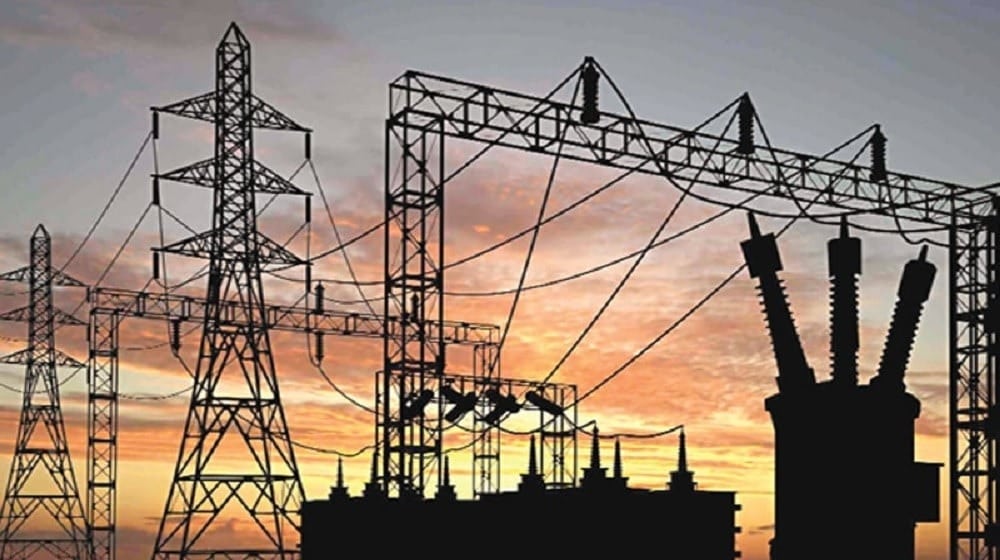
The Government of Sindh is calibrating a structural shift in the energy sector to ensure a cheaper electricity supply through a dedicated provincial transmission and distribution framework. Consequently, this initiative seeks to bypass federal grid inefficiencies, specifically targeting a reduction in line losses while accelerating industrial growth. Chief Minister Syed Murad Ali Shah recently confirmed these strategic objectives during a high-level briefing with Danish Ambassador Maja Derrous Mortensen.
The Provincial Blueprint for Energy Autonomy
Establishing a Sindh-run transmission company represents a precision-based solution to Pakistan’s energy bottleneck. Furthermore, the provincial government aims to optimize the delivery of a cheaper electricity supply by managing the infrastructure locally. This localized control allows for direct oversight of maintenance and efficiency protocols. Consequently, the project will minimize the fiscal burden on both domestic consumers and large-scale industrial units.

Harnessing the Wind Corridor for Cheaper Electricity Supply
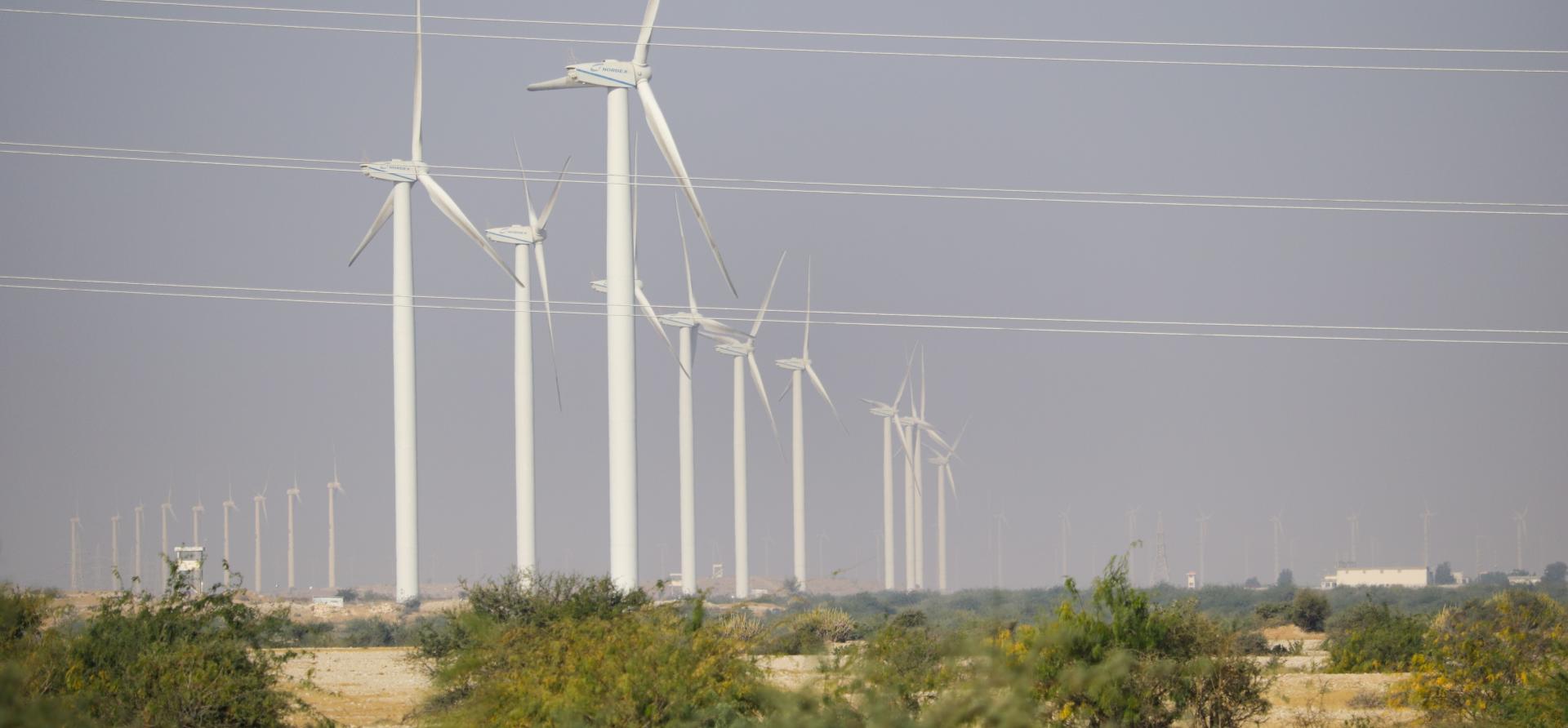
Sindh’s coastal belt serves as a primary catalyst for green energy production, particularly through massive wind power potential. The Chief Minister has formally invited Danish firms to integrate their specialized expertise into these sustainable projects. By focusing on renewable resources, the province can stabilize its baseline costs. Furthermore, this transition toward green infrastructure aligns with international environmental standards and attracts high-value foreign investment.
- Strategic Focus: Wind and solar integration in the Jhimpir corridor.
- Infrastructure Goal: Modernizing deep-sea trade via Keti Bandar port.
- Economic Metric: Significant reduction in cost-per-unit for industrial consumers.
The Translation: Clear Context
In technical terms, Sindh is moving toward “Grid Decentralization.” Currently, provincial power generation often gets lost in the complex federal NTDC network. By creating a Sindh-owned transmission company, the province effectively builds a “short-circuit” path from local wind farms directly to factories and homes. This structural precision removes layers of federal surcharges and technical inefficiencies that currently inflate consumer bills.

The Socio-Economic Impact
For the average Pakistani citizen, this development signals a shift toward fiscal stability. A cheaper electricity supply directly translates to lower operational costs for small businesses and reduced monthly expenditures for urban households. In rural areas, the development of Keti Bandar as a deep-sea port will catalyze job creation and regional connectivity. Consequently, this creates a ripple effect of economic resilience across the province’s coastal and industrial heartlands.

The Forward Path: Opinion
This development represents a definitive Momentum Shift. Sindh is no longer waiting for centralized solutions to the national energy crisis. Instead, it is adopting an architectural approach to power management. By leveraging Danish technical collaboration and focusing on provincial grid autonomy, Sindh is establishing a baseline for national energy reform. If successful, this model will likely serve as the catalyst for other provinces to seek similar energy independence.









