

The structural integrity of a national capital depends on the precise and impartial application of law. Currently, the Capital Development Authority has suspended all CDA operations Islamabad following a high-level strategic intervention. This directive serves as a necessary baseline correction after public scrutiny highlighted a perceived imbalance between the treatment of high-profile developments and informal settlements.
The Translation: Contextualizing the Enforcement Pause
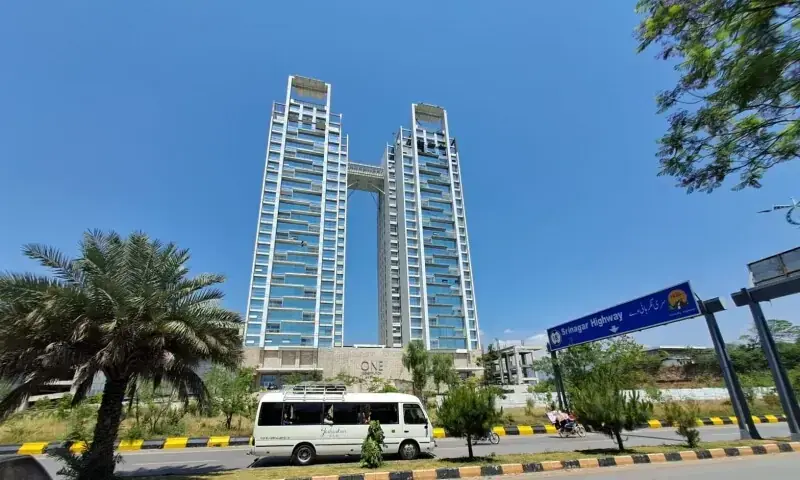
To understand this shift, one must analyze the catalyst: the One Constitution project controversy. While the CDA recently executed aggressive land retrieval drives in areas like Bari Imam and Saidpur, a sudden intervention halted similar actions at a high-rise on Constitution Avenue. This disparity created a “fairness deficit” in public perception. Consequently, the Ministry of Interior and the Prime Minister intervened to synchronize enforcement protocols. They have established a committee to audit ownership records and ensure that the law applies equally to influential property owners and low-income residents alike.
Calibrating CDA Operations Islamabad
Public criticism, amplified by digital platforms, functioned as a feedback loop that forced a policy recalibration. Authorities faced accusations of selective enforcement, where the “precision” of the law seemed to target the vulnerable while bypassing the powerful. Specifically, the missing or incomplete ownership records of certain high-profile apartments have weakened the CDA’s legal justification for ongoing slum clearances.
Structural Indicators and Review Committees
- One-Week Deadline: The Prime Minister’s committee must submit a report within seven days.
- Operational Freeze: All anti-encroachment drives remain suspended until the report is finalized.
- Ownership Audit: Investigators are scrutinizing records linked to influential individuals in the One Constitution building.
The Socio-Economic Impact
For the average Pakistani citizen, this development signals a rare moment where systemic equity is prioritized over bureaucratic momentum. For residents in informal settlements, the pause provides temporary stability and a potential path toward regularized housing. For the professional class, it highlights a critical need for transparent land records. If the government fails to demonstrate consistency, the trust in urban development authorities will continue to erode, potentially devaluing legitimate real estate investments across the capital.
The Forward Path: Momentum Shift or Stabilization?
This development represents a Stabilization Move. While the pause stops immediate friction, it does not yet provide a long-term roadmap for urban growth. The CDA must evolve from reactive enforcement to a proactive, data-driven framework. For Pakistan to achieve true systemic efficiency, the result of this committee’s report must be a uniform application of the law. Only then can CDA operations Islamabad serve as a catalyst for sustainable and equitable urban progress.








