Iranian military officials issued a stern Iran war warning this Saturday, stating that conflict with the United States and Israel is likely to resume. Despite a fragile ceasefire mediated by Pakistan, Tehran cites Washington’s lack of commitment to treaties as a catalyst for renewed hostilities. Consequently, the Iranian armed forces have reached a state of maximum readiness to counter any strategic “foolishness” from American forces.
Analyzing the Iran War Warning and Maritime Security
The Islamic Revolutionary Guard Corps (IRGC) recently introduced calibrated maritime measures to govern Iran’s 2,000-kilometer coastline. These “new rules” specifically target the Gulf and surrounding waters to strengthen national security and economic stability. Furthermore, this move follows the US-enforced naval blockade that has restricted Iranian maritime traffic since mid-April.

Mohammad Jafar Asadi, a high-ranking military official, argued that US media statements serve purely strategic purposes. According to Asadi, Washington aims to prevent a collapse in oil prices while distancing itself from the regional fallout. The IRGC’s expanded control over the Strait of Hormuz represents a precision maneuver to safeguard Iranian interests against external pressure.
The Translation: Calibrating the Conflict Logic
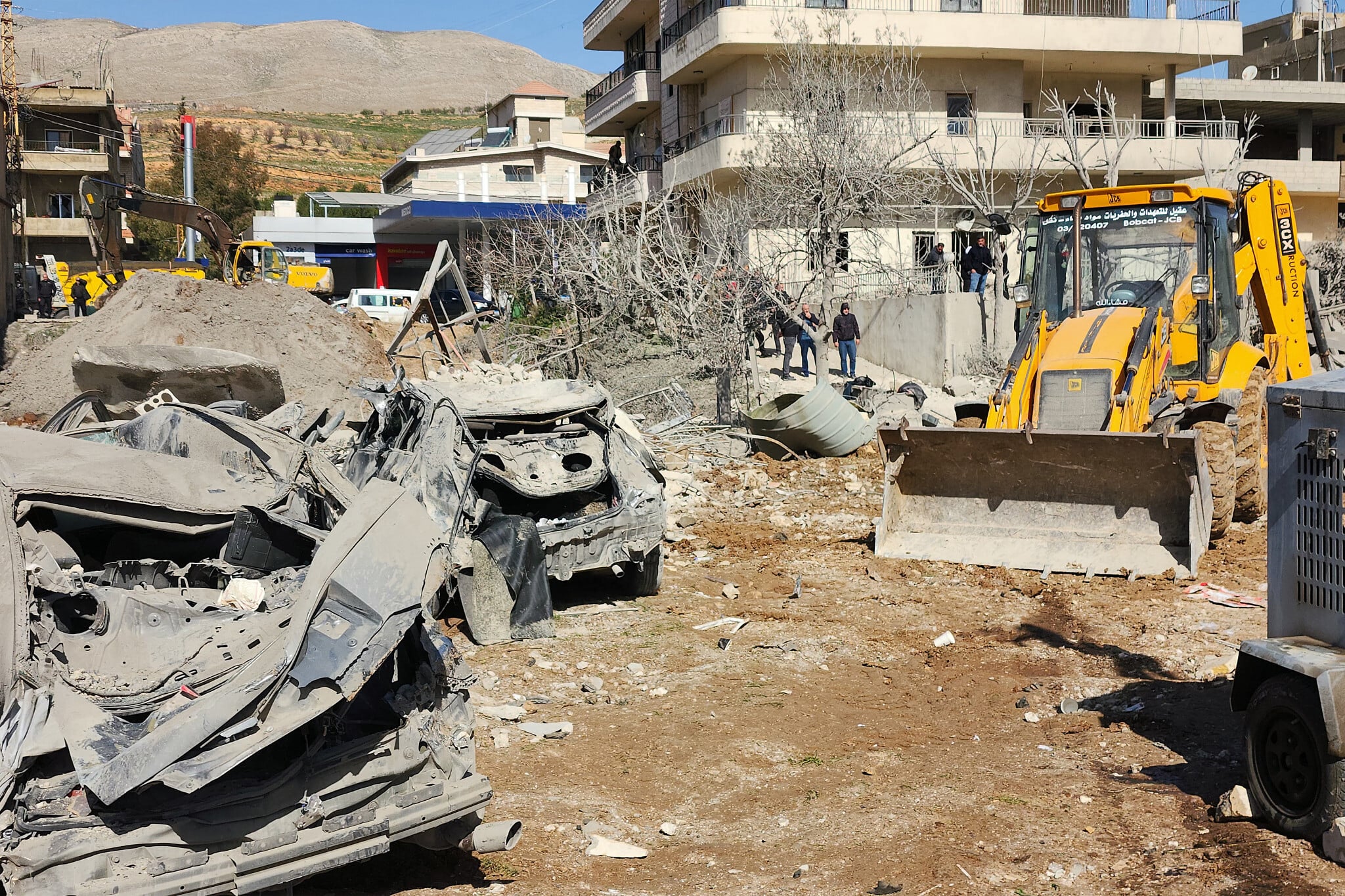
In “Next Gen” clarity, the Iran war warning is not just rhetoric; it is a calculated response to the failure of recent diplomatic talks in Islamabad. When Iranian officials mention a “lack of commitment,” they are highlighting the breakdown of the April ceasefire agreements. Iran is leveraging its geographic advantage in the Strait of Hormuz to force a baseline shift in negotiations, using maritime control as a primary tool of economic leverage.
The Socio-Economic Impact: Global Chains and Local Costs

How does this escalation change the daily life of a Pakistani citizen? Specifically, any disruption in the Strait of Hormuz directly affects global oil supply chains. For the average household in Pakistan, this translates to:
- Fuel Inflation: Higher transport costs for essential goods.
- Energy Scarcity: Potential delays in petroleum imports.
- Regional Volatility: Increased pressure on Pakistan’s diplomatic resources as a primary mediator.
The “Forward Path”: A Stabilization Move
From an architectural perspective, this development represents a Stabilization Move rather than a total momentum shift. While the rhetoric is aggressive, the primary objective is to re-establish a baseline for future negotiations. Iran is signaling that it will not accept a unilateral naval blockade without a structural response. For Pakistan, the challenge remains to facilitate a formal agreement that prevents this “foolishness” from evolving into a kinetic regional war.