
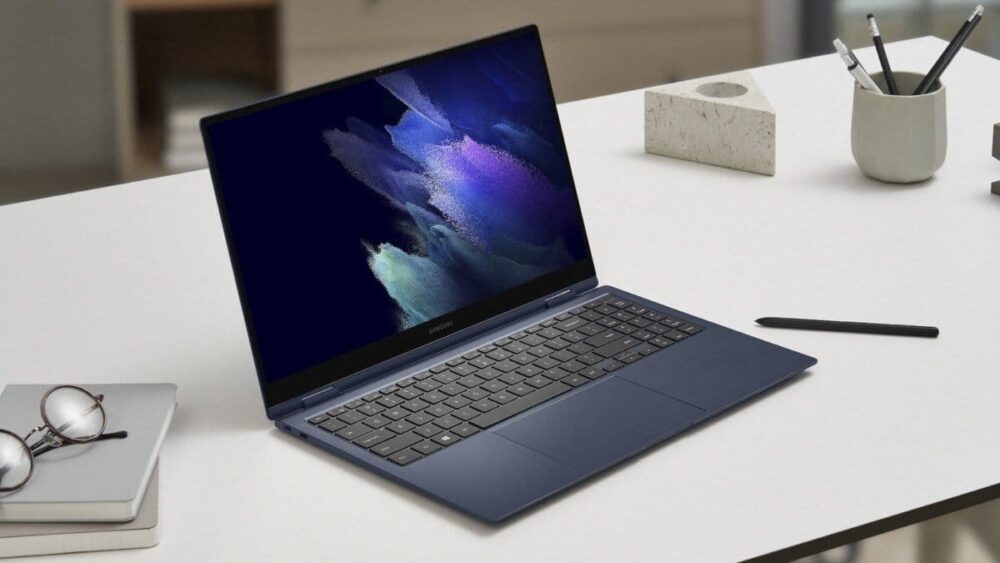
The convergence of mobile ecosystems and desktop hardware represents a calibrated shift in global computational efficiency. Samsung is reportedly engineering a new range of Samsung Android Laptops under the Galaxy Book brand, designed to operate on Android 17 with the One UI 9 interface. This strategic pivot signals a move toward a more unified digital architecture, blending the portability of mobile software with the robust performance of laptop hardware.
Strategic Architecture: Why Samsung Android Laptops Matter
According to emerging reports, Samsung is preparing a diverse lineup of Galaxy Book models. These devices will span entry-level, mid-range, and flagship segments, ensuring a broad market penetration. Furthermore, this development coincides with Google’s ongoing efforts to merge ChromeOS and Android into a singular platform, currently referred to as “Aluminum OS.”
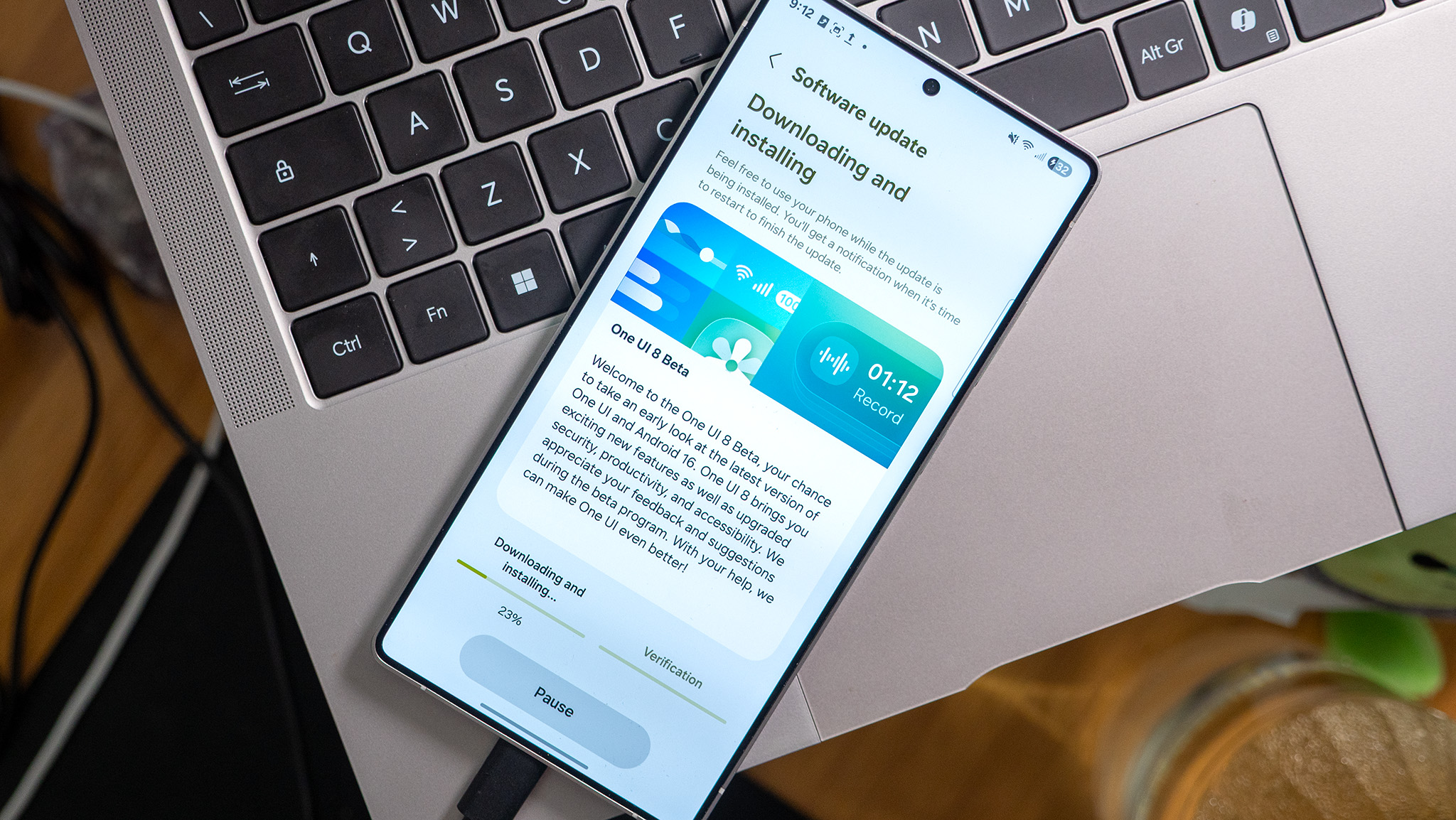
While the exact operating system framework remains under speculation, Samsung may utilize the future Aluminum OS or develop a bespoke, laptop-focused One UI layer for standard Android 17. Consequently, the flagship iterations are expected to feature high-precision engineering with sleek designs and integrated Galaxy AI capabilities across the entire product spectrum.
The Translation: Redefining Desktop Mobility
To understand this shift, we must look beyond the hardware. In technical terms, Samsung is attempting to bridge the “usability gap” between smartphones and PCs. One UI 9 for laptops aims to deliver a desktop-style experience that acts as a catalyst for productivity, effectively serving as a high-performance evolution of Samsung DeX. This means users can access mobile-native apps within a structured, multi-window environment that mimics traditional computing.

The Socio-Economic Impact for Pakistan
For the Pakistani landscape, the introduction of budget and mid-tier Samsung Android Laptops could be a baseline for digital inclusion. Currently, many students and professionals are limited by the high cost of traditional Windows or macOS systems. By leveraging the Android ecosystem—which is already the dominant platform in Pakistan—Samsung provides a more accessible entry point for high-level digital tasks. This development empowers local developers and freelancers to work within a familiar software environment while utilizing professional-grade hardware.
The Forward Path: A Momentum Shift
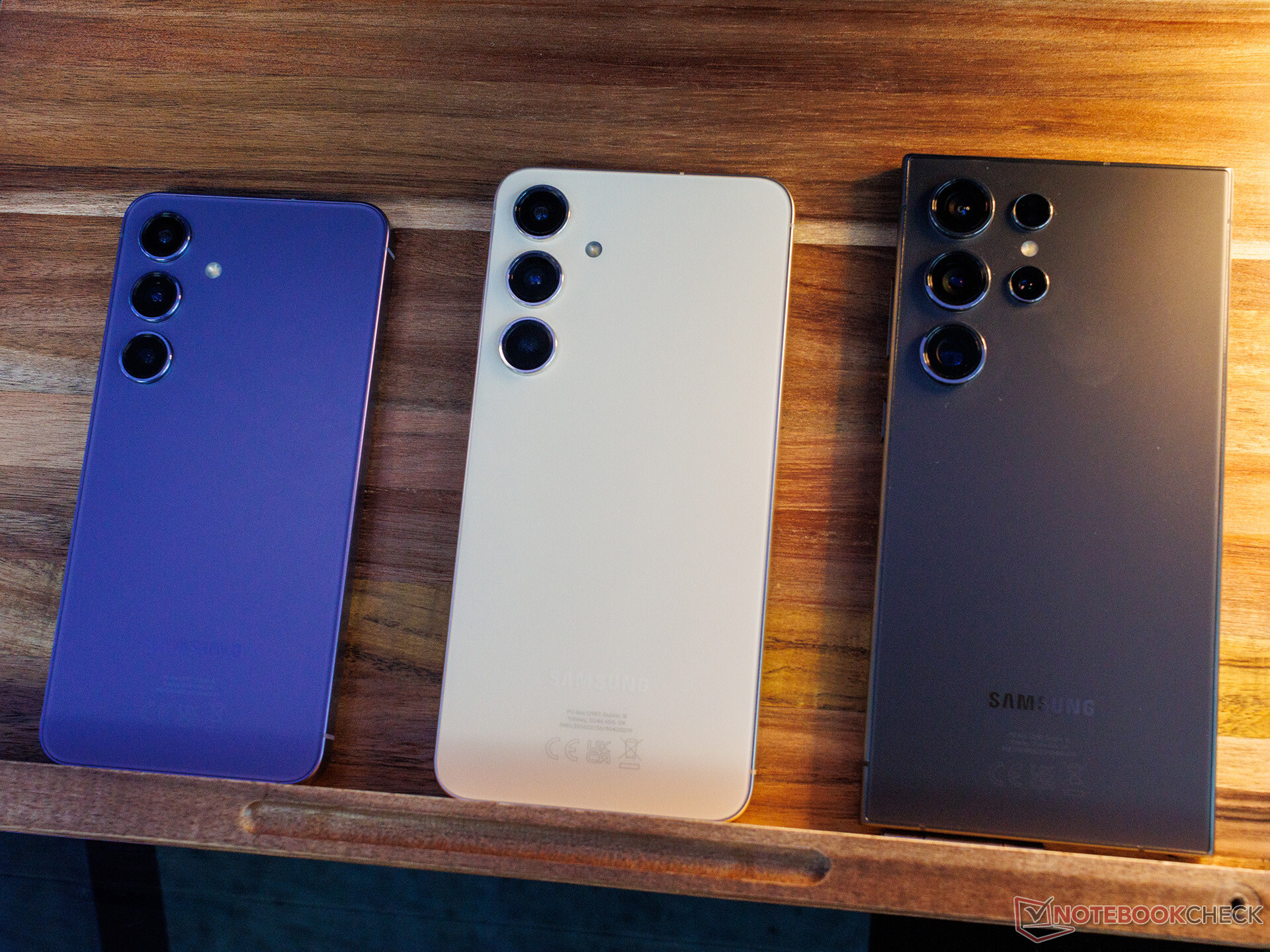
We categorize this development as a significant Momentum Shift. Samsung is not merely maintaining its product line; it is actively restructuring the definition of a laptop. By integrating Galaxy AI and a unified One UI experience, the company is creating a seamless synchronization between the smartphone in your pocket and the workstation on your desk. Reports suggest these new Galaxy Books could arrive before the end of the year, marking a critical milestone in systemic integration.









