
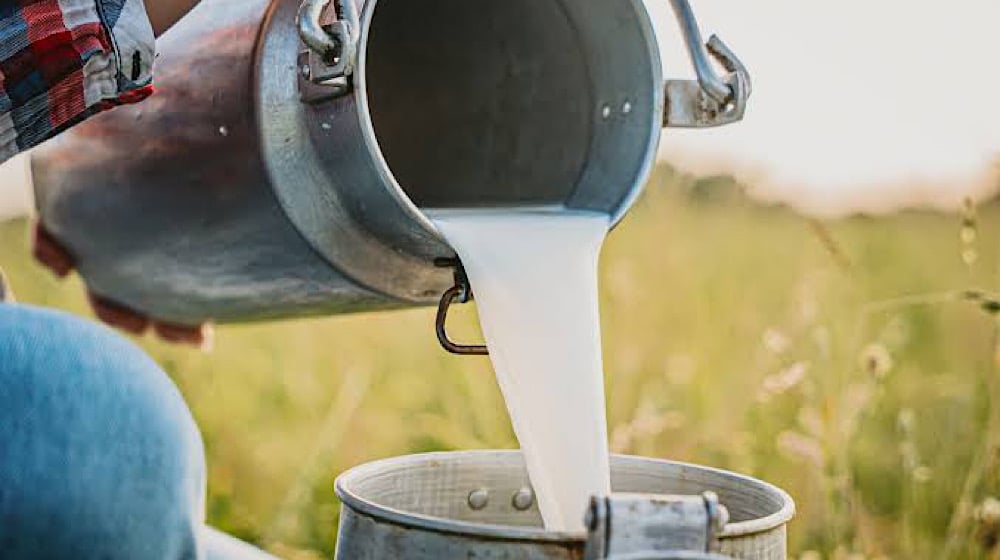
The structural integrity of Rawalpindi’s food supply chain faces a critical challenge as dairy sellers unilaterally recalibrated Dairy prices Rawalpindi residents pay. Without administrative clearance, vendors surged milk prices to Rs. 250 per kilogram. Simultaneously, yogurt prices reached Rs. 280 per kilogram, marking a sharp deviation from established baselines. This unauthorized move bypasses official price control mechanisms, creating a significant market imbalance.
The Structural Breakdown of Market Regulation
Milk sellers implemented price increases of Rs. 30 for milk and Rs. 40 for yogurt respectively. Consequently, the district administration has yet to deploy a calibrated response to these market fluctuations. Residents report that these hikes exacerbate existing supply shortages. Furthermore, the lack of visible enforcement by relevant departments has triggered widespread criticism regarding systemic oversight and consumer protection protocols.
The Translation: Decoding Market Autonomy
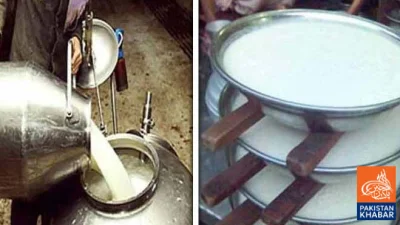
In a regulated economy, the state establishes a “price ceiling” to protect the consumer’s purchasing power. When sellers increase Dairy prices Rawalpindi without “formal approval,” they are effectively operating outside the legal framework of the Punjab Food Authority. This phenomenon occurs when the cost of production—such as fodder or transport—outpaces the official rate, leading sellers to take unilateral action to maintain their profit margins. However, doing so without a catalyst from the district administration results in market chaos and uneven pricing across different sectors.
The Socio-Economic Impact: Nutritional Security at Risk
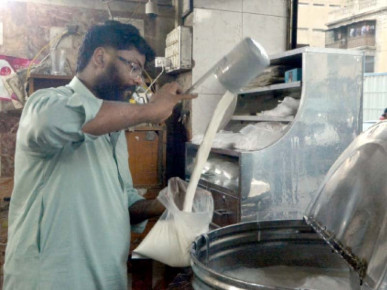
For the average Pakistani household, dairy is a baseline requirement for nutritional security, particularly for children and the elderly. This sudden surge in Dairy prices Rawalpindi forces families to reallocate limited financial resources, often at the expense of other essential services. In both urban and rural Rawalpindi, this inflation acts as a barrier to health, as milk becomes a luxury rather than a staple. Professionals and students alike face the cascading effect of increased costs in cafeterias and local eateries, further straining the disposable income of the middle class.
The Forward Path: A Stabilization Move
This development represents a Stabilization Move that has stalled. While sellers may be reacting to inflationary pressures, the unilateral nature of the hike indicates a breakdown in communication between the state and the supply chain. To restore equilibrium, the Punjab Food Authority must enforce a precision-driven audit of dairy production costs. Only through strategic price calibration can the city prevent further market volatility. Without immediate intervention, this shift risks becoming a permanent baseline for future inflation.








