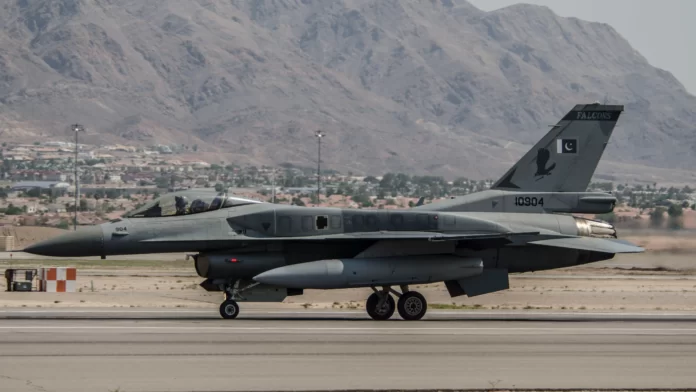
The structural integrity of Pakistan’s aerial defense receives a calibrated boost as the United States Air Force secures a $488 million F-16 radar support contract with Northrop Grumman. This strategic agreement ensures long-term engineering and technical maintenance for the critical sensory systems of the F-16 fleet. Consequently, Pakistan remains a primary beneficiary within this multi-national framework, maintaining its position as a key regional partner in aeronautical stability.
Structural Continuity: The $488 Million F-16 Radar Support Initiative
Under the formal award notice, Northrop Grumman will provide comprehensive support for the APG-66 and APG-68 radar systems. These precision instruments serve as the primary sensory architecture for Pakistan’s fighter jets. Furthermore, the specialized engineering work, headquartered in Maryland, is scheduled to operate through March 31, 2036. This baseline ensures that the radar hardware remains effective against evolving regional threats.
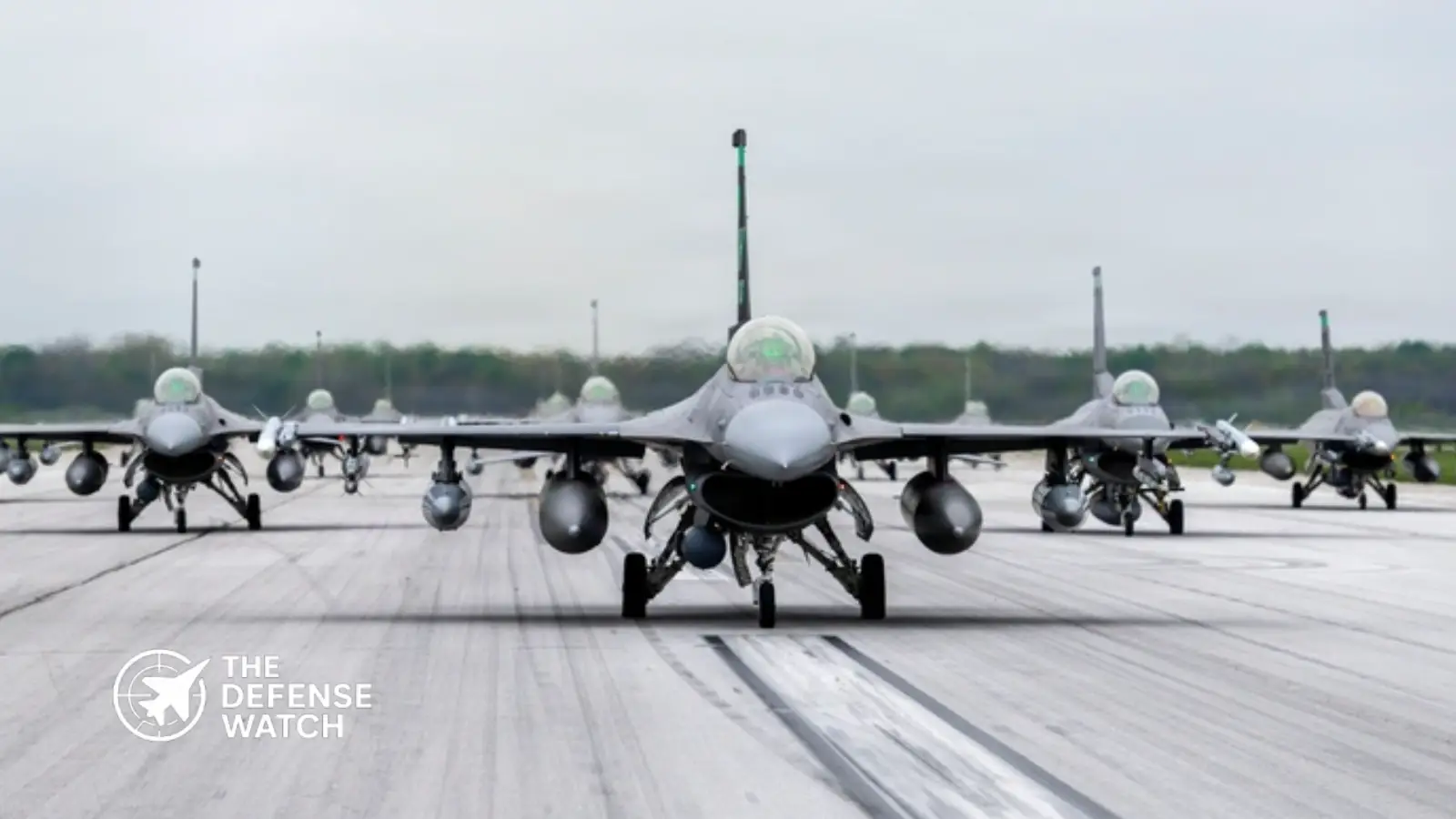
The deal functions under the US Foreign Military Sales program, aligning Pakistan with several allied air forces. Strategic cooperation allows for a shared logistical ecosystem, which ultimately reduces the cost of maintaining high-tech components. Pakistan continues to rely on these aircraft as a core pillar of its air power capability, making this contract a catalyst for operational readiness.
The Translation: Deciphering Technical Defense Layers
In “Next Gen” terms, the F-16 radar support contract acts as a long-term software and hardware insurance policy for the jet’s “eyes.” The APG-66 and APG-68 systems are not merely cameras; they are complex sensors that detect, track, and engage targets at long ranges. Without this technical support, the aircraft would lose its precision edge in modern combat scenarios. This agreement simplifies a complex supply chain, ensuring that Pakistani technicians have direct access to Northrop Grumman’s engineering expertise for another decade.

The Socio-Economic Impact: Security as an Economic Baseline
National defense modernization directly influences the daily lives of Pakistani citizens by providing a stable security environment necessary for economic growth. A well-maintained F-16 fleet acts as a deterrent, preventing regional instability that often disrupts trade and foreign investment. Additionally, the $686 million upgrade package announced in late 2025 introduces Link-16 tactical data systems and advanced cryptographic equipment. These upgrades require specialized training for local personnel, fostering a highly skilled technical workforce within the aerospace sector.
The Forward Path: A Momentum Shift for National Defense
This development represents a significant Momentum Shift in Pakistan’s defense trajectory. By extending the service life of the F-16 fleet through 2040, the state avoids the immediate, astronomical costs of procuring an entirely new fifth-generation platform. Instead, Pakistan is strategically modernizing its existing assets with precision. This calibrated approach ensures that the nation’s air force remains interoperable with global partner forces, particularly for critical counterterrorism operations and joint regional security missions.