

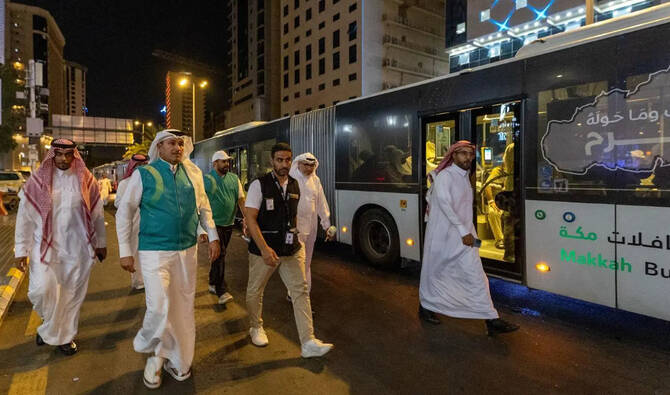
Precision logistics are the baseline for a successful pilgrimage experience in the modern era. Consequently, the Pakistan Hajj Mission has released updated Hajj shuttle guidelines for citizens currently residing in the Al-Aziziyah district of Makkah. These protocols serve as a structural framework to manage human flow and ensure that every worshipper reaches the Masjid al-Haram with precision and safety.
Calibrating Transit: The New Hajj Shuttle Guidelines
System efficiency requires strict adherence to timing. Therefore, the Hajj Mission confirms that the dedicated shuttle service will suspend operations exactly 30 minutes before every Azan. This calibrated pause allows authorities to manage traffic density and prevent hazardous overcrowding near the Haram premises. Consequently, pilgrims must arrive at the transport hubs well in advance to secure their transit.
Furthermore, the Mission recommends that pilgrims leave their residential buildings at least one hour before the call to prayer. This proactive strategy ensures that worshippers can find placement in the prayer rows without the stress of last-minute congestion. By maintaining this buffer, the community fosters a more disciplined and peaceful environment for spiritual engagement.
Strategic Departure Schedule
To facilitate predictable movement, the Pakistan Hajj Mission has established a baseline timetable for departures from residential buildings. Pilgrims should align their movements with these calibrated times:
- Fajr: 03:30 AM
- Dhuhr: 11:18 AM
- Asr: 02:40 PM
- Maghrib: 05:45 PM
- Isha: 07:15 PM
Moreover, the Mission urges pilgrims to avoid an immediate return to bus stands after prayer. Instead, staying within the Haram for an additional 30 minutes will catalyze a smoother return flow, specifically benefiting the elderly and those with health vulnerabilities.
The Situation Room: Analysis
The Translation
These Hajj shuttle guidelines represent a transition from reactive crowd control to predictive logistics management. By enforcing a 30-minute pre-prayer “blackout” period, the authorities are prioritizing pedestrian safety over vehicle access. Essentially, the system is designed to “clear the lanes” so that the physical space around the Masjid al-Haram can safely accommodate the surge of worshippers on foot.
The Socio-Economic Impact
For the average Pakistani household, these measures reduce the “fatigue cost” of the pilgrimage. Improved scheduling directly protects the health of elderly family members by preventing them from being caught in high-pressure crowds at shuttle points. Additionally, this structural discipline allows students and professionals participating in Hajj to manage their time and energy with greater efficiency, maximizing the spiritual return on their investment.
The Forward Path
This development is a Momentum Shift. Moving toward a strictly timed, scheduled-based transport system indicates a move toward “Smart Hajj” management. While the restrictions may feel rigid, they are the catalyst for a safer, more dignified experience. This precision-driven approach should serve as a baseline for future Pakistani public transport initiatives during large-scale national events.








