Strategic Mobility: The Punjab Free Transport Proposal
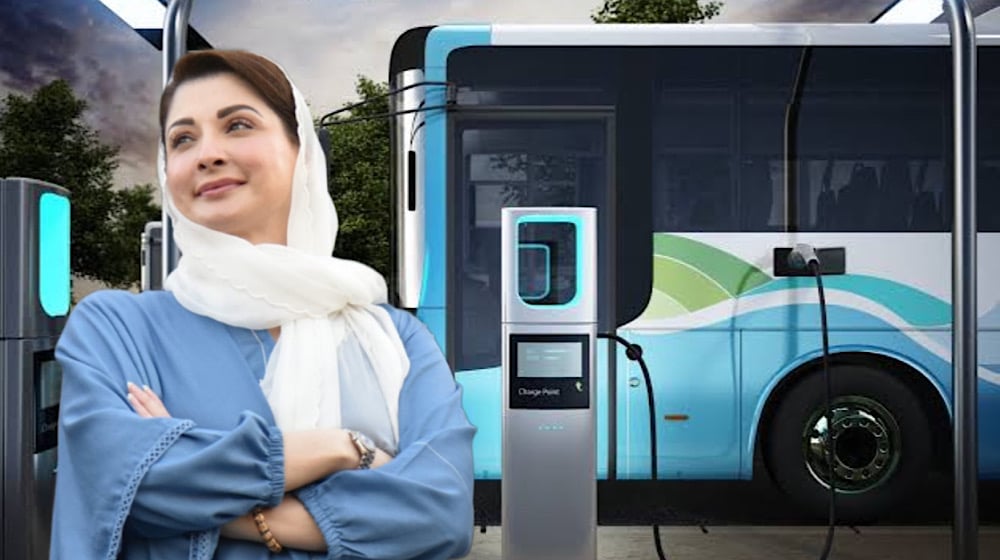
The Punjab administration is currently calibrating a strategic extension of the Punjab Free Transport initiative for an additional 30 days. Consequently, this move aims to stabilize the household budgets of millions as global energy prices fluctuate. While the Transport Department has completed the necessary technical frameworks, the final execution depends on a high-level meeting chaired by Chief Minister Maryam Nawaz this Monday. Furthermore, the proposal encompasses the Orange Line Metro Train, Metro Bus service, and the fleet of Speedo and Electric buses.
Quantifying the Impact: By the Numbers
The operational scale of this transport subsidy is significant. Data indicates that approximately 290,000 passengers utilize the Orange Line daily. Meanwhile, the Metro Bus service facilitates over 100,000 commuters. Collectively, the Punjab Free Transport network serves nearly 800,000 citizens across the province every single day. This systemic support provides a necessary buffer for the labor force and student population during periods of petroleum price volatility.
The Translation
This initiative represents more than just “free rides”; it is a calibrated fiscal intervention designed to prevent an inflationary spiral in commuting costs. By subsidizing the baseline cost of movement, the government ensures that economic activity remains fluid despite rising fuel prices. The Transport Department’s recommendation to phase out the subsidy gradually suggests a transition back to market-rate operations once the energy baseline stabilizes.
The Socio-Economic Impact
For the average Pakistani citizen, this extension acts as a direct cash injection into their monthly savings. Students and low-wage professionals in urban centers like Lahore, Multan, and Rawalpindi benefit most from this structural relief. By removing the daily transport cost, the provincial government effectively increases the purchasing power of nearly a million households. This creates a stabilizing effect on the local economy, allowing families to allocate funds toward other essentials like healthcare and nutrition.
The Forward Path
This development constitutes a Momentum Shift in how the province manages social safety nets. While subsidies are often temporary, the integration of Electric Buses into this free-tier model highlights a shift toward sustainable urban mobility. However, the true test of this system will be its transition phase. We expect the administration to pivot toward a targeted subsidy model once the “Free Punjab Free Transport” period concludes to ensure long-term fiscal viability.