
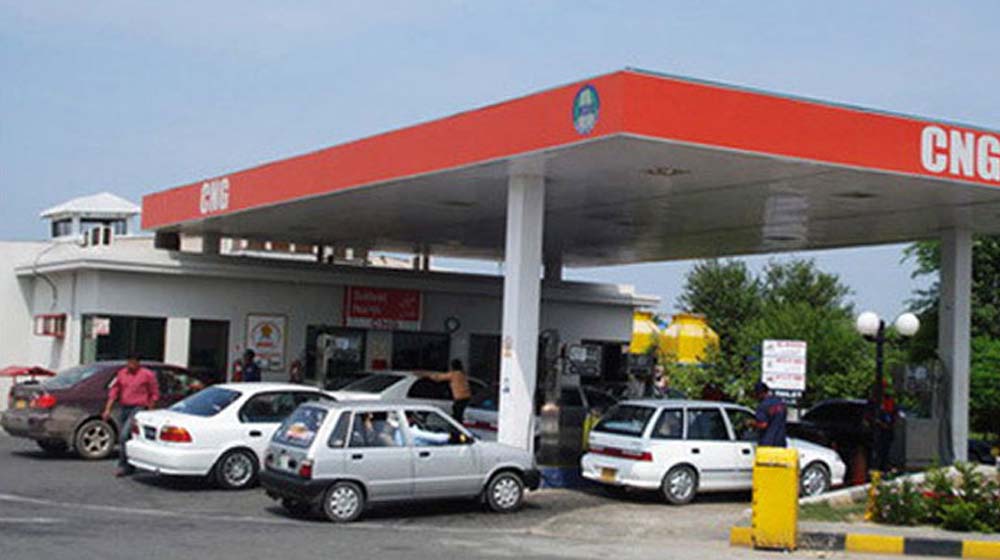
A nation’s energy infrastructure serves as the fundamental baseline for its economic mobility and industrial output. Currently, the structural integrity of Pakistan’s energy grid faces a strategic recalibration as the federal government halts the KP gas supply for CNG stations. This decision highlights a growing rift between provincial energy demands and federal resource management during a period of acute national shortages.
Provincial Finance Adviser Muzammil Aslam recently initiated high-level communication with Federal Petroleum Minister Ali Pervaiz Malik to address the escalating energy deficit. Despite highlighting the severe difficulties faced by the public in Khyber Pakhtunkhwa, the federal response remains firm. Minister Malik stated that the KP gas supply for the CNG sector could only be reconsidered after the successful calibration and arrival of imported LNG shipments.
The Translation: Decoding the KP Gas Supply Gridlock
The “gas shortage” cited by federal authorities is not a temporary fluctuation but a structural deficit in domestic production. By prioritizing household and industrial sectors over CNG stations, the government is executing a precision-based rationing of finite resources. Consequently, the refusal to restore the KP gas supply acts as a stop-gap measure to prevent a total grid collapse until expensive imported gas fills the void.

Socio-Economic Impact: Mobility and Household Volatility
For the average citizen in Khyber Pakhtunkhwa, this refusal serves as a catalyst for increased daily transport costs. Commuters who rely on affordable CNG now face the economic volatility of the petrol market. Furthermore, transport-related businesses are witnessing a contraction in profit margins, which ultimately drives up the prices of essential goods transported via commercial vehicles across the province.
The Forward Path: A Stabilization Move
We categorize this development as a Stabilization Move rather than a growth-oriented strategy. While it provides immediate relief to the national grid by diverting resources, it lacks the long-term vision required for provincial energy autonomy. To achieve a “Momentum Shift,” Pakistan must transition from reactive rationing to proactive infrastructure diversification and renewable integration.
- Current Status: Supply suspended for CNG stations in KP.
- Federal Justification: Critical national gas shortage and prioritization.
- Potential Resolution: Conditional upon the import of Liquified Natural Gas (LNG).








