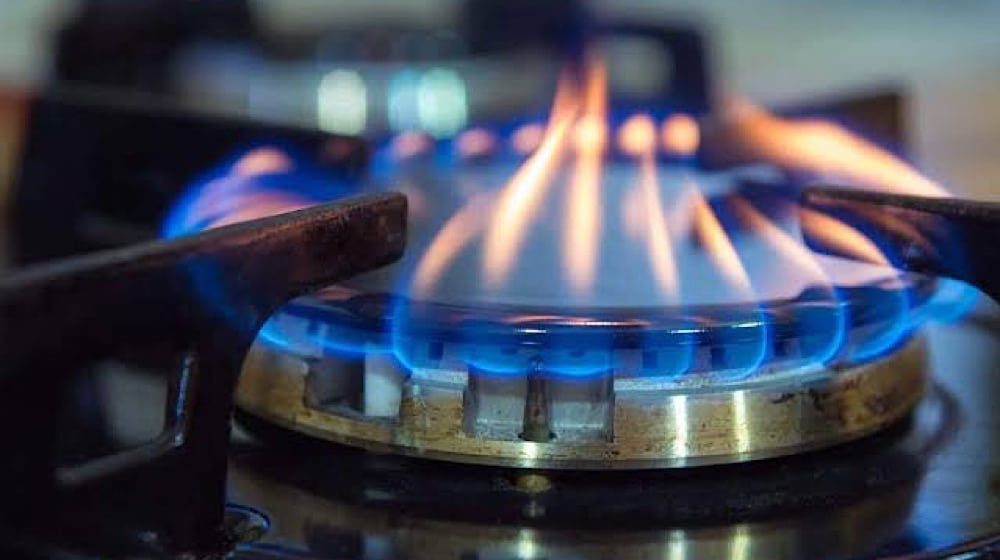
National energy infrastructure requires high-precision management to maintain system equilibrium. Consequently, the Government of Pakistan has officially halted the issuance of new gas connections across the country. This strategic decision follows a significant disruption in the Regasified Liquefied Natural Gas (RLNG) supply chain. Specifically, Sui Northern Gas Pipelines Limited (SNGPL) confirmed that even urgent applications with paid vouchers are now deferred indefinitely until the supply baseline stabilizes.
The Translation: Deciphering the RLNG Supply Catalyst
In technical terms, RLNG serves as the primary fuel source for domestic and industrial grids during peak demand. A disruption in this supply creates a structural deficit, meaning the system cannot support additional load without risking a total pressure collapse. Therefore, the suspension acts as a calibrated emergency brake. By halting new gas connections, authorities aim to protect the existing flow for current consumers who already face limited supply hours.

The Socio-Economic Impact: Daily Life and Urban Development
This development directly impacts the economic mobility of thousands of Pakistani households. Families who recently constructed homes are now forced to rely on expensive, less safe alternatives such as LPG cylinders or electric heaters. Furthermore, the housing sector faces a momentum shift as new developments cannot secure essential utility infrastructure. This bottleneck increases the cost of living for urban residents and complicates long-term financial planning for middle-class families.

Global Energy Context and Strategic Policy
Energy volatility is not unique to Pakistan; however, our reliance on imported RLNG makes the system vulnerable to external shocks. As seen in global markets, precision in energy allocation is becoming the new standard for national security.
- Structural Deficit: The gap between current production and national demand.
- RLNG Dependency: Our vulnerability to international supply chain disruptions.
- Policy Lag: The time required to resume connections once supply improves.

The Forward Path: A Stabilization Move
Our analysis suggests that the decision to pause new gas connections represents a necessary Stabilization Move. While it creates immediate friction for the public, it prevents a catastrophic failure of the national gas grid. However, for Pakistan to achieve a momentum shift, we must move beyond reactive suspensions toward a calibrated, diversified energy strategy that includes indigenous resources and renewable integration.