The strategic deployment of sustainable transit systems faces a critical security baseline challenge in Rawalpindi. On Tuesday, an unidentified assailant targeted a Green Electric Bus near Charing Cross, shattering a window and endangering over 100 passengers. While no physical injuries occurred, this incident highlights a significant friction between modern infrastructure and public safety protocols.
Analyzing the Tactical Security Breach in Rawalpindi
Route officer Rhiraz Ahmad filed a formal FIR following the incident on Peshawar Road. The vehicle, operating on the Marir Chowk to Motorway Moor corridor, carried a high-density load of citizens, including women and children. Consequently, the sudden impact caused immediate panic throughout the cabin.
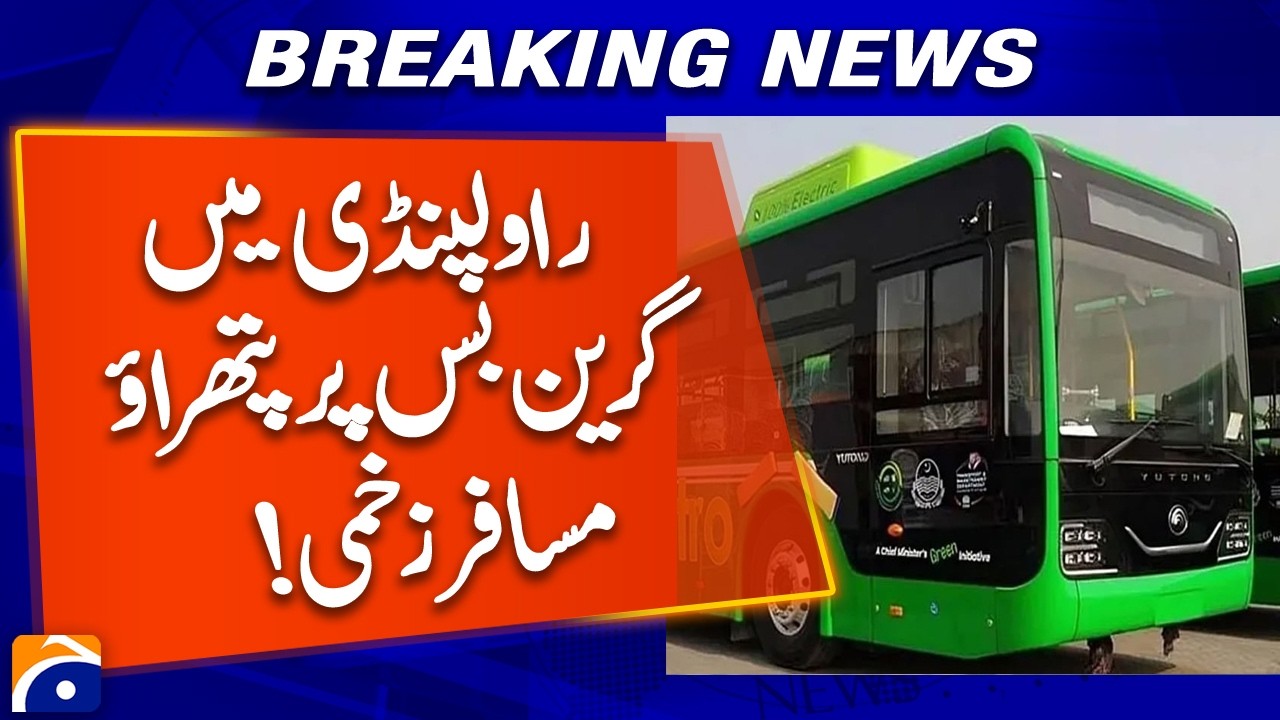
The perpetrator utilized stones to target the vehicle’s structural integrity. Specifically, the attack damaged the window glass on the conductor’s side. Although the suspect fled the scene, the Rawalpindi police have initiated a calibrated search operation to secure the transit corridor. This event necessitates a re-evaluation of the security perimeter surrounding high-value public assets.
- Location: Charing Cross, Peshawar Road, Rawalpindi
- Asset Targeted: Green Electric Bus (Sustainable Transit Fleet)
- Human Impact: 100+ passengers exposed to risk; zero physical injuries
- Status: FIR registered; suspect at large
The Situation Room: Strategic Analysis
The Translation (Clear Context)
Vandalism of the Green Electric Bus network is not merely a localized crime; it is a disruption of systemic efficiency. These vehicles represent a shift toward high-precision, low-emission urban mobility. When an individual targets these assets, they are essentially attacking the precision-calibrated timeline of national modernization.

The Socio-Economic Impact
How does this incident affect the daily life of a Pakistani citizen? It directly threatens the reliability of low-cost transport for students and professionals. Frequent repairs to the Green Electric Bus fleet increase maintenance baselines, which can lead to service gaps and operational delays. For households in Rawalpindi, a secure transit system is the catalyst for economic participation; insecurity creates a barrier to urban mobility.
The Forward Path (Opinion)
This development represents a Stabilization Move. While the deployment of the electric fleet was a momentum shift for Pakistan’s environmental goals, the infrastructure now requires defensive stabilization. We must integrate digital surveillance and rapid-response units along these routes to ensure that progress remains uninterrupted by individual acts of regression.