

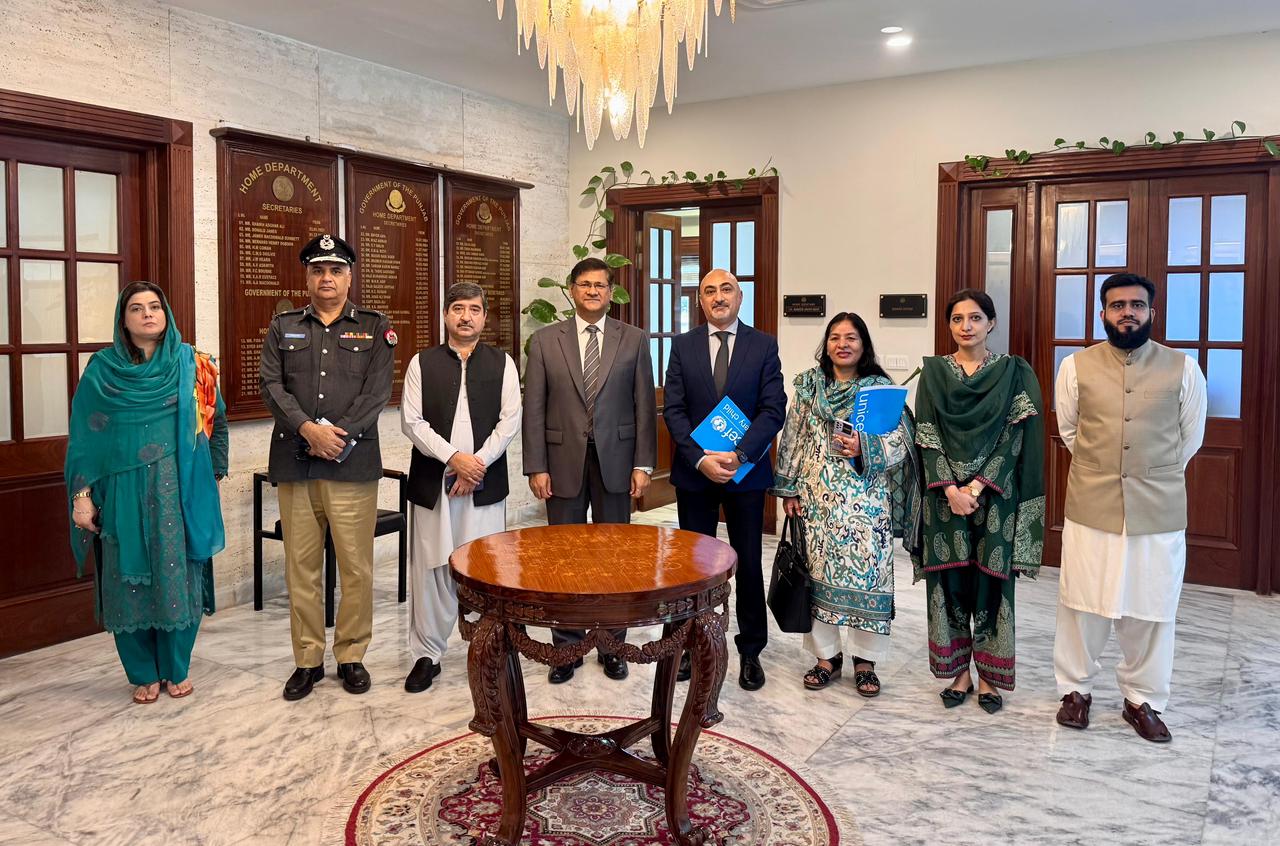
Lahore is officially transitioning into the region’s first Child-Friendly City as UNICEF prepares to issue a formal certification recognizing the metropolis as a safe urban ecosystem. This strategic milestone follows a high-level meeting where Punjab Home Secretary Dr. Ahmad Javed Qazi and UNICEF Chief Field Officer Ramez Behbudov validated the city’s progress. Consequently, this designation marks a structural shift in how Pakistan integrates child welfare into its urban governance framework.
Architectural Safety: Defining the Child-Friendly City
The provincial government has calibrated its focus toward a comprehensive child protection policy, making Punjab the first province to adopt such a legislative baseline. Currently, 19 new child protection units are nearing completion, which will expand the provincial network to 36 total facilities. Furthermore, these units provide precise interventions, including healthcare, psychological support, and legal assistance through the Child Protection and Welfare Bureau (CPWB).
A zero-tolerance policy against exploitation is now the operational standard. The Home Department is actively deploying awareness campaigns like “Good Touch, Bad Touch” to empower the youth. Additionally, the “Zewar-e-Taleem” program continues to act as a catalyst for increasing school enrollment among girls, ensuring that education remains a pillar of city development.
The Situation Room Analysis
The Translation (Clear Context)
The “Child-Friendly City” designation is a technical validation of urban safety standards. It signifies that Lahore has met specific UNICEF benchmarks for infrastructure, protective services, and legal frameworks. This is not merely a title; it is a systems-level commitment to ensuring that every municipal decision—from park design to police training—prioritizes the safety and development of minors.
The Socio-Economic Impact
For the average Pakistani citizen, this development translates to enhanced security and social stability. Households benefit from a more robust “safety net” where state institutions like the CPWB offer active legal and psychological support. Improved school enrollment through programs like Zewar-e-Taleem creates a more skilled future workforce, directly impacting the long-term economic productivity of the province.
The Forward Path (Opinion)
This development represents a clear Momentum Shift. By aligning local governance with international UNICEF standards, Lahore is setting a precedent for other South Asian cities. While the current measures are exemplary, the long-term success depends on the precision of the implementation within the 36 child protection units. This move transitions Lahore from a traditional urban center into a modernized, welfare-oriented metropolis.








