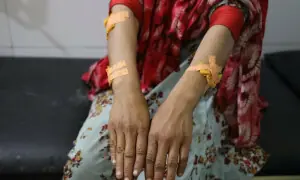
Health authorities have recently confirmed a baseline of 255 reported cases of Leishmaniasis in Waziristan, specifically within the Lower South region. This surge signals a critical need for calibrated medical interventions in Pakistan’s remote geographical frontiers. District Health Officer Dr. Adnan confirmed that the health department is executing a strategic monitoring protocol to stabilize the situation and deploy essential treatment facilities to the most affected rural sectors.
Strategic Resource Deployment and Infrastructure
The District Health Office has localized a supply of essential medicines, including precision-grade Glucantime injections, at the District Headquarters Hospital in Wana. Consequently, the medical team is prioritizing rapid diagnostic cycles to ensure timely treatment for patients in Birmal tehsil. Furthermore, the health department is initiating awareness campaigns to educate residents on vector-control measures, which serve as a catalyst for long-term disease prevention.
The Translation: Understanding the Logic
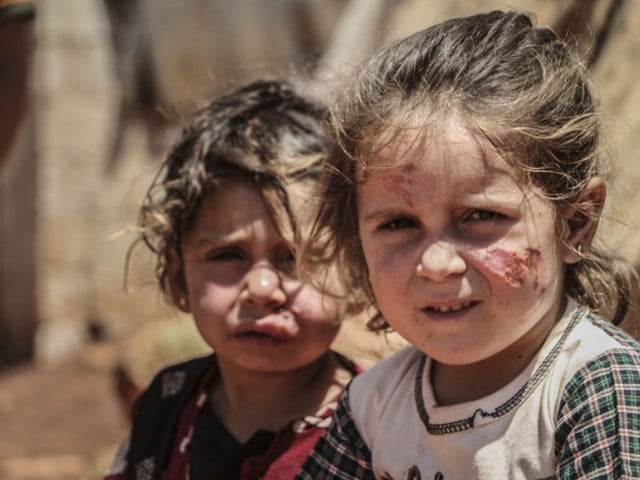
Leishmaniasis is a parasitic disease spread by the bite of infected sandflies. In the context of “Next Gen” clarity, this outbreak represents a stress test for rural healthcare logistics. The “logic” behind the current focus on Glucantime injections is simple: it is the primary pharmacological defense against the cutaneous form of the disease. By stabilizing the supply chain in Wana, authorities aim to prevent the further spread of the parasite through the local population.
Socio-Economic Impact: Effects on the Pakistani Citizen
The impact of Leishmaniasis in Waziristan extends beyond biological health; it disrupts the socio-economic equilibrium of local families. Specifically, residents in Azam Warsak and Shaheen Panga report that the disease heavily affects children, leading to school absenteeism and increased financial strain on households. In rural areas where healthcare access remains structuraly limited, the physical distance to hospitals creates a barrier to productivity for professionals and laborers alike.
The Forward Path: Innovator’s Perspective
This development represents a Stabilization Move. While the provision of injections is a necessary immediate response, the long-term progress of the region requires a shift toward architectural health solutions. Specifically, the government must transition from reactive treatment to proactive environmental management. Establishing permanent medical outposts in Birmal will reduce the “distance-to-care” ratio, ensuring that future outbreaks are neutralized at the baseline level before they escalate into regional crises.