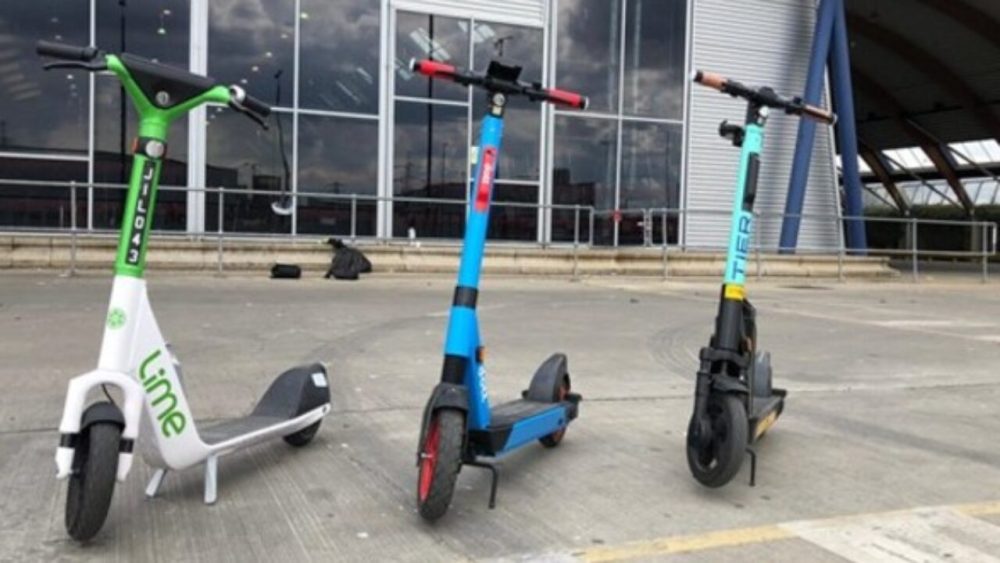
Urban mobility systems require structural discipline to sustain rapid growth and ensure public safety. Consequently, Dubai authorities have recently updated the Dubai e-scooter rules to establish a more calibrated framework for micro-mobility users. This strategic move addresses the significant surge in bicycle and electric scooter usage across the city’s modern infrastructure.
Calibrating Urban Safety: Key Dubai E-scooter Rules
Precision enforcement serves as the baseline for these new regulations. The Dubai Road and Transport Authority (RTA) and local police are now deploying a specialized monitoring unit to oversee compliance. Furthermore, these guidelines aim to reduce collision risks and standardize rider behavior in high-traffic zones.
- Age Verification: Riders must be at least 16 years old to operate an e-scooter.
- Passenger Restrictions: Carrying additional passengers on a single e-scooter is strictly prohibited.
- Speed Calibration: Officials have capped the maximum speed for e-scooters at 20 kilometers per hour.
- Safety Gear: Both cyclists and e-scooter riders must wear helmets and high-visibility reflective jackets.

The Situation Room: A Strategic Analysis
The Translation (Clear Context)
The “Translation” of these rules is simple: Dubai is shifting from an experimental micro-mobility phase to a high-precision regulated environment. By establishing a dedicated monitoring unit, the government is signaling that e-scooters are no longer viewed as toys, but as formal components of the transportation matrix. The speed cap and age limit act as a catalyst for professionalizing road usage and reducing the burden on emergency services.
The Socio-Economic Impact
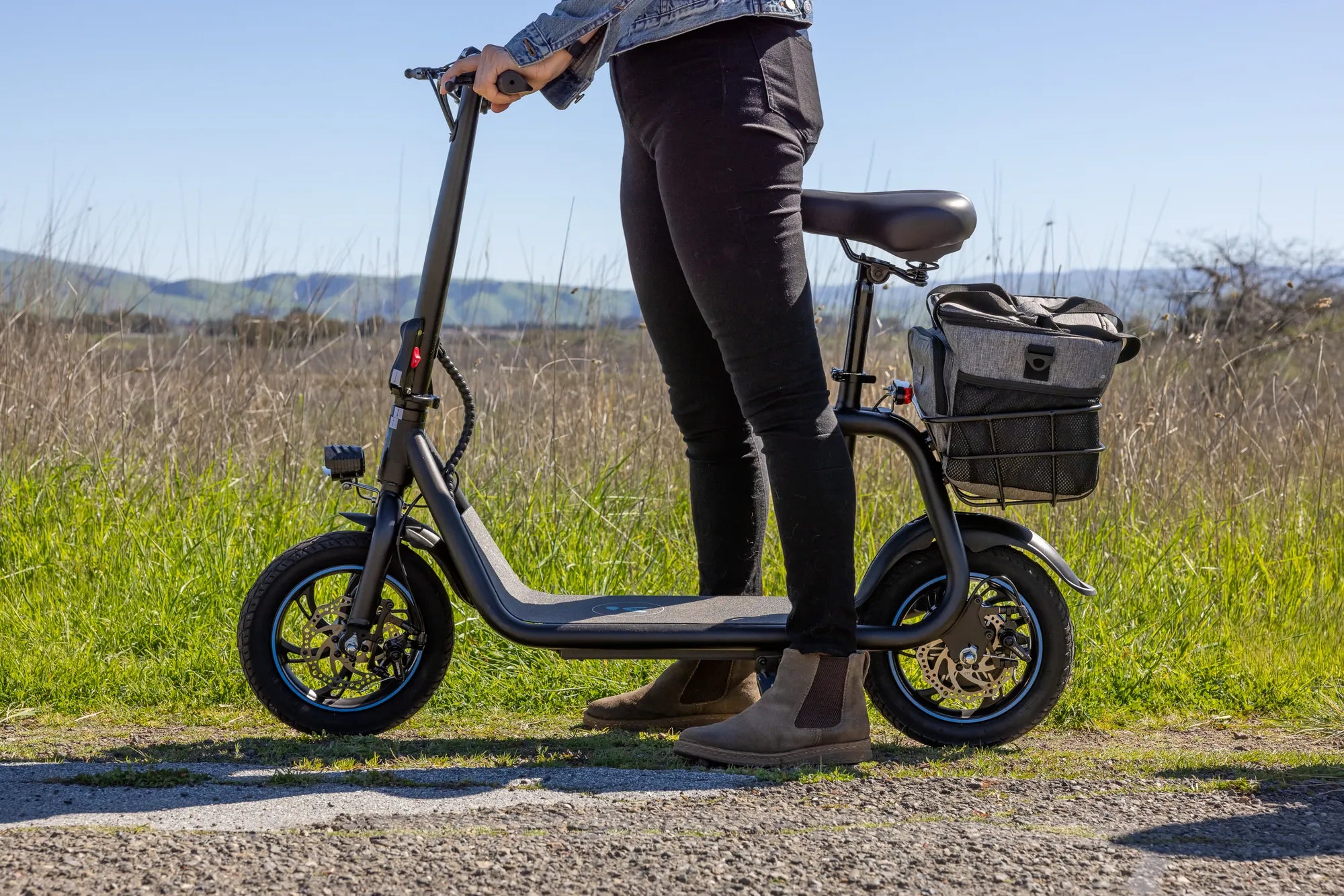
For the Pakistani diaspora and residents in Dubai, these regulations provide a safer environment for the “last-mile” commute. Specifically, professionals and gig-economy workers who rely on e-scooters for efficiency will benefit from reduced accident rates. While the cost of reflective gear and helmets is a minor initial investment, the long-term structural benefit is a more predictable and safer urban landscape for every household.
The Forward Path (Opinion)
This development represents a Momentum Shift. Rather than simply maintaining the status quo, Dubai is actively architecting a future where micro-mobility and traditional vehicular traffic coexist seamlessly. By prioritizing safety through technology and enforcement, the city continues to set a global benchmark for system efficiency in the modern era.