

OpenAI has reached a critical strategic baseline as the organization officially failed to meet its internal OpenAI revenue targets for the first quarter of 2026. According to recent intelligence, this shortfall highlights a deceleration in growth coupled with intense structural pressure from agile competitors. Specifically, the ambitious goal of securing one billion weekly active users by 2025 remains unachieved, signaling a potential saturation point for the current ChatGPT model.
The Competitive Erosion of OpenAI Revenue Targets
The global AI ecosystem is witnessing a significant calibration of power. Rivals such as Google’s Gemini and Anthropic have successfully disrupted OpenAI’s dominance. Notably, Anthropic is capturing a larger share of the precision coding and enterprise segments, which were previously OpenAI’s core strongholds. Consequently, churn rates among ChatGPT subscribers have surfaced as a primary concern for the board.

Strategic Risks and Data Center Scaling
Despite the revenue slowdown, CEO Sam Altman has committed the company to a massive infrastructure investment. OpenAI plans to spend approximately $600 billion on future data center capacity through strategic agreements. Furthermore, the company expects to burn $25 billion in cash during 2026 against a $30 billion revenue target. This fiscal trajectory has triggered internal friction between Altman and CFO Sarah Friar, particularly regarding the reporting requirements for a potential 2026 IPO.
- Cash Burn: Projected $25 billion for 2026.
- Revenue Baseline: Generated $13 billion the previous year.
- Legal Headwinds: Ongoing litigation from Elon Musk adds additional operational risk.
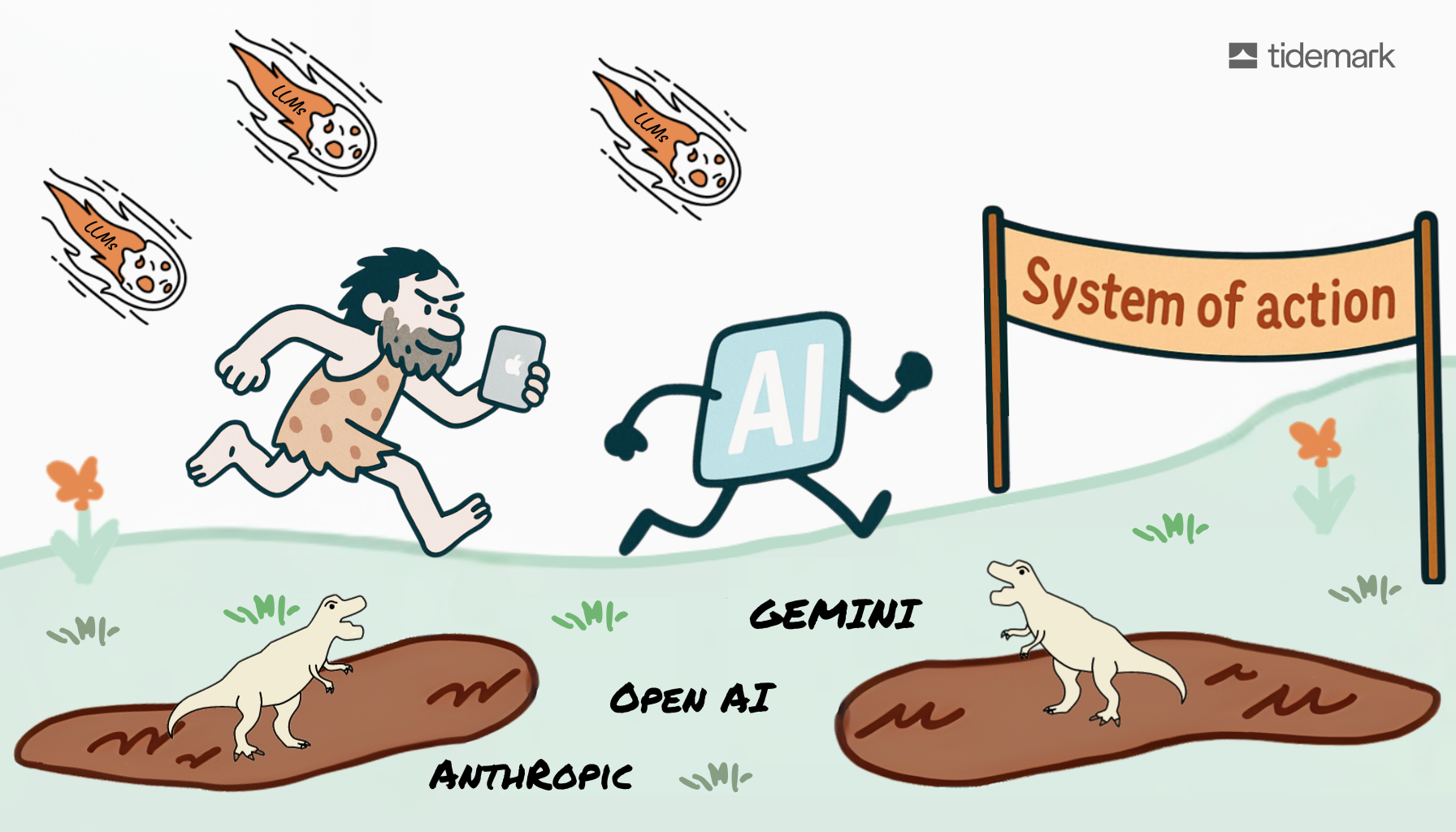
The Translation (Clear Context)
In architectural terms, OpenAI is attempting to build a massive foundation (data centers) while the number of residents (users) is growing slower than the blueprint predicted. The failure to hit OpenAI revenue targets suggests that the “easy growth” phase of AI is over. The market is now shifting from novelty to utility, where cost-efficiency and specialized performance—areas where Anthropic excels—matter more than brand recognition.
The Socio-Economic Impact
For the Pakistani tech ecosystem, this development is a catalyst for diversification. As OpenAI faces internal financial pressure, we may see a shift in pricing structures or API access limits. Pakistani developers and startups must transition from being OpenAI-dependent to being model-agnostic. High churn rates in the West suggest that local professionals should master diverse platforms like Gemini and Claude to maintain a competitive edge in the global freelance and enterprise markets.
The Forward Path (Opinion)
This development represents a Stabilization Move rather than a total loss of momentum. While the missed targets are a precision warning, the recent $122 billion funding round provides the necessary runway to refine GPT-5.5. However, the leadership must resolve the strategic divergence between Altman’s aggressive expansion and Friar’s fiscal caution. To sustain national advancement in AI, we must focus on the efficiency of implementation rather than just the scale of compute.








