

The strategic alignment between Big Tech and sovereign defense sectors serves as a primary catalyst for modern system efficiency. Google recently finalized a classified contract with the U.S. Department of Defense to facilitate advanced operations. This Pentagon AI deal permits the military to utilize Google’s precision-calibrated models for high-security government tasks. Consequently, this agreement marks a significant recalibration of the company’s structural relationship with the military-industrial complex.
The Architecture of the Pentagon AI Deal
Reports indicate that the contract grants the Department of Defense broad access to Google’s AI ecosystems for any lawful purpose. However, the timing of the signing created immediate internal friction. On the same day the agreement became official, over 600 Google employees—including specialists from Google DeepMind—sent a formal letter to CEO Sundar Pichai. They urged the leadership to reject classified collaborations that could lead to inhumane applications of technology.
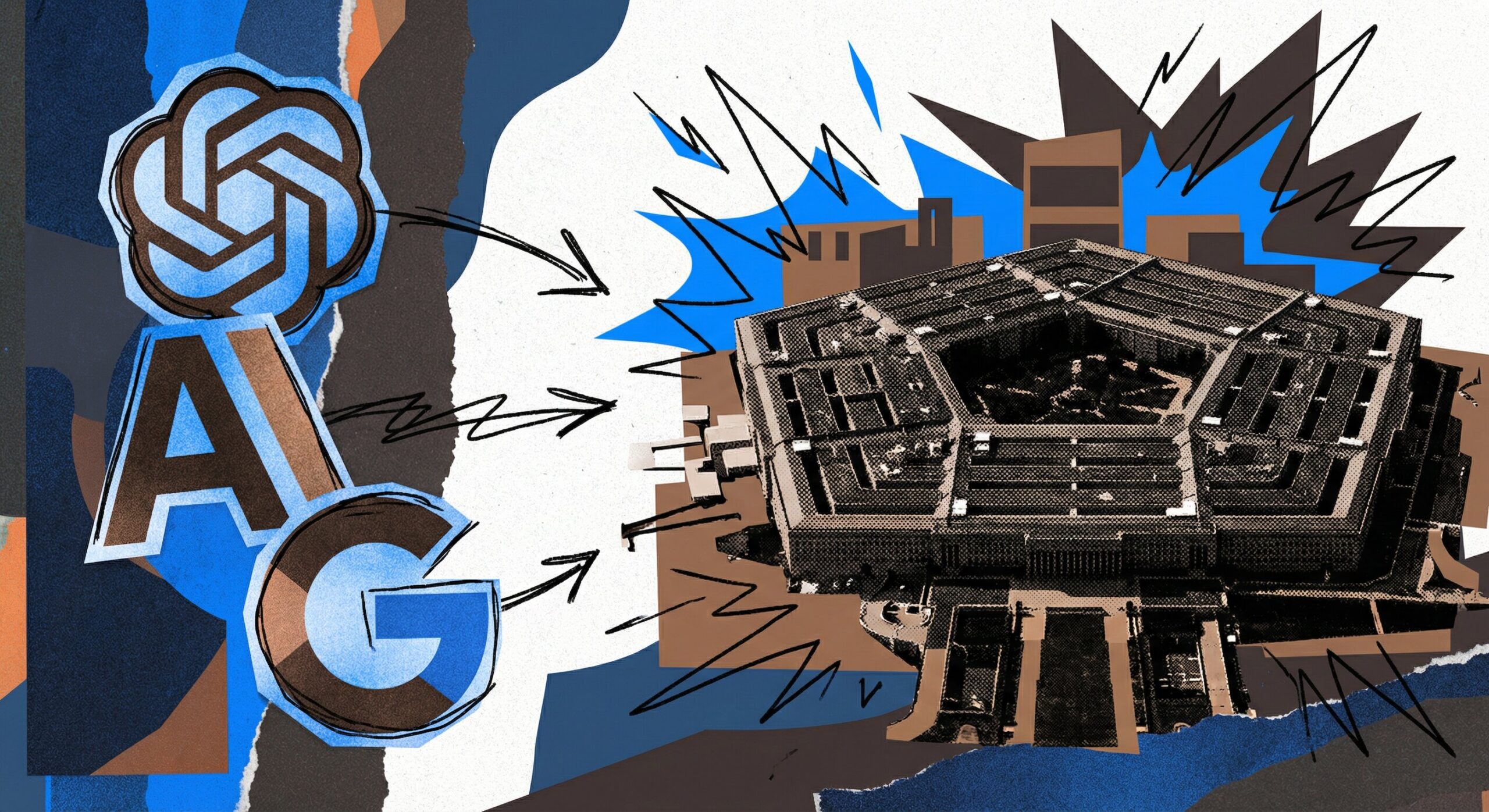
The protesting employees argued that classified workloads prevent transparency. Since the details remain hidden, Google representatives themselves cannot verify if their work aligns with ethical baselines. Furthermore, the staff expressed deep concern that these partnerships could indirectly support mass surveillance or autonomous weaponry, contradicting the company’s earlier pledges to prioritize human-centric AI development.
Legal Precision and Safety Filters
Google has clarified that the Pentagon AI deal includes clauses prohibiting the use of AI for autonomous weapons without human oversight. Nevertheless, legal analysts suggest these safeguards may lack enforceable power. Specifically, phrases such as “not intended for” might be interpreted as a preference rather than a strict legal barrier. In contrast to competitors like OpenAI, Google has reportedly agreed to help the government adjust safety filters on demand, providing the military with unprecedented operational flexibility.

The Situation Room Analysis
The Translation (Clear Context)
The “Next Gen” logic here is simple: Google is moving from a posture of isolation to one of integrated national utility. By signing this deal, Google is transitioning its most powerful algorithms into the infrastructure of national security. This shift effectively ends the “Project Maven” era of avoidance. The company is now prioritizing the structural necessity of government partnerships over the internal ethical preferences of its workforce.
The Socio-Economic Impact
For the average Pakistani citizen and professional, this development signals a global tightening of the tech-defense nexus. Pakistani STEM students and software engineers must recognize that the global job market is shifting toward “dual-use” technologies. As tech giants like Google integrate with defense, the ethical baseline for international tech careers is changing. This could lead to more restrictive data-sharing protocols and a higher demand for engineers who understand both AI precision and the legal complexities of defense contracts.

The Forward Path (Opinion)
This development represents a Momentum Shift. While critics view it as a retreat from ethical standards, it is actually a move toward strategic realism in a competitive global landscape. Google is choosing to influence the system from within rather than being sidelined. For Pakistan, the lesson is clear: national advancement requires a calibrated synergy between private innovation and state infrastructure. Precision and pragmatism are now the dual engines of progress.








