The All-Pakistan Shipping Association (APSA) recently announced a significant change. Member shipping lines now use official exchange rates from commercial banks. This crucial shift, guided by State Bank of Pakistan (SBP) regulations, ends years of overbilling. Furthermore, it eliminates the use of inflated dollar rates. Pakistan Customs praises this industry-wide breakthrough, anticipating transparency and fairness in shipping charges. Historically, international shipping lines often charged fees based on rates far from SBP-notified levels. Consequently, this increased costs and uncertainty for local businesses. This new policy ensures fair SBP exchange rates are applied.
A New Era of Transparent Shipping Charges
APSA formally confirmed this change on January 12, 2026. All member shipping lines now apply official bank exchange rates. This compliance follows extensive efforts by a high-level committee from Pakistan Customs. They held consultations with many stakeholders. These included shipping agents, terminal operators, various trade bodies, and international shipping lines in Pakistan.
This engagement process was vital. It convinced major players to align with SBP’s guidelines. For instance, Maersk, handling about 26% of Pakistan’s cargo, quickly adopted the official bank rates. Their proactive step set a key precedent. Other industry giants soon followed their lead. This marks a positive change for the industry.
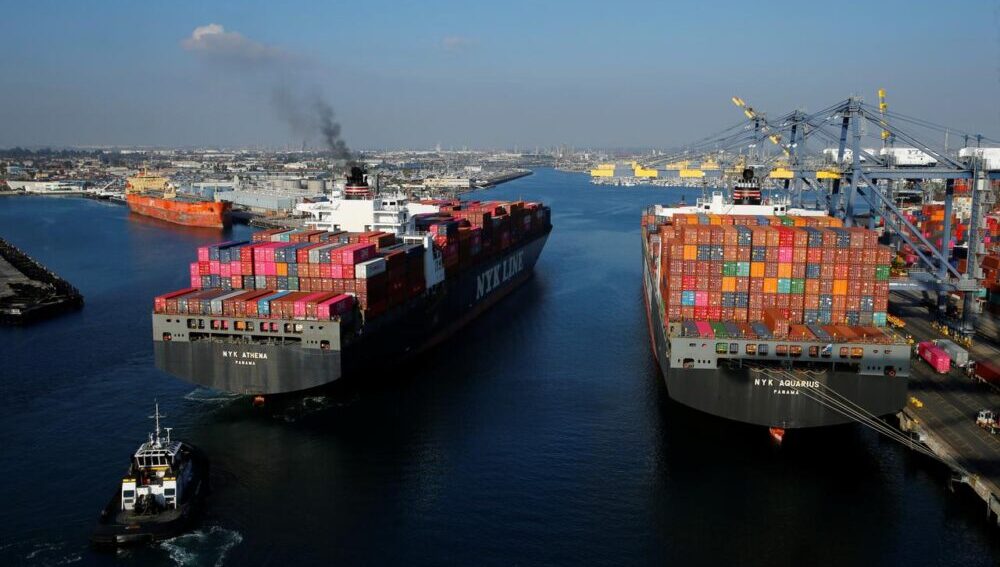
Widespread Compliance to Official SBP Exchange Rates
Many international shipping lines have confirmed full compliance. Their local agents also provided written assurances. These major global entities include:
- Hapag-Lloyd
- Ocean Network Express
- COSCO Shipping
- CMA CGM
- Mediterranean Shipping Company
- OOCL
- United Marine Agencies
This widespread adherence across the industry solidifies the shift. Now, SBP exchange rates are a permanent and enforceable standard.
For several years, Pakistani traders and exporters raised concerns. They worried about inflated dollar rates from shipping lines. This practice increased business costs and hurt export competitiveness. It also created an unpredictable environment for logistics planning. Consequently, resolving this issue brings significant relief to the business community.

Boosting Pakistan’s Trade and Economy
The implementation of official SBP exchange rates offers significant benefits. It will positively impact Pakistan’s economy and trade sector. Primarily, it eases cost pressures on traders and exporters. They can now operate with greater financial predictability. This, in turn, should boost export competitiveness. Pakistani goods will become more attractive in international markets.
Furthermore, this policy change creates transparency and predictability in shipping charges. Businesses can accurately forecast logistics costs. This reduces uncertainties and promotes a reliable trading environment. This newfound confidence is crucial. It restores trust and fosters growth in the shipping and logistics sector. Ultimately, it paves the way for a more streamlined supply chain.
Strengthening Economic Stability
The collaborative efforts of APSA, FBR, Pakistan Customs, and compliant shipping lines are vital. They represent a crucial step towards fostering economic stability. They also promote fair business practices in Pakistan. By eliminating overbilling, the government addressed a critical pain point. This supports export-led growth and enhances the ease of doing business. This development showcases effective regulatory oversight and collaborative industry participation. It promises a more equitable future for international trade in Pakistan.