

National energy security depends on the precision of our logistics and the resilience of our financial frameworks. Currently, Pakistan’s energy infrastructure faces a potential fuel supply crisis as global shipping risks escalate due to Middle Eastern volatility. Consequently, the Oil Companies Advisory Council (OCAC) has formally petitioned the State Bank of Pakistan (SBP) to extend critical import relaxations. Without this strategic intervention, current market uncertainty could disrupt the baseline availability of petroleum products nationwide.
Navigating Geopolitical Disruptions in Energy Logistics
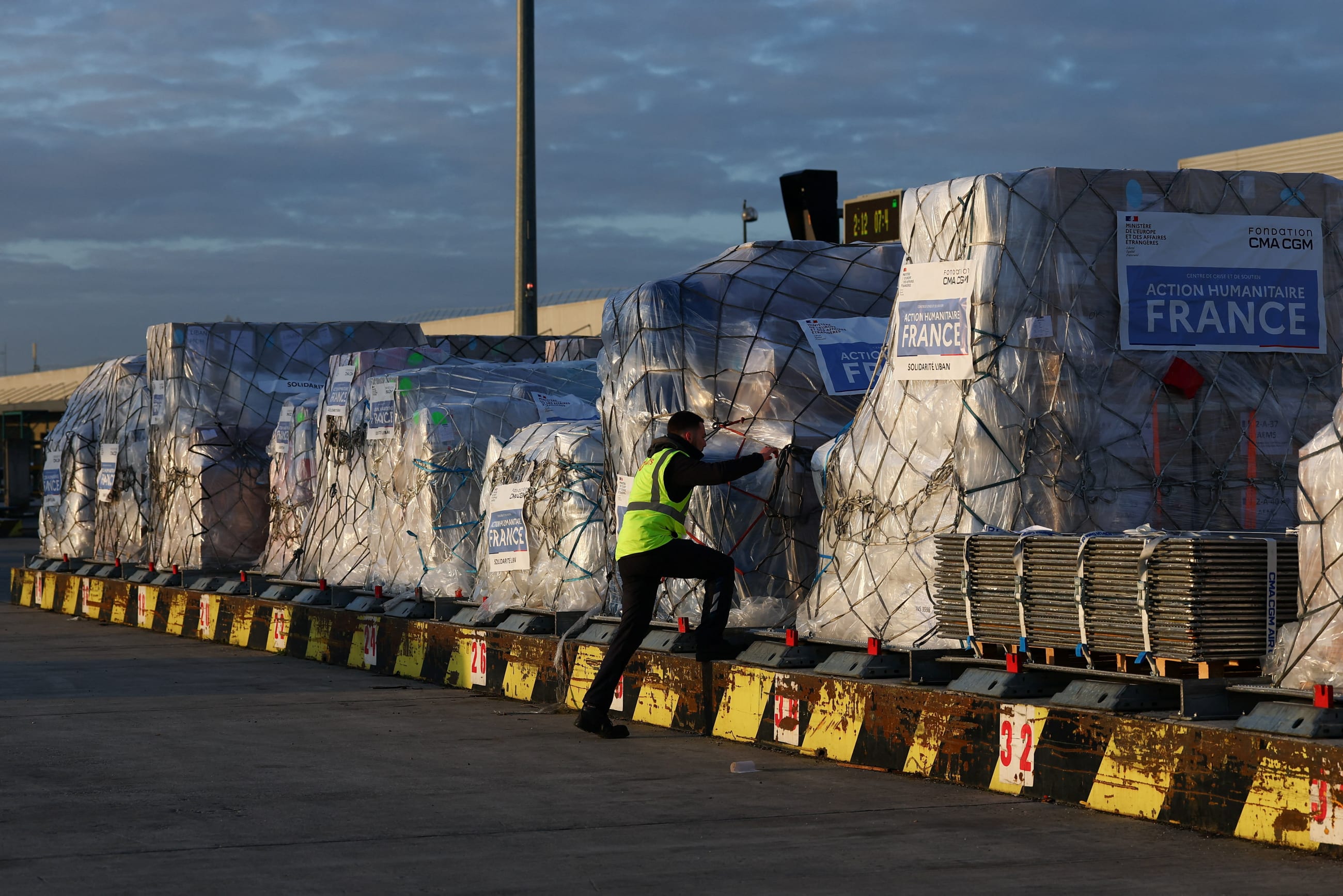
The industry currently operates under a 60-day facility that allows imports on a “cost, insurance, and freight” basis. This mechanism calibrated the system to absorb rising war risk insurance premiums triggered by regional tensions. However, these tensions persist, forcing insurers to either withdraw coverage or increase costs sharply. Therefore, maintaining this liquidity framework is essential to prevent a systemic fuel supply crisis.
The OCAC represents over three dozen oil marketing companies and refineries that demand a two-month extension before the May 10 expiration. Furthermore, the industry warns that terminating this relief abruptly will likely bottleneck the fuel supply chain. Key logistical challenges include:
- Elevated war risk insurance premiums for the Persian Gulf.
- Rising freight rates for tankers entering high-risk corridors.
- Heightened caution among global shipowners and suppliers.
The Translation: Breaking Down the Jargon
In simple terms, the global maritime environment has become a high-risk zone for tankers. Standard insurance is no longer affordable or available for ships entering certain corridors. By allowing “CIF” (Cost, Insurance, and Freight) imports, the government effectively lets companies bundle these costs. This ensures that the physical product reaches Pakistani ports despite the “war risk” surcharges that would otherwise halt shipments. It is a strategic bridge that keeps the fuel supply crisis at bay.

The Socio-Economic Impact: Daily Life in Pakistan
A fuel supply crisis would trigger a precision-based domino effect on the Pakistani economy. For households, it means higher transportation costs and potential electricity load-shedding during peak summer months. For students and professionals, it disrupts daily mobility and increases the cost of living. Essentially, the stability of the energy supply serves as the catalyst for all commercial activity; any friction here directly penalizes the average citizen’s productivity.
The Forward Path: Innovator’s Perspective
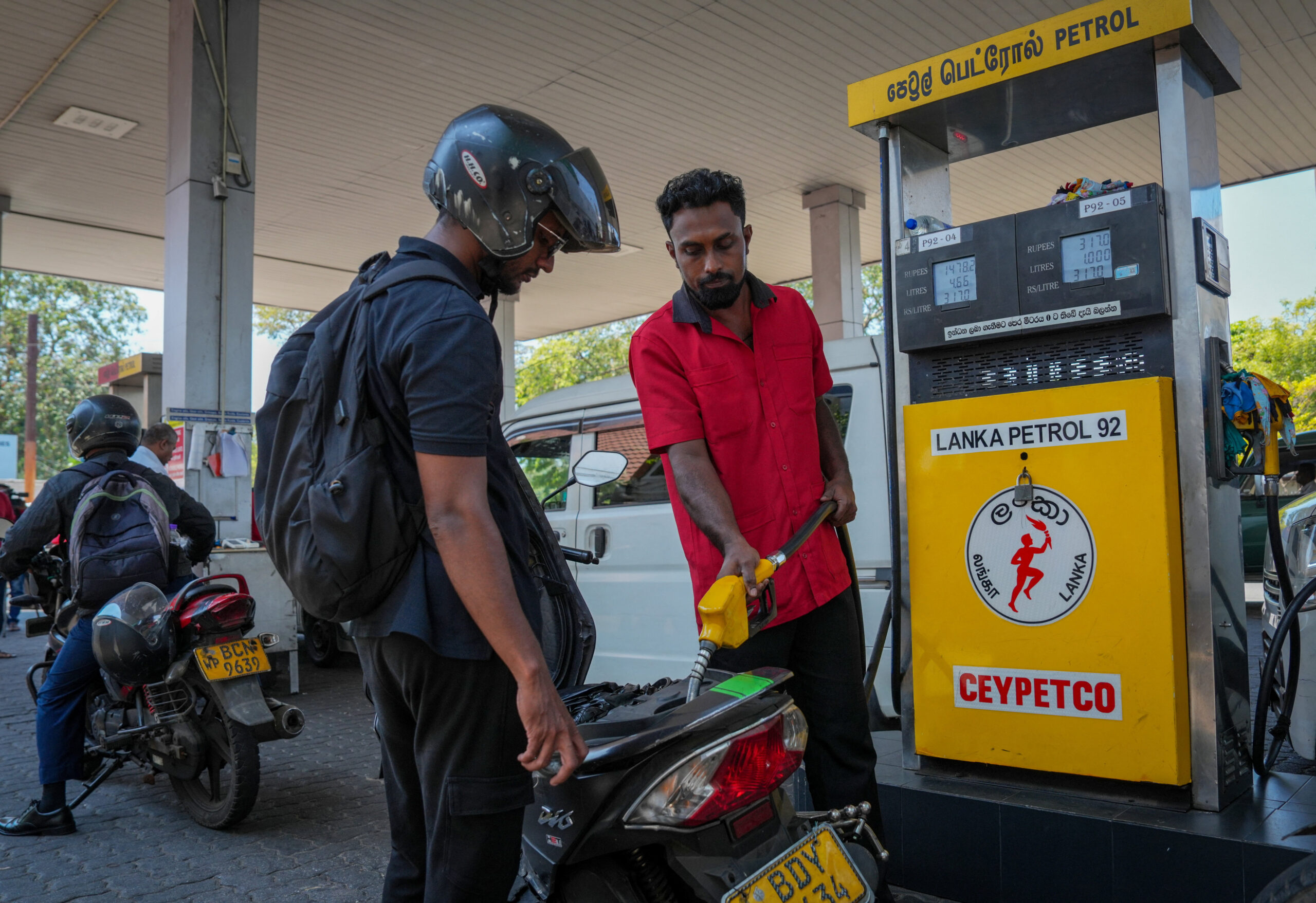
This development represents a Stabilization Move. While it does not solve the long-term structural dependency on imported oil, extending the relaxation is a calibrated necessity to prevent systemic failure. The state must bridge this gap to maintain operational continuity while global markets remain in flux. Moving forward, Pakistan must prioritize diversified energy pathways to reduce sensitivity to such external shocks.








