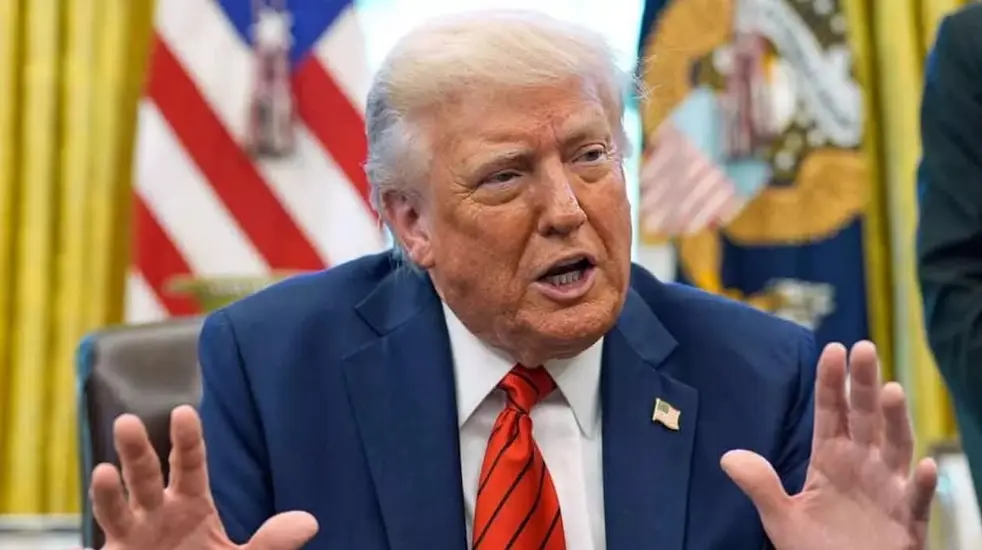
The architectural integrity of Western diplomacy faces a baseline stress test as German Chancellor Friedrich Merz identifies a strategic failure in the current US-Iran war talks. Merz informed reporters on Monday that the United States currently operates without a calibrated exit strategy. Consequently, Tehran appears to be gaining a significant tactical advantage while the US administration encounters unexpected resistance from Iranian negotiators.
Why US-Iran War Talks Face a Strategic Deadlock
Merz argues that the lack of a precise operational plan complicates any transition toward peace. He drew direct parallels to historical precedents, specifically the prolonged conflicts in Afghanistan and Iraq. In those instances, a lack of foresight led to structural inefficiency and costly, uncoordinated withdrawals. Furthermore, Merz noted that the Islamic Revolutionary Guard Corps (IRGC) continues to exert substantial influence, effectively stalling diplomatic momentum.

Economic Pressure and Maritime Security
The German leadership emphasizes that this conflict is not localized. Increased energy costs and pressure on industrial output have forced Berlin to reconsider its baseline involvement. Chancellor Merz indicated that Germany remains ready to deploy minesweepers to the Strait of Hormuz to safeguard global shipping routes. However, he clarified that such tactical support remains conditional upon the termination of active hostilities.

The Translation
In “Next Gen” terms, the Chancellor is highlighting a “systems failure” in international relations. When a global power enters a conflict without a defined “End-State,” it loses leverage. Iranian officials are leveraging this ambiguity to project strength. For the observer, this means the US is being outmaneuvered not by raw power, but by strategic patience and local influence.
The Socio-Economic Impact
How does this change the daily life of a Pakistani citizen? Geopolitical instability in the Strait of Hormuz directly correlates with volatility in petroleum prices. For the average household in Karachi or Lahore, a stalemate in these US-Iran war talks translates to higher transportation costs and inflationary pressure on essential goods. For students and professionals, it signals a period of heightened economic uncertainty across the region.
The Forward Path
This development represents a Stabilization Move. While Merz’s critique is sharp, his offer of minesweepers indicates a focus on maintaining the baseline of global trade rather than escalating the conflict. For Pakistan, the strategic imperative is to diversify energy dependencies and prepare for sustained regional volatility as the US recalibrates its Middle Eastern presence.