
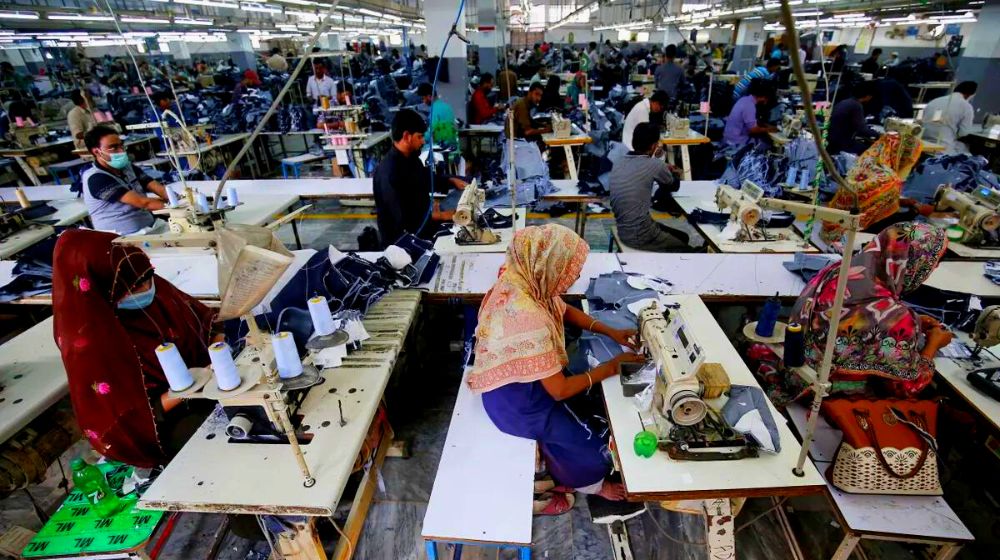
The Federation of Pakistan Chambers of Commerce and Industry (FPCCI) officially rejected the recent SBP interest rate hike of 1 percent. This decision threatens to trigger a wave of industrial closures and widespread economic stagnation across the country. FPCCI President Atif Ikram Sheikh described the move as ill-timed and unfortunate. He emphasized that the economy was just entering a vital recovery phase. Consequently, these contractionary policies could derail the fragile progress made during the recent stabilization period.
The Translation: De-coding the Monetary Constraint
In a technical sense, a SBP interest rate hike increases the “cost of capital.” This means businesses must pay more to borrow the funds required for daily operations and expansion. While central banks typically use this as a calibrated tool to curb inflation, the FPCCI argues that Pakistan’s inflation baseline is driven by energy costs and supply chain friction rather than consumer demand. Therefore, raising interest rates creates a “structural chokehold” on manufacturers without addressing the actual drivers of rising prices.
Why the SBP Interest Rate Hike Strains the Industrial Baseline
Atif Ikram Sheikh highlighted that high borrowing costs make Pakistani products less competitive in the global market. Furthermore, the FPCCI provided data to the Ministry of Finance showing that industries cannot expand when competing against regional economies with lower rates. Senior Vice President Saquib Fayyaz Magoon noted that Small and Medium Enterprises (SMEs) face the highest risk. These entities lack the cash reserves to withstand expensive credit, making them prone to defaults. The business community specifically cited several critical concerns:
- Accelerated De-industrialization: Rising costs force factories to operate below capacity or shut down entirely.
- Export Deterioration: High production costs prevent local manufacturers from competing in regional markets.
- Credit Restrictions: Private sector credit becomes inaccessible, stalling innovation and technological upgrades.
The Socio-Economic Impact: From Factories to Households
This development directly impacts the daily lives of Pakistani citizens. When industries stall, the immediate result is job insecurity and layoffs, particularly in manufacturing hubs like Sindh. Families face a double burden: the rising cost of living and the threat of unemployment. Moreover, as production decreases, the supply of local goods shrinks, which can ironically lead to further price hikes. For the aspiring professional, this environment limits the creation of high-value STEM roles and entrepreneurship opportunities.
The Forward Path: A Strategic Assessment
From a STEM-driven perspective, this move represents a Stabilization Move that prioritizes short-term fiscal metrics over long-term industrial momentum. However, it risks becoming a “Calibration Error” if not paired with aggressive energy sector reforms. To achieve a true momentum shift, Pakistan must transition away from regressive monetary tightening. The government should focus on expanding the tax base and reducing the systemic costs of energy. Only by creating a precision-aligned financial environment can we catalyze sustainable economic growth and national advancement.








