

The digital landscape is undergoing a structural transformation as Microsoft integrates Microsoft Agent Mode into its primary productivity suite. This shift represents more than a software update; it is a calibrated move toward autonomous workspace efficiency. By deploying Microsoft Agent Mode, the system now transitions from a passive assistant to an active participant. Consequently, users can now execute multi-step reasoning across Word, Excel, and PowerPoint without manual intervention, establishing a new baseline for national digital advancement.
Architectural Efficiency: What Microsoft Agent Mode Can Do
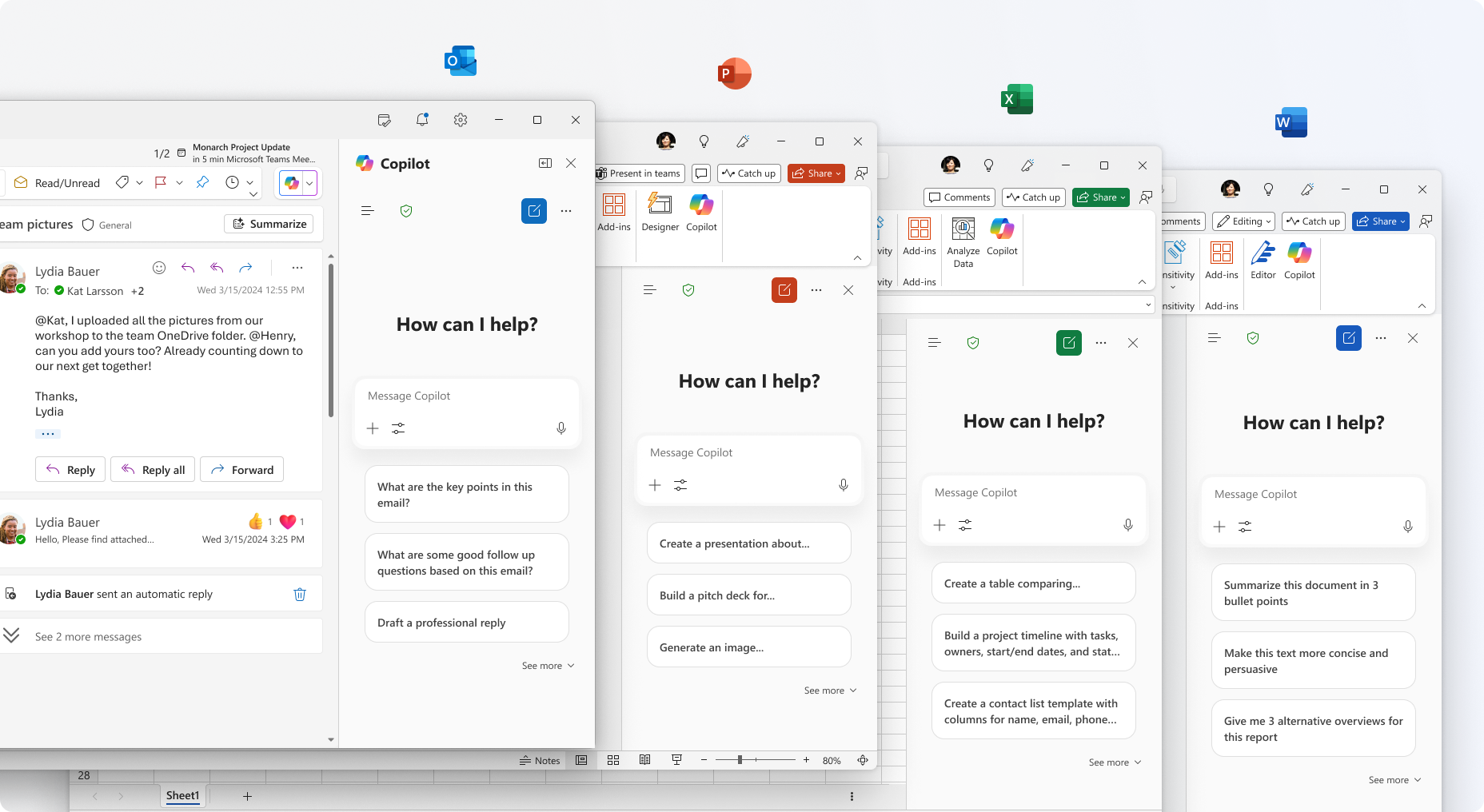
Microsoft identifies this advanced experience as “vibe working,” where the AI operates with high precision. In Word, the agent effectively drafts content, rewrites complex text, and reorganizes entire documents to match specific tone requirements. Meanwhile, Excel users can edit workbooks directly, insert formulas, and synthesize raw data into visual tables automatically. Furthermore, PowerPoint users can update presentations while the system preserves company template styles with absolute consistency.

To ensure transparency, a real-time sidebar tracks every strategic step the AI takes. This allows professionals to monitor document changes as they occur. As a result, the transition from manual drafting to automated oversight becomes seamless and manageable for the modern professional.
The Evolution of Instruction Following
Previously, AI assistants functioned in a passive capacity, primarily responding to isolated queries. However, Microsoft has now refined instruction following and multi-step reasoning to allow for direct document manipulation. This structural evolution ensures the AI preserves user intent while controlling complex applications. Early data indicates a significant momentum shift; specifically, Excel engagement rose by 67% following the feature’s rollout.
The Situation Room: Analysis
The Translation (Clear Context)
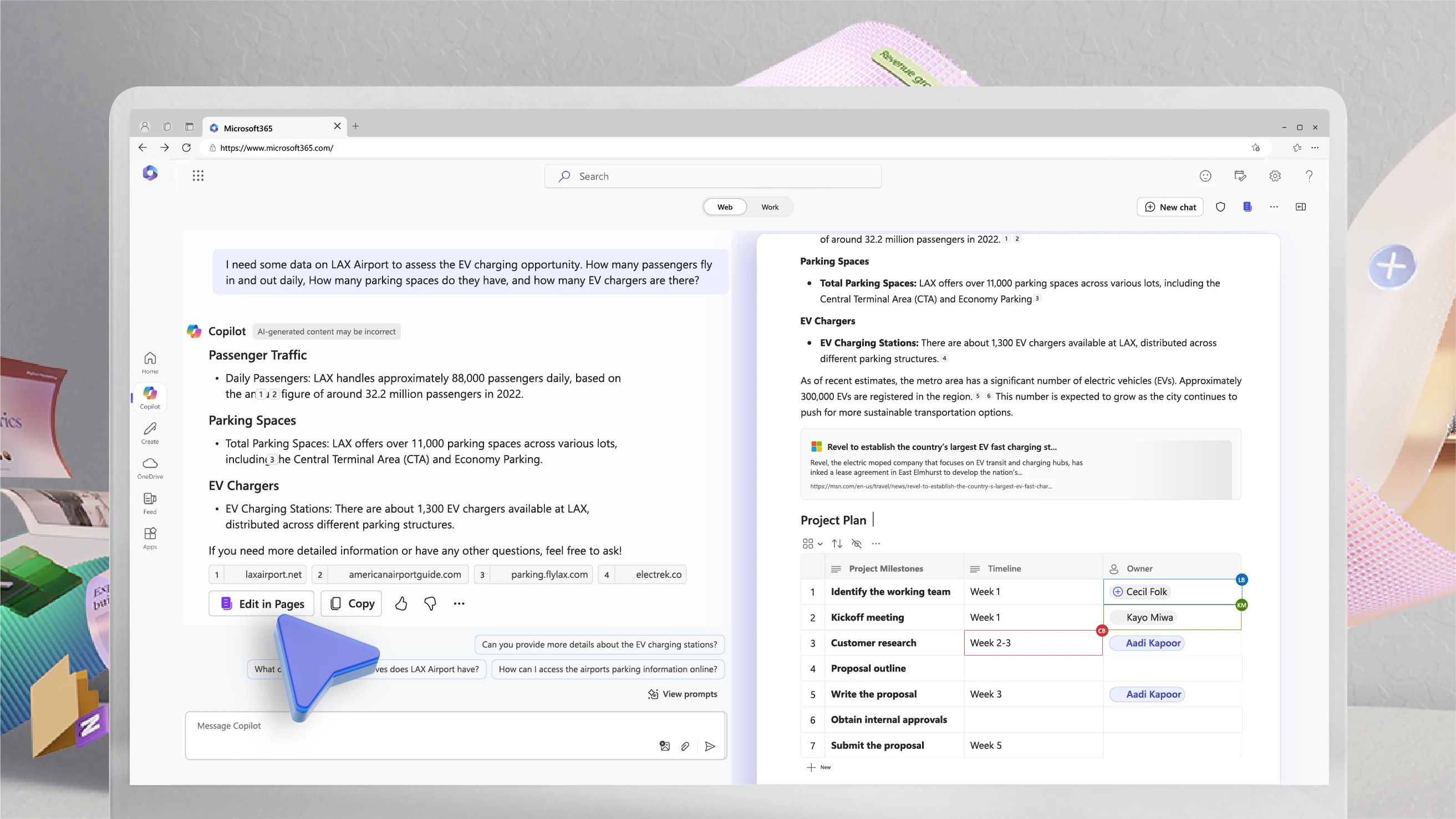
Microsoft Agent Mode moves us beyond the era of “chatting” with AI. While previous versions of Copilot required you to copy-paste or manually prompt every change, Agent Mode possesses the “agency” to act within the software environment. It understands the context of a 20-page document or a complex spreadsheet and executes changes as a human administrator would. Essentially, the tool has graduated from a dictionary to a specialized technician.
The Socio-Economic Impact
For the Pakistani workforce—ranging from freelance data analysts to corporate managers—this technology acts as a force multiplier. By automating repetitive administrative tasks, professionals can focus on high-level strategic thinking. In a global economy, this efficiency gain allows local talent to deliver higher-quality outputs at faster rates, directly increasing the competitiveness of Pakistan’s burgeoning IT sector. Consequently, households can expect a reduction in time-intensive digital labor.

The “Forward Path” (Opinion)
This development represents a definitive Momentum Shift. We are witnessing the end of the “Software as a Tool” era and the beginning of the “Software as a Colleague” era. This is a crucial stabilization move for global productivity, but it requires users to sharpen their “Prompt Engineering” and oversight skills. To maintain progress, Pakistani educational institutions must integrate these autonomous workflows into their STEM curricula immediately.








