

The recent surge in Framework Linux laptop sales marks a decisive baseline for architectural efficiency in the digital frontier. As Framework begins shipping the new Laptop 13 Pro, internal metrics indicate a strategic shift: the Linux variant is currently outperforming the Windows model in total volume. This trend highlights a calibrated move by professional users toward open-source sovereignty and hardware longevity.
Precision Demand: Framework Linux Laptop Sales Velocity
Current shipment data reveals an aggressive market response to Framework’s latest iteration. The company confirmed that six initial batches of the Intel-powered version reached total capacity almost immediately. Consequently, sales operations have transitioned into Batch 8, signaling a high-velocity adoption rate for the Framework Linux laptop ecosystem.

Moreover, the preference for specific configurations suggests a more sophisticated buyer persona. Specifically, the Gray/Black keyboard variants are significantly outperforming the standard Black options. This indicates that the Framework community values aesthetic customization as much as modular precision.
The Open-Source Baseline: Ubuntu Leads Windows
Framework officially noted that Ubuntu-preinstalled configurations are currently the primary catalyst for sales growth. This comparison excludes “Bring Your Own” (BYO) OS buyers, focusing strictly on units sold with a factory-installed operating system. The data confirms a structural preference for Linux in environments where users demand granular control over their hardware-software interface.

While Linux laptops were previously restricted to niche vendors like System76 or specialized Dell models, the Framework Linux laptop has successfully democratized access to high-performance, repairable open-source systems.
The MacBook Migration Trend
One of the most significant data points from Framework’s post-purchase survey involves the MacBook ecosystem. More than one-third of buyers reported that they are replacing a MacBook Pro with a Framework device. This transition represents a strategic exit from “walled garden” ecosystems in favor of modularity.
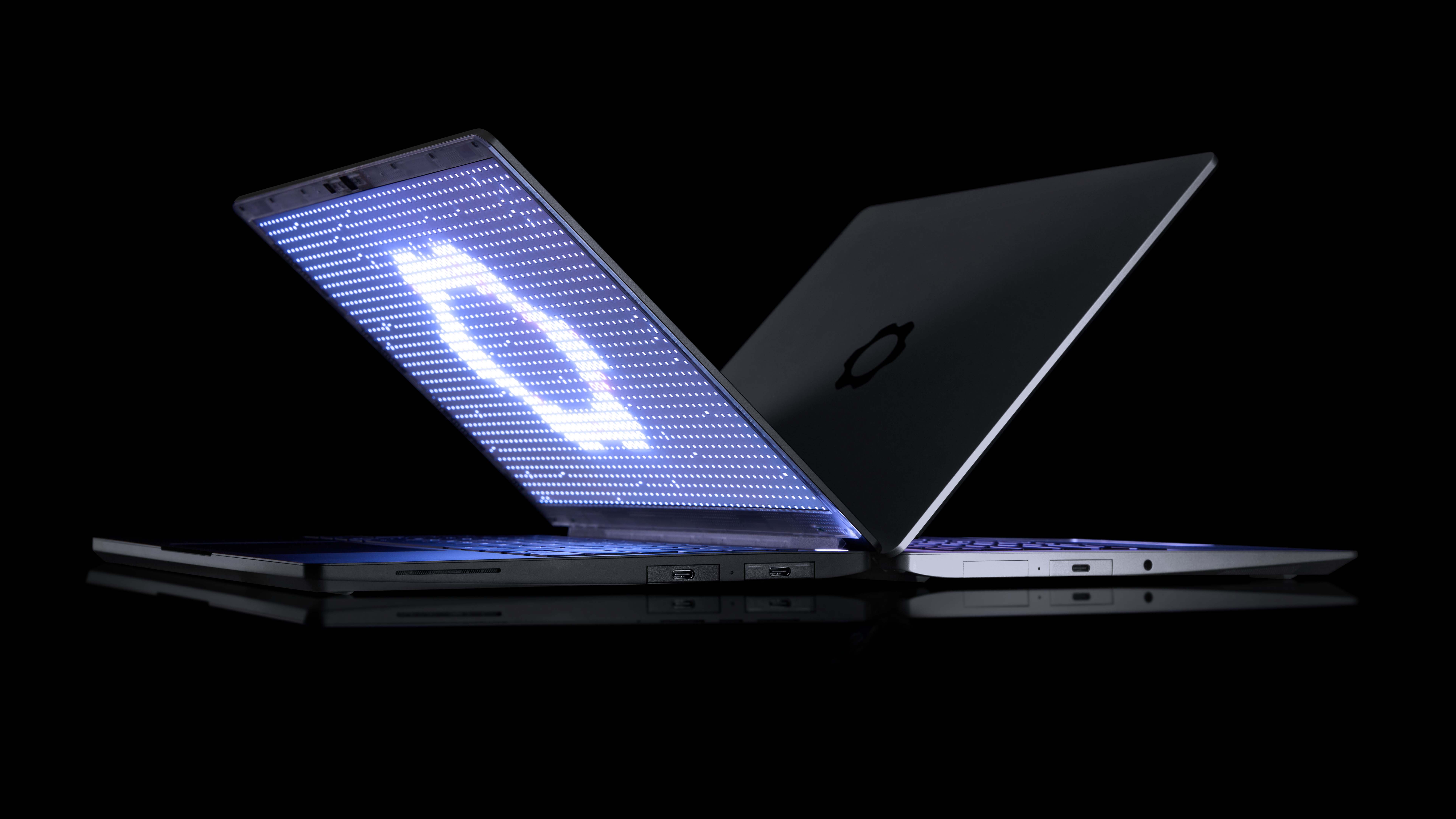
Interestingly, the majority of these former Apple users are not moving to Windows. Instead, they are migrating directly to Linux, seeking a balance between premium hardware and software transparency. This move suggests that the modern professional prioritizes system repairability over proprietary brand lock-in.
The Situation Room Analysis
The Translation (Clear Context)
Historically, Windows has dominated the consumer market through sheer ubiquity. However, Framework is proving that there is a massive, underserved demand for “clean” hardware. By offering a Framework Linux laptop that is easy to repair and customize, the company is catering to users who view their computer as a tool for precision rather than a disposable commodity. The “sell-out” status of these batches proves that repairability is no longer a niche hobby; it is a market-moving requirement.
The Socio-Economic Impact
For the Pakistani professional—including software engineers, digital creators, and students—this shift is vital. In an economy where hardware costs are soaring, a repairable laptop represents a long-term investment rather than a 3-year recurring expense. The adoption of Linux reduces licensing costs while providing a robust environment for STEM development. This trend could catalyze a more sustainable tech culture in urban hubs like Karachi and Lahore, where technical self-reliance is a critical economic asset.
The Forward Path (Expert Opinion)
This development represents a significant Momentum Shift. We are witnessing the first major breach in the proprietary hardware monopoly of the last decade. Framework has successfully established a baseline where open-source software and modular hardware are not just viable—they are preferred. As more users exit restricted ecosystems, expect the Framework Linux laptop to serve as the blueprint for the next generation of professional computing.








