
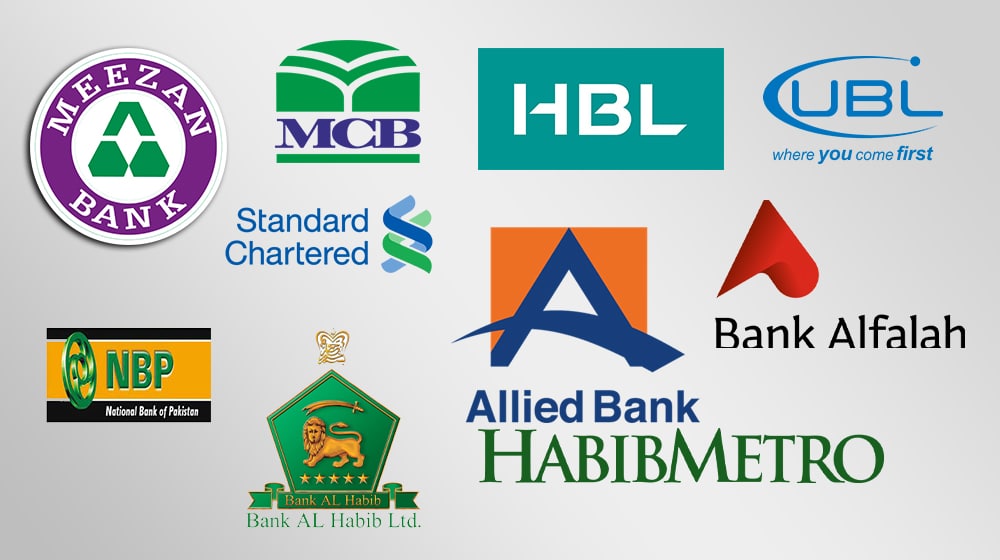
Pakistan’s financial architecture is undergoing a strategic recalibration. In 2025, the banking sector demonstrated remarkable resilience, recording collective profits of Rs. 671 billion. This metric represents a precision-driven surge from Rs. 600 billion in 2024, highlighting the sector’s adaptability despite a tightening benchmark policy rate. Consequently, the profitable banks in Pakistan have redefined their operational baseline to sustain growth in a volatile global landscape.
The 2025 Banking Power Rankings
While the overall industry profitability increased, individual performance varied based on structural efficiency. Specifically, only three institutions recorded year-on-year growth, while seven others faced earnings compression due to shifting fiscal policies.
1. United Bank Limited (UBL): The Industry Catalyst
United Bank Limited created history by posting a record profit of Rs. 130 billion. This performance solidified its position as the leader among profitable banks in Pakistan. By merging with Silk Bank and scaling its market capitalization beyond $4 billion, UBL achieved an Earnings Per Share (EPS) of Rs. 51.3.
2. Meezan Bank: Islamic Banking Challenges
As the premier Islamic institution, Meezan Bank maintains a disciplined growth trajectory despite a profit decline to Rs. 89 billion. However, the bank continues to offer a competitive dividend of Rs. 28 per share, reflecting its stable liquidity position under new leadership.
3. National Bank of Pakistan (NBP): The Momentum Shift
NBP delivered the most aggressive growth in the sector, jumping from ninth to third place. The bank reported a staggering 220% year-on-year increase in net profit, reaching Rs. 85.9 billion. Consequently, its share price surged from Rs. 12 to Rs. 40.

4. Habib Bank Limited (HBL): The Deposit Giant
HBL retained its fourth-place ranking with a profit of Rs. 66.8 billion. Significantly, the bank maintains the industry’s highest deposit base, exceeding Rs. 5.5 trillion, ensuring long-term structural stability.
5. MCB Bank: The Dividend Benchmark
Although MCB Bank slipped to fifth place, it remains a favorite for shareholders. The bank distributed the highest dividend in the industry at Rs. 36 per share, despite a minor 5% decline in total earnings.
6. Allied Bank Limited (ABL)
ABL reported a profit of Rs. 35.175 billion. While earnings dipped by 18%, the bank maintained its sixth-place position through disciplined cost management.
7. Bank Al Habib
Facing higher operating expenses, Bank Al Habib recorded a profit of Rs. 32.46 billion. It continues to focus on network expansion to offset the impact of lower policy rates.
8. Standard Chartered Bank (Pakistan)
Standard Chartered experienced a 37% decline in net profit, falling to Rs. 28.78 billion. This shift was largely driven by reduced gains on securities and rising operational overheads.
9. Bank Alfalah
Bank Alfalah reported earnings of Rs. 28.34 billion. The bank is currently recalibrating its digital strategy to regain its previous market standing in 2026.
10. Habib Metro Bank
Habib Metro secured the final spot with Rs. 23.1 billion in profit. It faces intense competition from Askari Bank, which is trailing closely at Rs. 23.02 billion.
The Translation (Clear Context)
The banking sector’s profitability is often tied to the “spread”—the difference between the interest banks pay you on deposits and what they charge on loans. In 2025, the State Bank adjusted policy rates. This move typically squeezes profit margins. However, banks like UBL and NBP mitigated this by optimizing their investment portfolios and expanding their digital footprint. When a bank “creates history” in this context, it means they navigated these macro-economic shifts better than their peers.
The Socio-Economic Impact
For the average Pakistani citizen, high bank profits signal a stable financial system. This stability ensures that your deposits remain secure and that credit remains available for businesses. However, the decline in earnings for seven out of the top ten banks suggests that the era of “easy money” from high-interest government bonds is ending. This shift could eventually push banks to offer better services and lower interest rates on personal and small business loans to attract more customers.
The Forward Path (Opinion)
This development represents a Momentum Shift. The 220% growth seen in the public sector (NBP) and the record-breaking efficiency of UBL indicate that the industry is no longer rewards passive management. To remain competitive among the profitable banks in Pakistan, institutions must now prioritize technological integration and diversified asset management rather than relying solely on policy rate fluctuations.








