

Global semiconductor supply chains faced a precision-based shock this week as Samsung chipset production plummeted by 58% at the Pyeongtaek facility. Consequently, this sudden contraction occurred after workforce members skipped critical overnight shifts during a targeted labor protest. While the disruption was temporary, the structural impact on memory and contract manufacturing highlights the fragility of integrated tech ecosystems. Precision in these facilities is the baseline for global hardware stability.
The Translation: Strategic Disruptions and Global Output
In the highly calibrated world of semiconductor manufacturing, precision is the primary baseline for success. A 58% drop in chipset output and an 18% decline in memory production are not merely statistical anomalies. Furthermore, these figures represent a massive structural gap in the global supply chain. When shifts are skipped, the continuous cooling and calibration systems of the foundry encounter logistical turbulence, necessitating an immediate strategic response from management.
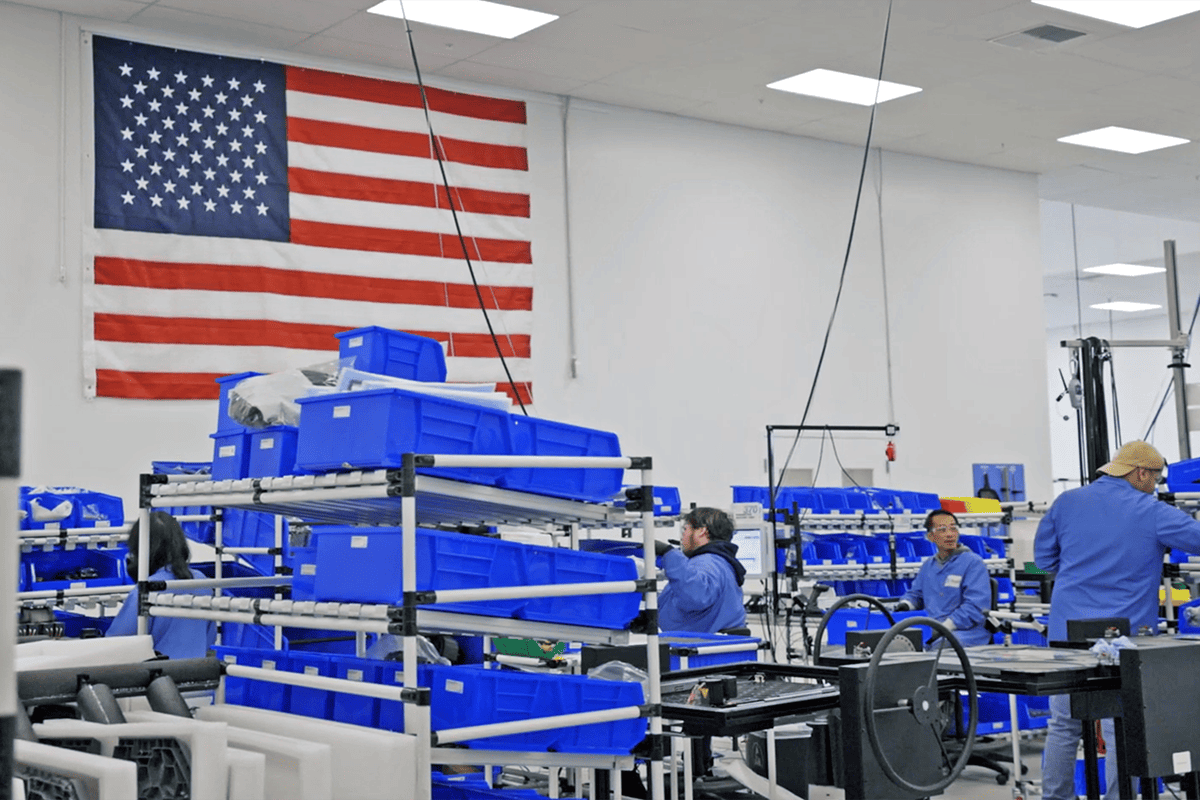
The Pyeongtaek factory complex operates on a 24/7 cycle to maintain equipment efficiency. Notably, the refusal of workers to report for the 10 p.m. to 6 a.m. shift acted as a catalyst for this production bottleneck. While the union demands higher wages, the immediate result is a calibrated slowdown in contract semiconductor fulfillment. This development underscores how labor dynamics directly influence the efficiency of high-tech manufacturing hubs.
The Socio-Economic Impact: What This Means for Pakistan
While this protest originated in South Korea, the ripple effects hit Pakistani households and tech professionals directly. Samsung is a primary supplier for smartphones and laptops used across the country. Therefore, any bottleneck in Samsung chipset production acts as a catalyst for local price inflation. Pakistani students and freelance developers relying on affordable tech may face higher costs or hardware shortages if these production gaps become a recurring baseline in the global market.
- Consumer Pricing: Potential price hikes for Samsung-reliant hardware in local markets.
- Freelance Stability: Delayed availability of high-performance laptops and workstations.
- Economic Awareness: A reminder of how global labor shifts impact local digital accessibility.
The Forward Path: Momentum Shift or Stabilization?
This event represents a Momentum Shift toward labor-driven accountability in high-tech manufacturing sectors. While the immediate output loss is significant, it serves as a necessary catalyst for Samsung to re-evaluate its workforce equilibrium. For Pakistan, this serves as a baseline reminder to diversify hardware sources and invest in localized assembly. Consequently, such moves would mitigate the impact of global supply shocks and ensure national digital resilience.








