
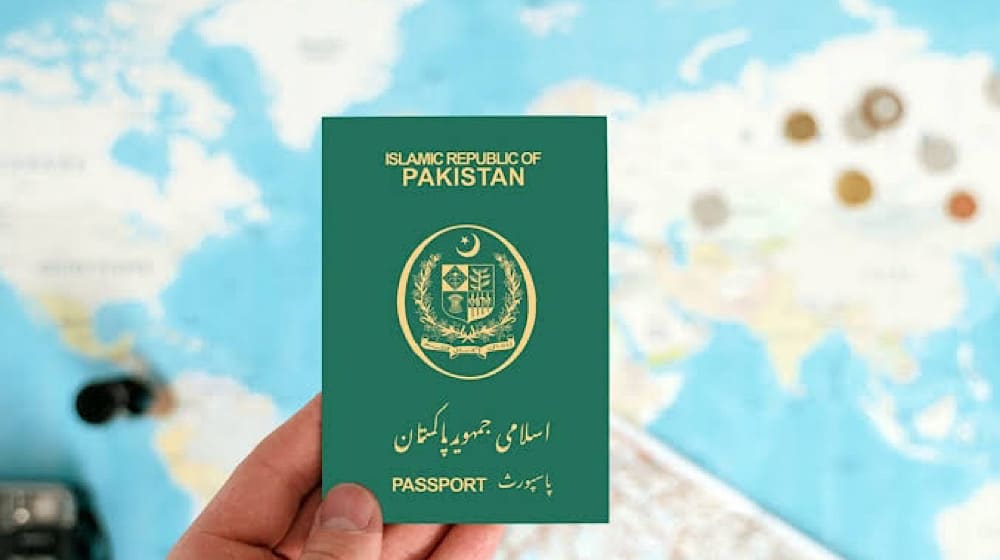
The structural alignment of a nation’s administrative frameworks serves as a catalyst for systemic efficiency and national growth. Recently, the Overseas Pakistanis Commission (OPC) calibrated its service delivery model by announcing new Overseas Pakistanis facilities. These reforms integrate specialized judicial courts across every district and 24/7 facilitation desks at major international airports, ensuring that the legal and logistical needs of our global diaspora are met with precision and speed.
Strategic Judicial Reforms and Special Courts
The core of this initiative involves the establishment of separate courts in every district specifically designed to handle cases involving citizens residing abroad. Consequently, these courts will exclusively hear overseas-related matters to ensure quick justice and a more effective legal process. The commission has finalized all administrative and judicial reforms, placing these cases on a high-priority baseline to prevent long-term litigation delays.

24/7 Airport Facilitation Architecture
Furthermore, the government is optimizing the transit experience for returning citizens. In the initial phase, dedicated facilitation desks will operate at Lahore and Islamabad airports. These desks provide immediate assistance for immigration, customs, and other essential services. Notably, dedicated staff will remain available 24 hours a day to guide arrivals, ensuring that the Overseas Pakistanis facilities provide tangible, around-the-clock support.

The Situation Room: Analysis
The Translation (Clear Context)
The logic behind this reform is to decouple diaspora-related legal issues from the standard, congested civil court system. By creating “Special Courts,” the government is essentially building a fast-track legal infrastructure. This prevents overseas citizens from being trapped in decades-long property disputes, which has historically been a major deterrent for foreign investment and trust in the system.
The Socio-Economic Impact
These Overseas Pakistanis facilities directly impact the daily lives of millions. For the professional in London or the worker in Dubai, this means their assets in Pakistan are now protected by a prioritized judicial shield. Furthermore, the airport desks reduce “transit friction,” allowing families to navigate customs and immigration without the typical procedural bottlenecks, saving hours of stress during short visits.
The Forward Path (Opinion)
This development represents a Momentum Shift. For years, the diaspora was viewed primarily as a source of remittances. By establishing district-level legal protections and 24/7 support, the state is shifting toward a model of active rights protection. To maintain this progress, the next step must involve the digitalization of these special courts to allow for remote testimony from abroad.








