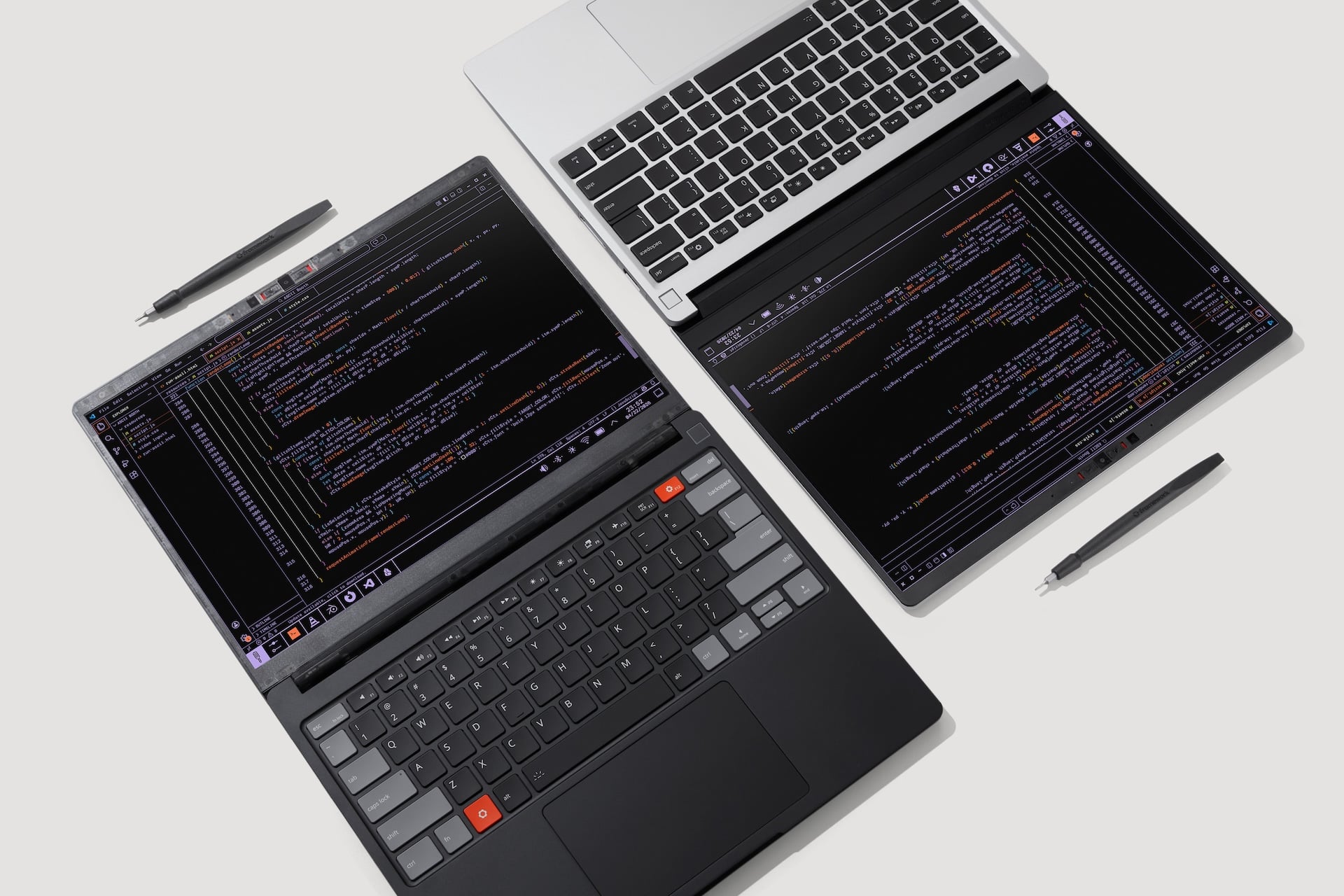
The global tech landscape requires a calibrated shift toward hardware longevity, and the new Framework modular laptop 13 Pro serves as a strategic catalyst for this transition. During the recent Next Gen event, Framework introduced the 13 Pro, marking its first significant chassis redesign since 2021. This evolution integrates a machined CNC aluminum body with advanced high-performance internals, establishing a new baseline for repairable professional computing.
Precision Engineering: Design and Display
Framework engineered the 13 Pro using a machined 6000-series aluminum chassis. This structural choice enhances overall rigidity while maintaining the original 15.86mm thickness. Consequently, the device offers a more premium feel without sacrificing portability. The company also introduced a sophisticated graphite colorway, providing a modern aesthetic for high-level professionals.

The visual interface features a 13.5-inch custom touchscreen display with a 3:2 aspect ratio. With a resolution of 2880 x 1920 and a variable refresh rate reaching 120Hz, the panel ensures fluid motion and sharp clarity. Furthermore, the 700-nit brightness and anti-glare coating optimize visibility for diverse working environments.
Next-Generation Architecture: Performance and Internals
What This Means for Our Digital Frontier
The Framework modular laptop 13 Pro leverages Intel Core Ultra Series 3 processors, offering Ultra 5, X7, and X9 configurations. This architectural update introduces PCIe 5.0 and Wi-Fi 7 compatibility, ensuring the system remains relevant in a rapidly evolving network environment. For the first time, Framework utilizes LPCAMM2 memory modules, supporting speeds up to 7,467 MT/s and capacities of up to 64GB.

Storage management remains flexible. While prebuilt models include designated drives, the DIY editions empower users to source their own hardware. This modularity extends to the Laptop 16, which now supports OCuLink developer kits for external GPU connectivity with 128 Gigabit bidirectional throughput.
Sustained Efficiency: Battery and Input
Framework upgraded the power system with a 74WHr battery, representing a 22 percent increase in capacity. Engineers calibrated this unit to retain 80 percent health after 1,000 cycles, significantly extending the hardware’s lifespan. To support rapid replenishment, a 100W GaN charger now accompanies the system, replacing the legacy 60W adapter.

User interaction sees a precision upgrade with a new haptic touchpad supplied by LiteOn. Additionally, the audio system now supports Dolby Atmos on Windows, delivering a more immersive auditory baseline for multimedia tasks.
The Situation Room: Strategic Analysis
The Translation (Clear Context)
Framework is disrupting the “planned obsolescence” cycle that dominates the electronics industry. By moving to a CNC aluminum chassis and standardized LPCAMM2 memory, they are making professional-grade hardware that users can actually repair. Instead of buying a new machine every three years, you simply upgrade the specific components that become outdated.
The Socio-Economic Impact
For the Pakistani citizen, this model offers a path toward sustainable tech ownership. In a market where high-end hardware is a massive investment, a Framework modular laptop reduces long-term costs. Students and professionals can start with a baseline model and upgrade pieces as their budget allows, effectively bridging the digital divide through incremental investment rather than bulk replacement.
The “Forward Path” (Opinion)
This development represents a Momentum Shift. Framework is proving that high-performance “Pro” hardware does not need to be a sealed, unrepairable box. By shipping prebuilt Ubuntu systems and providing OCuLink for developers, Framework is positioning itself as the primary architect of a more open and efficient hardware ecosystem.
Compatibility and Availability
Framework maintains a strict commitment to backwards compatibility. Existing Laptop 13 users can upgrade their units piece by piece, including the display, mainboard, and battery. The Framework Laptop 13 Pro begins shipping in June, with DIY editions priced at $1,199 and prebuilt configurations starting at $1,499.