Government Sounds Alarm: Protecting Your Company from Critical Security Bugs
Government cybersecurity agencies are urgently warning organizations nationwide about a critical security bug actively exploited by hackers. This significant threat highlights the ongoing challenges businesses face in safeguarding their digital assets from sophisticated cyberattacks. Protecting company data effectively becomes paramount for every organization today.

Understanding This Critical Vulnerability
At its core, this vulnerability is a severe remote code execution (RCE) flaw. These types of flaws often permit unauthenticated attackers to execute arbitrary commands on a target system. Therefore, hackers can bypass existing security measures, taking full control of affected servers or applications remotely. Moreover, they do not require legitimate credentials or user interaction to do so. These vulnerabilities typically stem from inadequate input validation, improper authorization checks, or inherent design weaknesses in widely used software platforms. The combination of easy exploitation and severe potential impact makes such cybersecurity vulnerabilities a top priority for defense teams.
Grave Risks to Company Data Protection
Exploiting this critical security bug poses a direct and immediate threat to company data. Successful attacks empower hackers to:
- Exfiltrate Sensitive Information: Attackers can gain access to and steal confidential corporate data, customer records, financial details, and intellectual property.
- System Compromise: They can take complete control of compromised systems, enabling further network penetration, malware installation, or service disruption.
- Credential Theft: Additionally, hackers may steal user credentials, API keys, and other secrets for lateral movement within the network.
- Operational Disruption: Ultimately, critical business operations could be disrupted by tampering with systems or data, leading to significant downtime and productivity losses.
The repercussions extend beyond immediate data loss, potentially impacting regulatory compliance, customer trust, and long-term business viability. Therefore, data breach prevention is essential.
Urgent Government Cybersecurity Advisory and Action
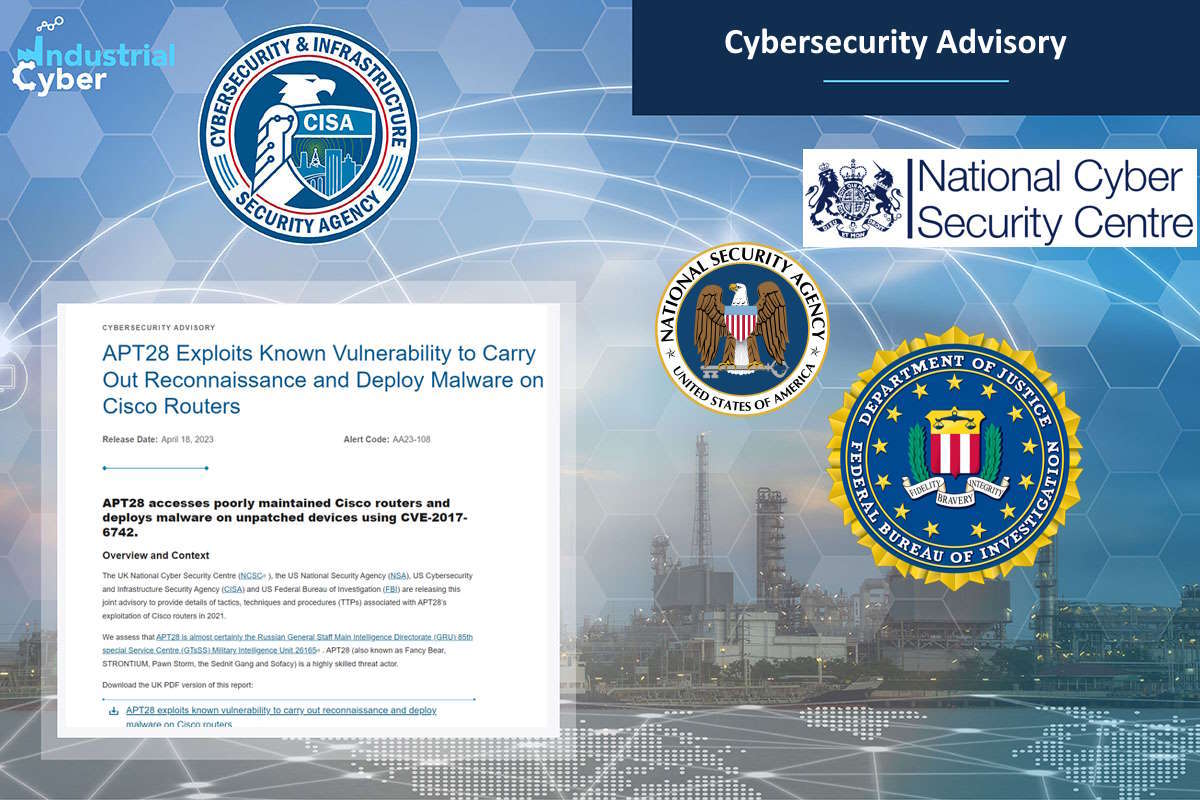
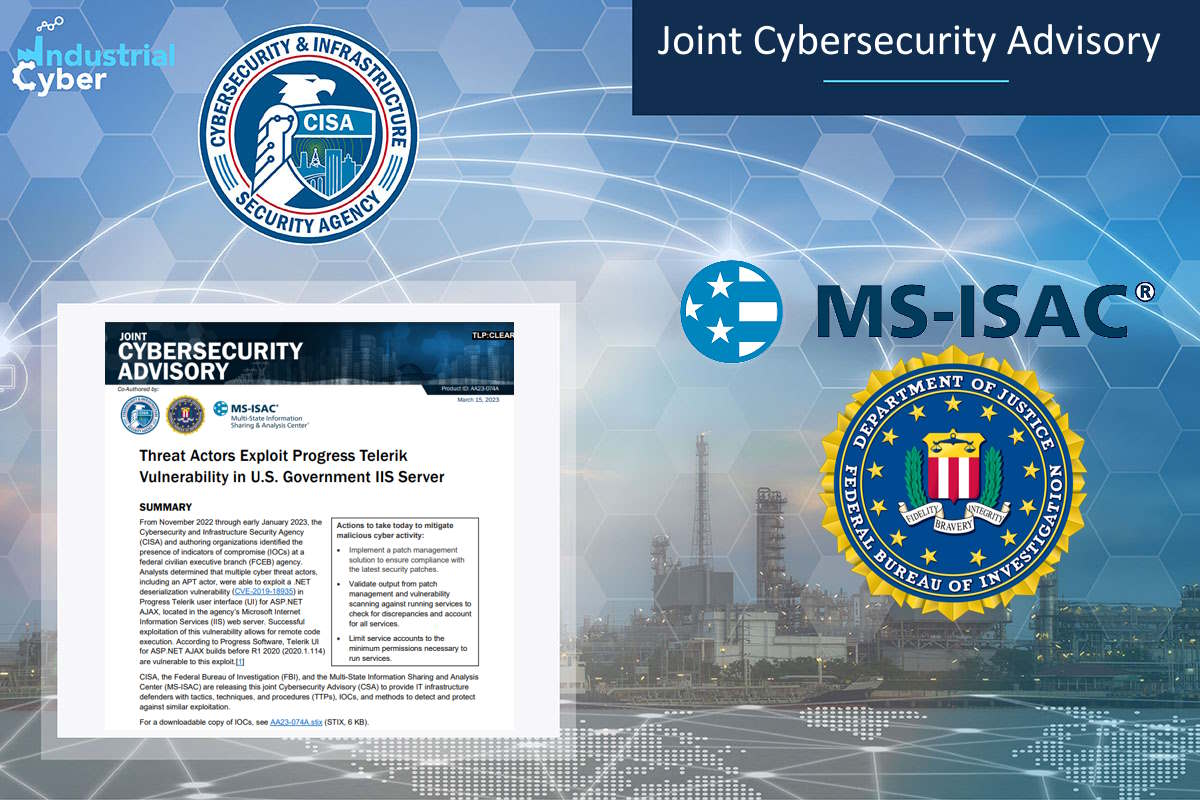
Government agencies, including national Computer Emergency Response Teams (CERTs) and authorities like CISA and the FBI, issue these warnings. They base these critical advisories on credible intelligence regarding active exploitation. Consequently, these warnings signify that hackers are already leveraging vulnerabilities against organizations globally. Past government cybersecurity advisory statements have highlighted critical flaws in various platforms, underscoring malicious actors’ sustained interest in unpatched systems. The consistent message from these agencies remains clear: proactive and immediate action is required to prevent compromise and protect company data effectively.
Essential Mitigation Strategies for Data Protection
To protect against this critical security bug and similar threats, organizations are strongly advised to implement several key strategies:
- Patch Immediately: Identify all affected systems and apply vendor-provided security patches without delay. Treat this as an emergency patching event for robust cybersecurity vulnerabilities management.
- Network Segmentation: Implement strong network segmentation. This limits the blast radius of any potential breach, preventing attackers from easily moving across the network.
- Strong Access Controls: Enforce the principle of least privilege. Ensure users and systems possess only the minimum necessary access to perform their functions.
- Continuous Monitoring: Deploy robust security monitoring tools. These tools help detect anomalous activity, unauthorized access attempts, and signs of exploitation.
- Regular Audits and Penetration Testing: Conduct frequent security audits and penetration tests. This identifies and remediates cybersecurity vulnerabilities before attackers can exploit them.
- Employee Training: Educate employees about phishing, social engineering, and common attack vectors. These often precede the exploitation of technical vulnerabilities.
By adopting a multi-layered security approach and remaining vigilant, companies can significantly reduce their exposure to current and future cybersecurity threats. This ultimately safeguards their valuable data and operations, reinforcing comprehensive data breach prevention.