

The structural integrity of the national energy network depends on the precise calibration of diverse generation sources. On April 23, Pakistan encountered a persistent Pakistan power shortfall during peak demand intervals, even as hydropower generation scaled to 5,800 megawatts. While the Power Division reported significant output increases from the Tarbela Dam, systemic fuel constraints continue to limit the grid’s total operational capacity.
Strategic Hydropower Calibration and Grid Stability
Hydropower serves as a critical catalyst for maintaining the equilibrium of the national grid. Consequently, the recent surge in water releases enabled the transmission of an additional 500 megawatts from the southern region to the central system. This architectural shift represents a 100-megawatt improvement over previous baseline performance, illustrating a more efficient energy flow across provincial boundaries.
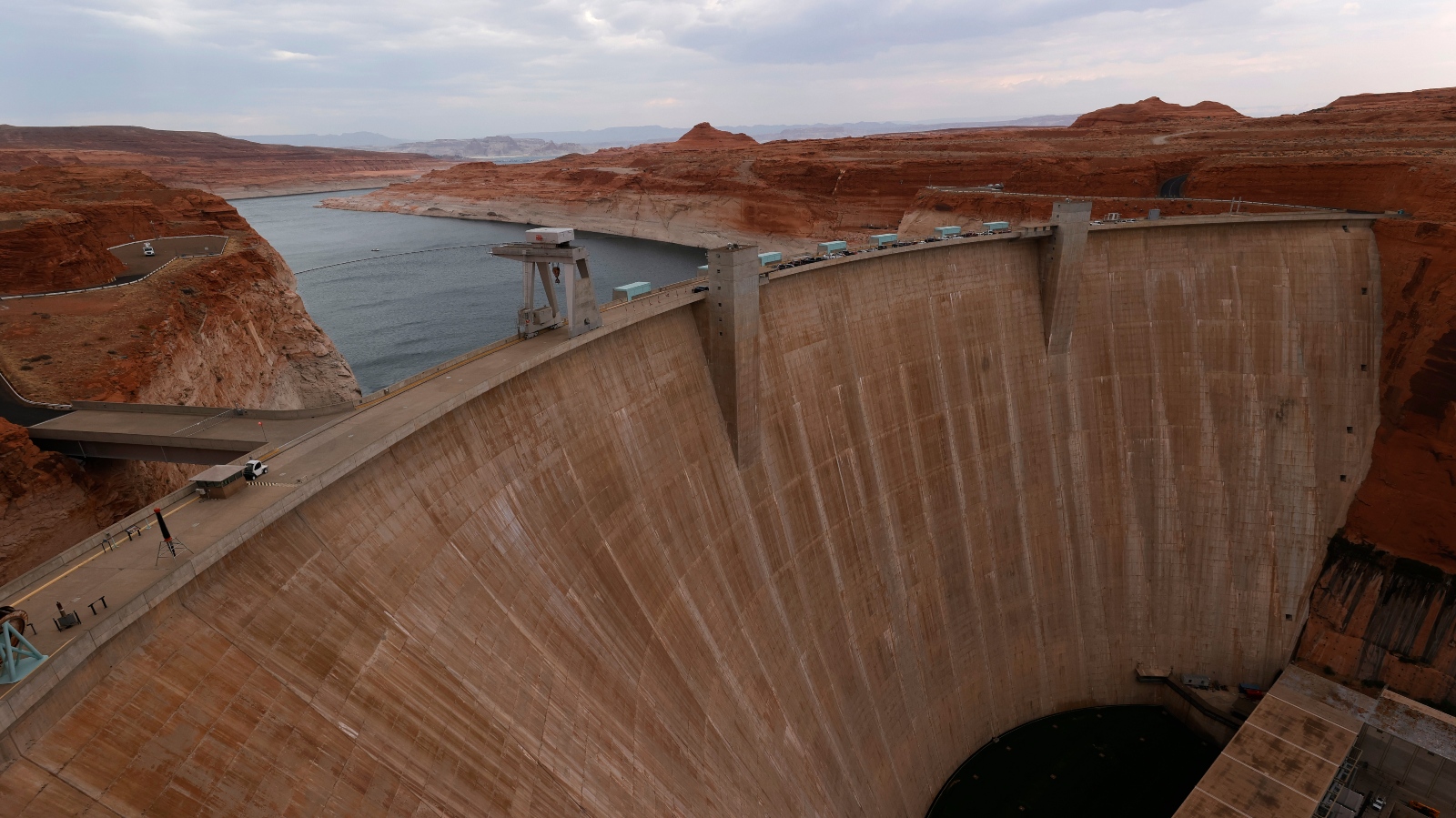
However, the country’s total hydropower potential remains anchored at 11,500 megawatts. Current output levels indicate that we are only utilizing approximately 50% of our renewable water-driven capacity. Furthermore, the Power Division confirmed that 5,500 megawatts of thermal generation capacity remain idle. This stagnation stems from global liquefied natural gas (LNG) supply constraints rather than mechanical failure.
Load Management and Economic Policy
Distribution companies implemented approximately two hours of load management during nighttime peaks to protect the system’s baseline. In contrast, the authorities clarified that economic load management on high-loss feeders remains a separate policy-driven initiative. This distinction is vital for understanding how the state prioritizes energy distribution based on regional recovery metrics.

The Situation Room: Strategic Analysis
The Translation (Clear Context)
Having a “capacity” of 11,500 MW does not mean that 11,500 MW is always available. Hydropower is seasonal and depends entirely on water release schedules for agriculture and dam levels. The current shortfall is not a failure of the turbines, but a fuel shortage; we have the “engines” (power plants) ready, but we lack the “fuel” (LNG) to run the thermal components of the grid.
The Socio-Economic Impact
For the average Pakistani household and small business, the two-hour nighttime load management creates a ceiling on productivity and comfort. While the grid is more stable than in previous cycles, the reliance on expensive imported LNG means that until hydropower or local coal takes a larger share, electricity costs and availability will remain volatile for the urban middle class.
The Forward Path (Opinion)
This development represents a Stabilization Move. While the increase in hydropower is a positive catalyst for grid balance, the 5,500 MW of idle capacity due to LNG shortages indicates a structural vulnerability. Progress will only be achieved when Pakistan shifts its baseline from imported molecules to domestic renewable and hydel generation.








