
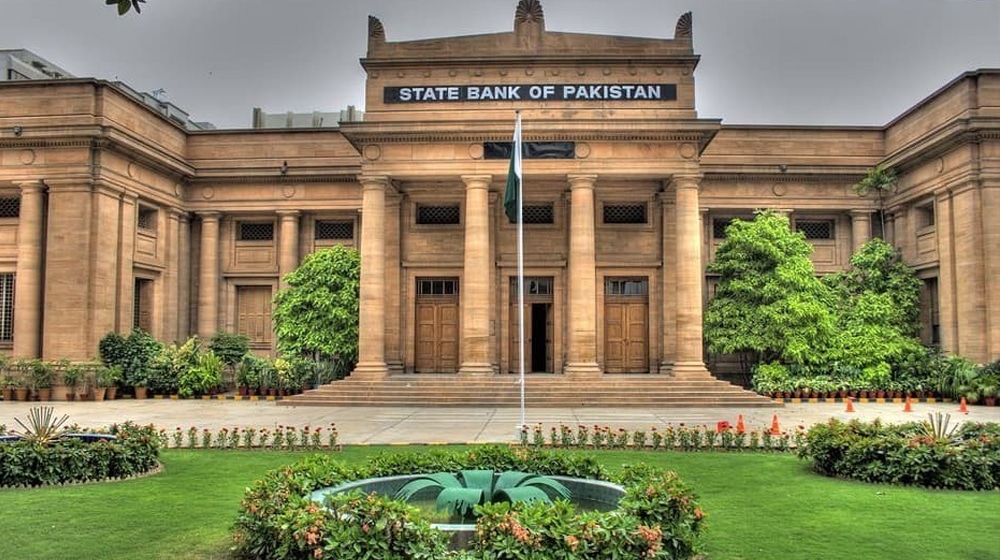
The upcoming decision regarding the SBP interest rate represents a strategic pivot in Pakistan’s economic architecture as global volatility demands a calibrated response. On April 27, 2026, the Monetary Policy Committee (MPC) will evaluate the current baseline against a backdrop of rising energy costs and geopolitical tension. Current data suggests a shift in momentum, with a majority of market participants preparing for structural tightening to stabilize the national economy.
Analyzing Market Sentiments and Fiscal Projections
According to a recent Topline Securities survey, 53% of financial experts anticipate a hike in the policy rate. Specifically, 41.2% of respondents predict an increase between 50 and 100 basis points. This sentiment contrasts sharply with previous evaluations where 92% of the market expected stability. Consequently, the evolving geopolitical landscape involving the United States, Israel, and Iran has forced analysts to revise their inflationary risks models.
Secondary market indicators further validate this outlook. Yields on six-month Treasury bills have reached 11.22%, while the Karachi Interbank Offered Rate (KIBOR) stands at 11.44%. Both metrics exceed the current 10.5% SBP interest rate, suggesting that investors have already priced in a modest adjustment. Structural efficiency requires these rates to align to prevent market distortions and maintain currency stability.
The Translation (Clear Context)
In technical terms, the market is signaling that the “cost of money” must rise to counteract external shocks. When global oil prices surge, they act as a catalyst for domestic inflation. By increasing the SBP interest rate, the central bank aims to discourage non-essential imports and limit the amount of currency in circulation. This calibrated move serves as a structural brake, slowing down price increases before they permeate the broader economy.
The Socio-Economic Impact
For the average Pakistani citizen, a higher interest rate is a double-edged sword. While it aims to curb the rising cost of groceries and fuel, it simultaneously increases the cost of borrowing. Families planning for home loans or car financing will face higher monthly installments. Conversely, for savers and pensioners, this shift represents a momentum gain, as profit rates on bank deposits and savings schemes typically follow the central bank’s lead.
The Forward Path (Opinion)
This development represents a Stabilization Move. The State Bank is not necessarily entering an aggressive tightening cycle but is instead reacting to external pressures to maintain equilibrium. Precision in this adjustment is critical; a 50-basis-point hike would serve as a strategic buffer against global energy volatility without stifling domestic industrial growth. Maintaining this balance is essential for long-term systemic efficiency.








