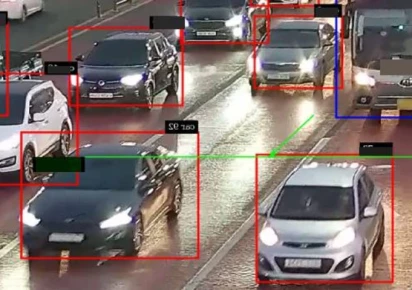
Punjab has strategically integrated its Safe Cities surveillance network to identify smoke-emitting vehicles and issue electronic fines through a newly established EPA monitoring desk. This precision-driven initiative focuses on high-emission targets to mitigate the structural causes of urban smog. Consequently, the system has already processed penalties for 211 vehicles, with total fines exceeding Rs. 1 million this month alone.
Technological Integration for Smoke-Emitting Vehicles
The transition from manual enforcement to automated surveillance represents a calibrated baseline for environmental governance. While seasonal conditions currently mask the visual impact of pollution, the EPA remains vigilant. Deputy Director Ali Ejaz noted that summer winds disperse airborne dust, yet the underlying emission data necessitates rigorous monitoring to prevent winter crises.

The Translation: System Clarity
In technical terms, the Safe Cities network now functions as an automated environmental filter. Instead of relying on stationary roadside checks, the system uses high-definition optical sensors to detect visual opacity in exhaust plumes. This data is cross-referenced with vehicle registration databases, allowing the EPA to issue e-challans without interrupting traffic flow. Essentially, the “Safe Cities” infrastructure has evolved from crime prevention to environmental stabilization.
The Socio-Economic Impact
For the average Pakistani citizen, this development signals a shift toward higher accountability for commercial and private transport owners. Improved air quality directly correlates with reduced respiratory healthcare costs for urban households. Furthermore, the regularization of emission testing, supported by private sector partnerships, creates a new market for vehicle maintenance services and professional diagnostic centers across the province.
The Forward Path: Strategic Momentum
This development represents a significant Momentum Shift in Pakistan’s environmental strategy. By moving from a pilot program to a regularized enforcement model, Punjab is building a sustainable framework for urban air quality management. The next phase must involve expanding this grid to inter-city highways to ensure that the catalyst for cleaner air reaches every corner of the country.