
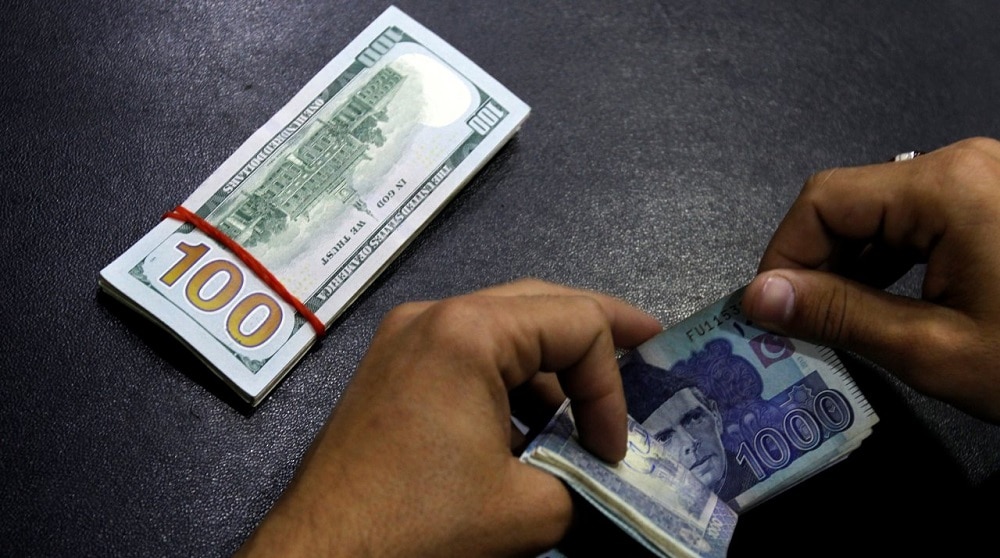
The calibration of Pakistan’s financial ecosystem is undergoing a significant structural shift as foreign currency liquidity stabilizes within the formal banking sector. Despite stringent SBP controls, US Dollar deposits in Pakistan surged to Rs. 87 billion during the first nine months of FY26. This trajectory represents a calibrated recovery from the Rs. 9 billion net withdrawal observed in the previous fiscal cycle, marking a return to institutionalized asset management.
Analyzing the Surge in US Dollar Deposits
The State Bank of Pakistan (SBP) previously implemented rigorous frameworks to limit currency outflows and monitor movement. Consequently, these measures aimed to stabilize the exchange rate and preserve reserves. However, the data confirms that demand for the greenback remains robust. The previous year saw residents diverting foreign currency into speculative cryptocurrency trading, which historically bypassed official banking channels.
The introduction of the Virtual Assets Act 2026 has served as a strategic catalyst for this change. By regulating digital assets, the government has reduced the outflow of dollars into unregulated crypto markets. Furthermore, restricted access to physical dollars—limited to $950 per identity card and $2,000 annually—has forced a transition toward formal US Dollar deposits.
The Translation: Contextualizing the Data
In simple terms, the “informal economy” is shrinking as the “formal economy” expands. Previously, Pakistanis held dollars in private lockers or digital wallets to hedge against inflation. Today, due to the Virtual Assets Act and stricter exchange company rules (such as mandatory cheque payments for rupees), that capital is flowing back into bank accounts. This shift does not necessarily mean there are more dollars in the country, but rather that existing dollars are finally being recorded within the system.
The Socio-Economic Impact
For the average Pakistani household, this movement provides a dual-edged reality. On one hand, the increased liquidity in banks helps stabilize the national reserves, which indirectly protects the purchasing power of the rupee. On the other hand, the strict limits on dollar purchases create friction for students studying abroad and professionals engaged in international trade. Ultimately, the transition to formal US Dollar deposits offers a more secure environment for long-term savings compared to volatile digital assets.
The Forward Path: Momentum or Stabilization?
This development represents a Stabilization Move. While the Rs. 87 billion surge is a positive indicator of systemic trust, it is largely a byproduct of increased regulation rather than organic economic growth. To convert this into a “Momentum Shift,” Pakistan must move beyond defensive currency controls and create proactive incentives for foreign direct investment. For now, the structural integration of these funds into the banking sector provides a necessary baseline for future financial precision.








