
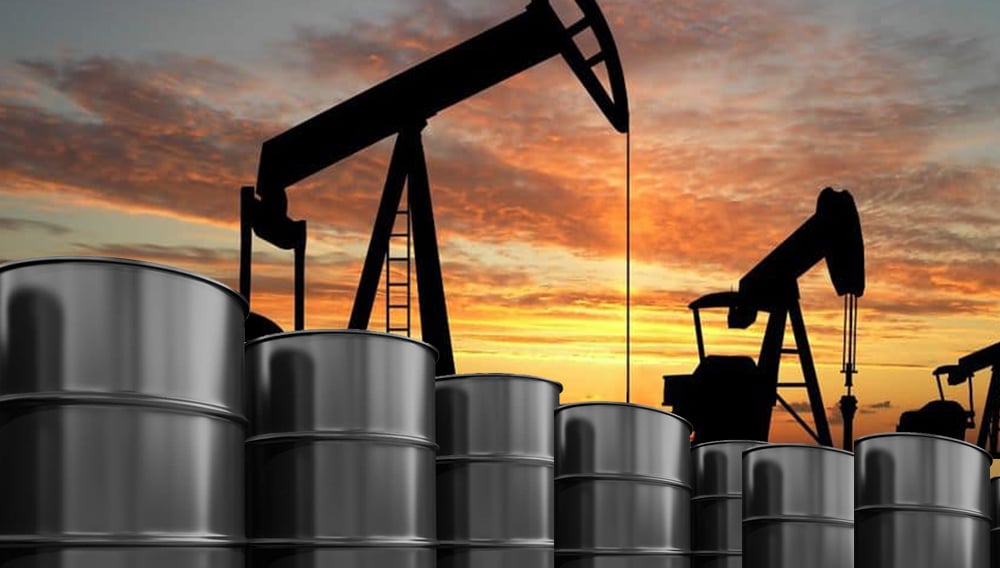
Pakistan’s decision to establish Strategic Petroleum Reserves marks a calibrated shift toward national energy sovereignty. The federal government recently formed a high-level committee to design a framework that shields the domestic economy from volatile global price shocks. Consequently, this initiative serves as a structural baseline for long-term fiscal stability and industrial continuity.
Implementing Strategic Petroleum Reserves: A National Imperative
The Ministry of Energy’s Petroleum Division issued an official notification following a high-stakes meeting led by the federal petroleum minister. This committee must submit a comprehensive implementation roadmap by May 8, 2026. By bringing together security institutions, regulators, and state-owned energy giants like Pakistan State Oil (PSO), the government aims to centralize emergency fuel management.
Furthermore, the committee will evaluate existing oil storage infrastructure to map every available facility nationwide. Private sector powerhouses, including HUBCO and various refinery operators, will contribute technical expertise to this mission. This collaborative effort ensures that the storage strategy is both technically precise and commercially viable.
The Technical Breakdown and Funding
The strategic roadmap involves a dual-layered approach. First, the committee will optimize current assets. Second, it will analyze investment requirements for building new, high-capacity reserves. These plans draw heavily on technical baseline studies from the Pakistan Institute of Development Economics (PIDE), which previously highlighted critical gaps in our fuel safety net.
- Logistics Coordination: Integration with Joint Staff Headquarters and Directorate General Logistics.
- Regulatory Oversight: Direct involvement from the Oil and Gas Regulatory Authority (OGRA).
- Financing Models: Reviewing public-private partnerships to fund large-scale storage expansion.
The Translation: What This Actually Means
In technical terms, Pakistan is building a “macro-economic shock absorber.” Currently, our economy remains vulnerable to any shipment delay in the Arabian Sea or price spikes in the Middle East. By establishing Strategic Petroleum Reserves, the state effectively creates a physical savings account of oil. This ensures that even if global supply chains fracture, the nation maintains a calibrated flow of energy to power essential services.
The Socio-Economic Impact
For the average Pakistani citizen, this development is a catalyst for price predictability. When global oil prices surge, the government often has no choice but to pass the cost to the consumer immediately. However, a robust storage system allows the state to release cheaper, stored oil into the market during crises. This stabilizes transport costs for students, prevents sudden surges in food prices, and provides a reliable baseline for industrial production.
The Forward Path: Momentum Shift
This move represents a definitive Momentum Shift. For decades, Pakistan operated on a “just-in-time” supply model, which is inherently risky for a developing nuclear power. Transitioning to a “just-in-case” strategic reserve model demonstrates high-level foresight. While the 2026 deadline requires disciplined execution, the structural intent signals that Pakistan is finally treating energy security as a non-negotiable pillar of national defense.








