
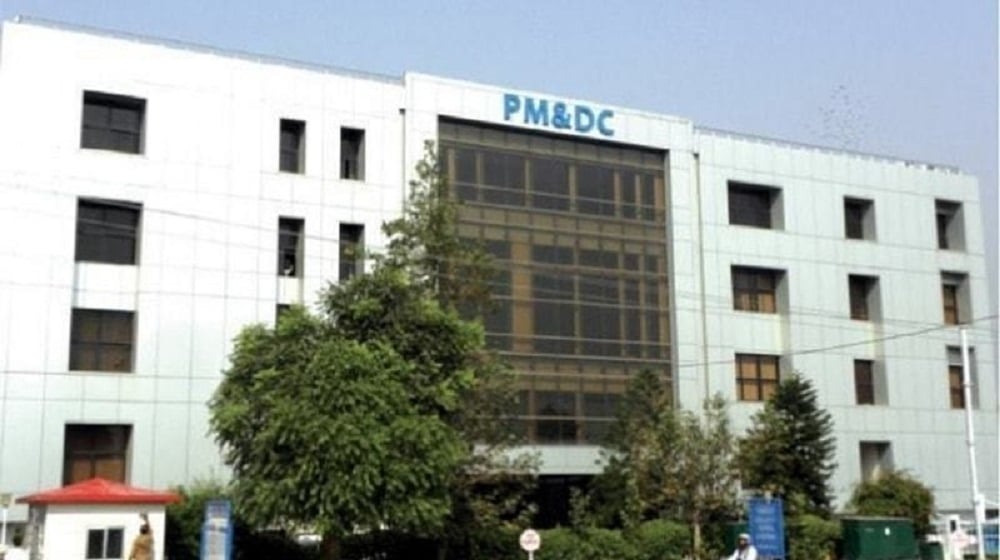
The Pakistan Medical and Dental Council (PMDC) has activated a calibrated PMDC disciplinary probe to address systemic failures within national medical institutions. This strategic move follows the tragic suicides of two medical students and a high-profile operating theater (OT) video scandal. PMDC President Rizwan Taj confirmed that the council concluded preliminary hearings this week, effectively transitioning these cases to the Disciplinary Committee for final adjudication. The council aims to establish a precision-based factual record to ensure that institutional negligence does not go unchecked.
Structural Accountability: The OT Scandal and Student Safety
The first phase of the PMDC disciplinary probe focused on the “OT video leak scandal” involving postgraduate trainees at Lady Wellington Hospital, Lahore. Five doctors, including Tayaba Fatima and Zainab Tahir, appeared before the council to answer for the circulation of inappropriate social media content. The evidence reveals a callous environment where doctors engaged in unprofessional behavior during active surgeries. Consequently, the PMDC is evaluating the structural failure of supervision within the hospital’s surgical department.
Simultaneously, the council addressed the heartbreaking suicides of Fareeha from Fatima Jinnah Medical College and Fehmida Leghari from Muhammad Medical College. Principals from both institutions provided baseline data regarding their student protection protocols. The PMDC is now investigating whether these institutions maintained the necessary grievance redressal mechanisms to prevent such tragedies. Taj emphasized that the council will enforce strict action against any entity violating student safety policies.
The Translation: Decoding Regulatory Action
In “Next Gen” terms, the PMDC is shifting from passive oversight to active enforcement. A “preliminary hearing” is not merely a meeting; it is a structural audit designed to filter out rumors and identify actionable evidence of misconduct. By referring these cases to the Disciplinary Committee, the PMDC is signaling that the evidence meets a high threshold for formal legal consequences. This process transforms abstract ethical guidelines into enforceable institutional mandates.
The Socio-Economic Impact: Protecting the Future Workforce
This development directly impacts every Pakistani household that invests in medical education. When medical institutions fail to protect the mental health of students or the privacy of patients, the entire national healthcare baseline suffers. Ensuring a safe learning environment reduces the “brain drain” of talented professionals and restores public trust in the sanctity of the operating room. For the average citizen, this means future doctors will be trained in environments that prioritize precision, empathy, and professional integrity.
The Forward Path: A Stabilization Move
We categorize this development as a Stabilization Move. While the PMDC is correctly exercising its disciplinary power, true progress requires more than just reactive hearings. We need a catalyst for proactive mental health support systems across all medical colleges. This probe serves as a necessary baseline for accountability, but the momentum shift will only occur when institutional culture prioritizes student well-being as highly as academic output.








