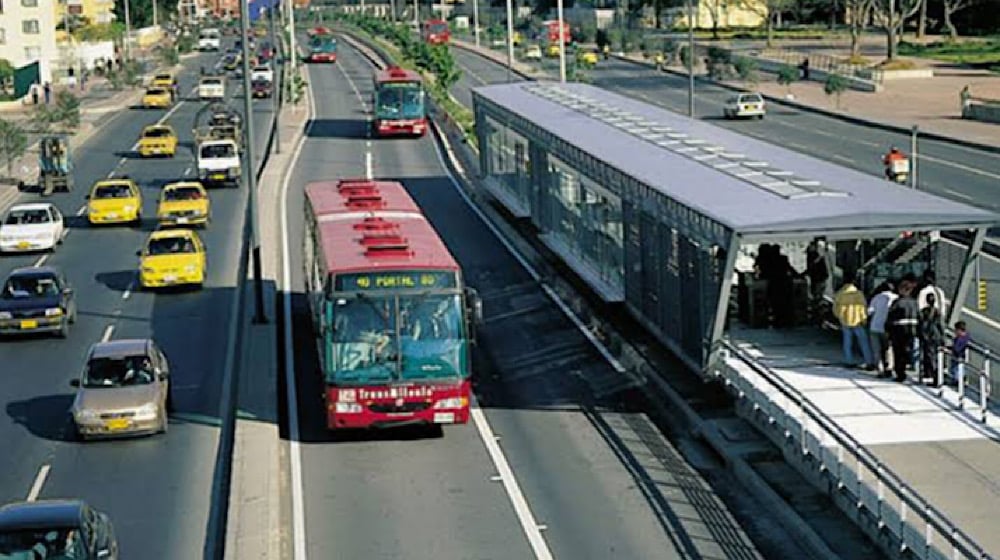
The Sindh government recently initiated a calibrated restructuring of the BRT Red Line project by terminating the Lot-2 construction contract. Senior Minister Sharjeel Inam Memon confirmed that the Mosamiyat to Numaish segment will undergo a strategic redistribution among multiple contractors to address systemic delays. This shift aims to restore project momentum and establish a baseline for rapid urban transit delivery in Karachi.
Calibrating Infrastructure Delivery: The Strategic Pivot
The previous contractor failed to meet precision benchmarks despite government efforts to accommodate rate escalations. Consequently, the Asian Development Bank (ADB) and local stakeholders expressed structural concerns regarding the sluggish pace and environmental impact. By splitting the remaining workload into smaller, manageable packages, the government intends to catalyze the construction phase through competitive, specialized execution.
The Translation (Clear Context)
Technically, the Lot-2 termination signifies a transition from a centralized contracting model to a decentralized, multi-vendor framework. This strategy reduces the risk of total project stagnation if one contractor fails. By breaking the BRT Red Line project into granular segments, the government can apply parallel processing techniques, allowing multiple zones of University Road to see progress simultaneously rather than sequentially.
The Socio-Economic Impact
For the average Karachi resident, this structural adjustment targets the daily friction on University Road. Commuters currently face significant “time-poverty” due to bottlenecks and dust pollution. A streamlined completion of the BRT Red Line project will reduce fuel expenditure for households and increase the accessibility of educational hubs. Ultimately, efficiency in transit is a direct catalyst for higher urban productivity.
The Forward Path (Opinion)
This development represents a Momentum Shift. While contract termination often signals past failure, the decision to pivot to a multi-contractor “emergency” model demonstrates a strategic recognition of system inefficiencies. For Pakistan’s urban infrastructure to evolve, the government must prioritize accountability over vendor loyalty. This move establishes a necessary precedent for precision in public works.