

Punjab Chief Minister Maryam Nawaz recently approved the Disease Prevention Program, a calibrated initiative designed to mitigate the spread of high-burden illnesses across the province. This strategic framework prioritizes the eradication of diabetes, tuberculosis (TB), HIV/AIDS, and hepatitis through advanced clinical protocols and systemic public awareness. Consequently, the provincial government aims to transition from a reactive healthcare model to a precision-driven preventive baseline.
Scaling the Disease Prevention Program for Systemic Resilience
To ensure the program’s efficacy, the Chief Minister directed health authorities to strictly enforce Standard Operating Procedures (SOPs) within public medical facilities. Furthermore, she empowered the Punjab Healthcare Commission to monitor private sector compliance, ensuring a unified standard of patient safety. By eliminating medical quackery through aggressive legal action, the administration is effectively purging unsafe practices from the healthcare landscape.
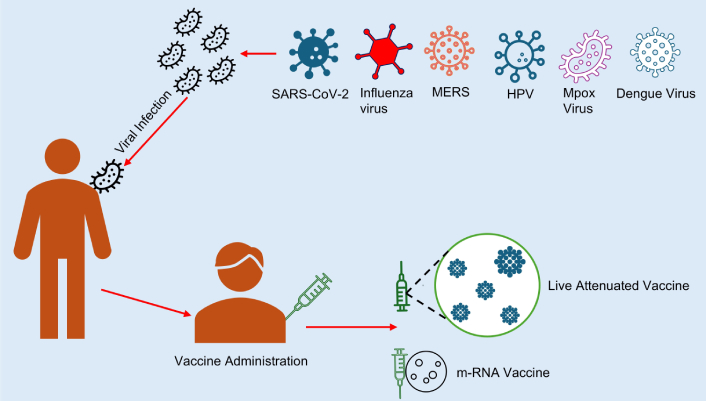
The Translation: Technical Context
The “Next Gen” logic behind this move is the optimization of health resource allocation. Instead of exhausting the provincial budget on late-stage treatments, the Disease Prevention Program focuses on “Upstream Intervention.” By identifying symptoms early and standardizing hospital safety, the government reduces the overall viral load in the community, preventing localized outbreaks before they escalate into systemic crises.

The Socio-Economic Impact
For the average Pakistani citizen, this initiative directly correlates with increased household financial stability. Preventing chronic illnesses like Hepatitis or TB prevents the “poverty trap” often caused by catastrophic out-of-pocket medical expenses. Additionally, a healthier workforce boosts national productivity, as fewer workdays are lost to manageable diseases. This program essentially serves as an economic stabilizer for urban and rural families alike.

The Forward Path: Strategic Assessment
This development represents a significant Momentum Shift in Pakistan’s healthcare trajectory. While previous efforts focused on infrastructure, this program emphasizes structural accountability and preventive discipline. The success of this catalyst will depend on the sustained enforcement of hospital SOPs and the continued suppression of unauthorized medical practitioners. If executed with precision, it sets a new baseline for provincial health governance.








