The M6 Motorway project represents a structural milestone in Pakistan’s national infrastructure development, bridging the final gap in the Peshawar–Karachi corridor. The National Highway Authority (NHA) and Asian Development Bank (ADB) have officially signed a collaborative agreement to develop two vital sections of the 120-kilometer motorway via a Public-Private Partnership (PPP) model. Consequently, this initiative establishes a calibrated baseline for future large-scale engineering endeavors in the region.
Optimizing the M6 Motorway Project Infrastructure
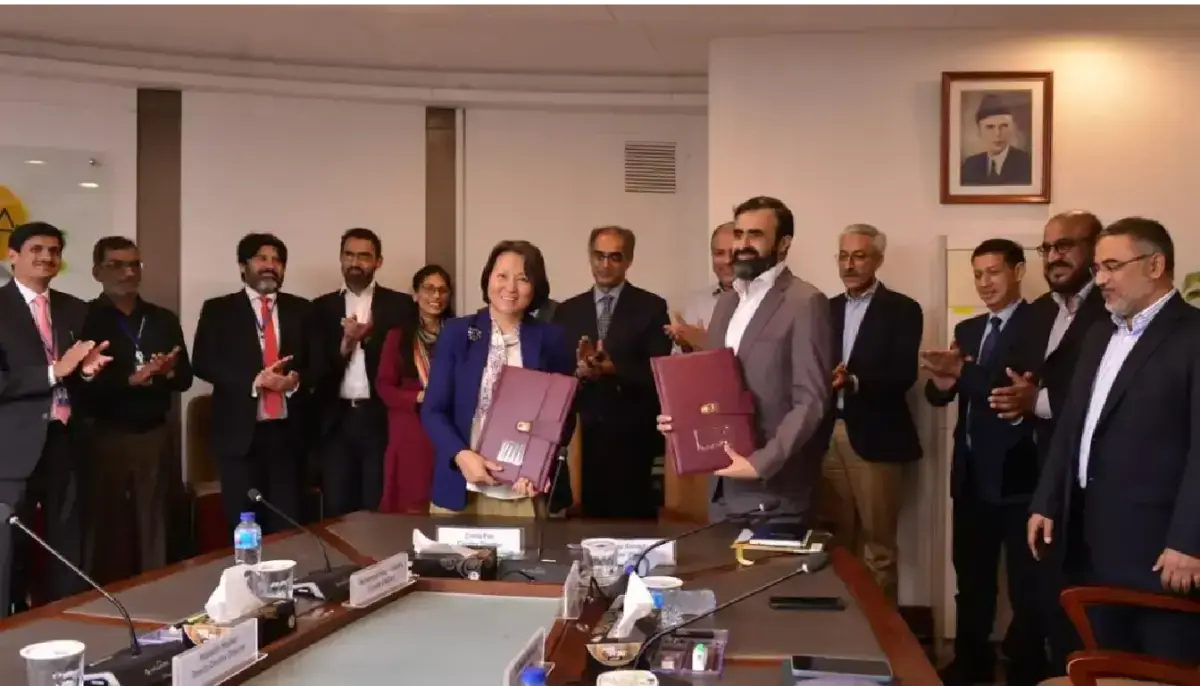
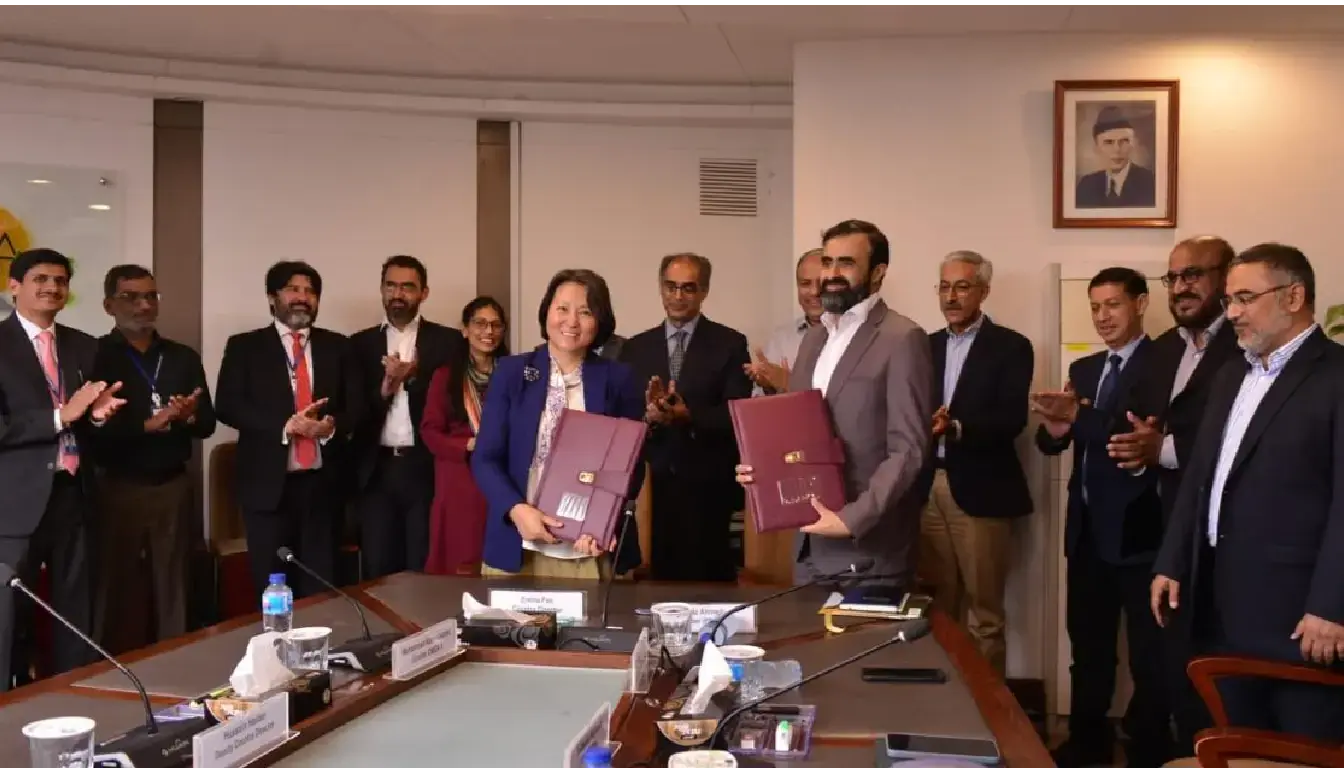
The formal signing ceremony featured key leaders, including ADB Country Director Emma Fan and NHA Member PPP Ijaz Ahmed. Furthermore, technical experts like Dr. Shafeeq Ahmad and Syed Hussain Haider witnessed the proceedings. Under this strategic framework, the ADB will provide high-level advisory support to ensure the project maintains commercial viability and financial closure.
The Translation: Decoding the PPP Strategic Framework
In simple terms, this agreement transitions the M6 Motorway project from a traditional government-funded model to a sophisticated Public-Private Partnership. ADB acts as the precision architect, conducting feasibility studies and structuring a “bankable” deal. This means they are creating a transparent system that makes the project attractive to international private investors. Consequently, Pakistan can build world-class roads without placing the entire financial burden on the national treasury.
- Advisory Support: Development of bankable PPP structures.
- Procurement Transparency: Attracting global private sector participation.
- Modern Infrastructure: 120 kilometers of six-lane motorway with smart traffic systems.
The Socio-Economic Impact: Empowering the National Corridor
The construction of the Hyderabad–Sukkur stretch directly influences the daily lives of millions of Pakistani citizens. By integrating modern tolling and safety systems, the project reduces travel time and logistical overheads for trade. For households, this translates to more affordable goods through improved logistics efficiency. Specifically, it connects the agricultural and industrial hubs of Sindh to the broader national trade network, acting as a catalyst for regional prosperity.
The Forward Path: A Catalyst for Progress
This development represents a significant Momentum Shift for Pakistan’s economic architecture. By utilizing the expertise of the ADB, the NHA is moving toward a more sustainable and technologically advanced road network. This project is not merely about maintenance; it is a strategic expansion that completes the high-speed north-south artery. Ultimately, this precision-led approach ensures that Pakistan remains competitive in the global trade landscape.