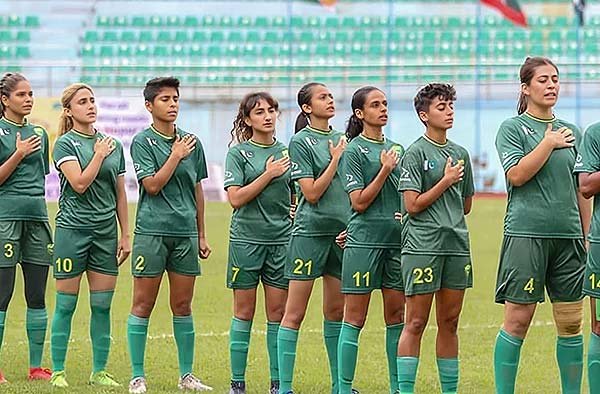
The intersection of regional diplomacy and athletic infrastructure often dictates the trajectory of national progress. Consequently, Pakistan has officially withdrawn from the upcoming SAFF Women’s Championship in India. This tactical exit, driven by ongoing political tensions, necessitates a structural recalibration of the regional tournament. Instead of the original lineup, the competition will now proceed as a precision-focused six-team event.
Structural Realignment: Tournament Grouping
The South Asian Football Federation (SAFF) has confirmed the updated draw for the tournament in Goa. Although Pakistan’s absence reduces the participant count, the remaining teams remain calibrated for high-level competition. The tournament is scheduled to run from May 25 to June 7, 2026.
- Group A: Nepal, Sri Lanka, and Bhutan.
- Group B: India (Hosts), Bangladesh, and Maldives.
Furthermore, this adjustment forces a shift in the competitive baseline. Group B, originally intended for four teams, now mirrors the three-team structure of Group A. Consequently, the tournament efficiency remains intact despite the loss of regional diversity.
The Translation: Breaking Down the Logic
In high-performance sports, political friction acts as a systemic barrier to development. When diplomatic channels freeze, the athletic sector often experiences a forced “baseline reset.” The withdrawal from the SAFF Women’s Championship is not merely a missed event; it is a calculated response to external environmental variables. This move prioritizes national policy over short-term visibility, though it temporarily halts the competitive momentum of the female squad.
The Socio-Economic Impact
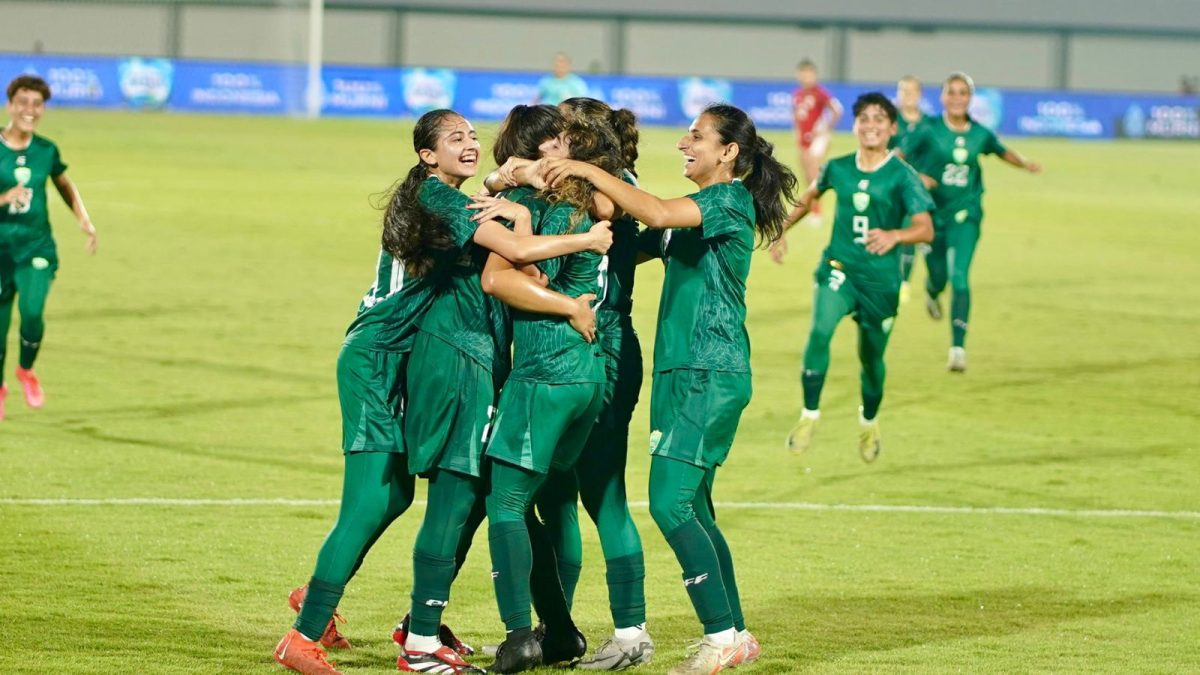
This development directly impacts the career trajectories of Pakistani female athletes. For professional players, regional tournaments like the SAFF Women’s Championship serve as a catalyst for international scouting and professional growth. Domestic households and aspiring young athletes lose a visible benchmark for success, which can slow the socio-economic advancement of women in sports. However, the decision protects the delegation from potential diplomatic instability during the Goa-based event.
The Forward Path: Strategic Analysis
From a STEM-driven perspective, this move represents a Stabilization Move. While it inhibits immediate progress (Momentum Shift), it prevents the systemic risk associated with operating in a high-friction diplomatic environment. To maintain growth, Pakistan must now pivot toward alternative international fixtures and domestic league optimization. Precision planning in the offseason will be the only way to recover the lost competitive data from this tournament.