

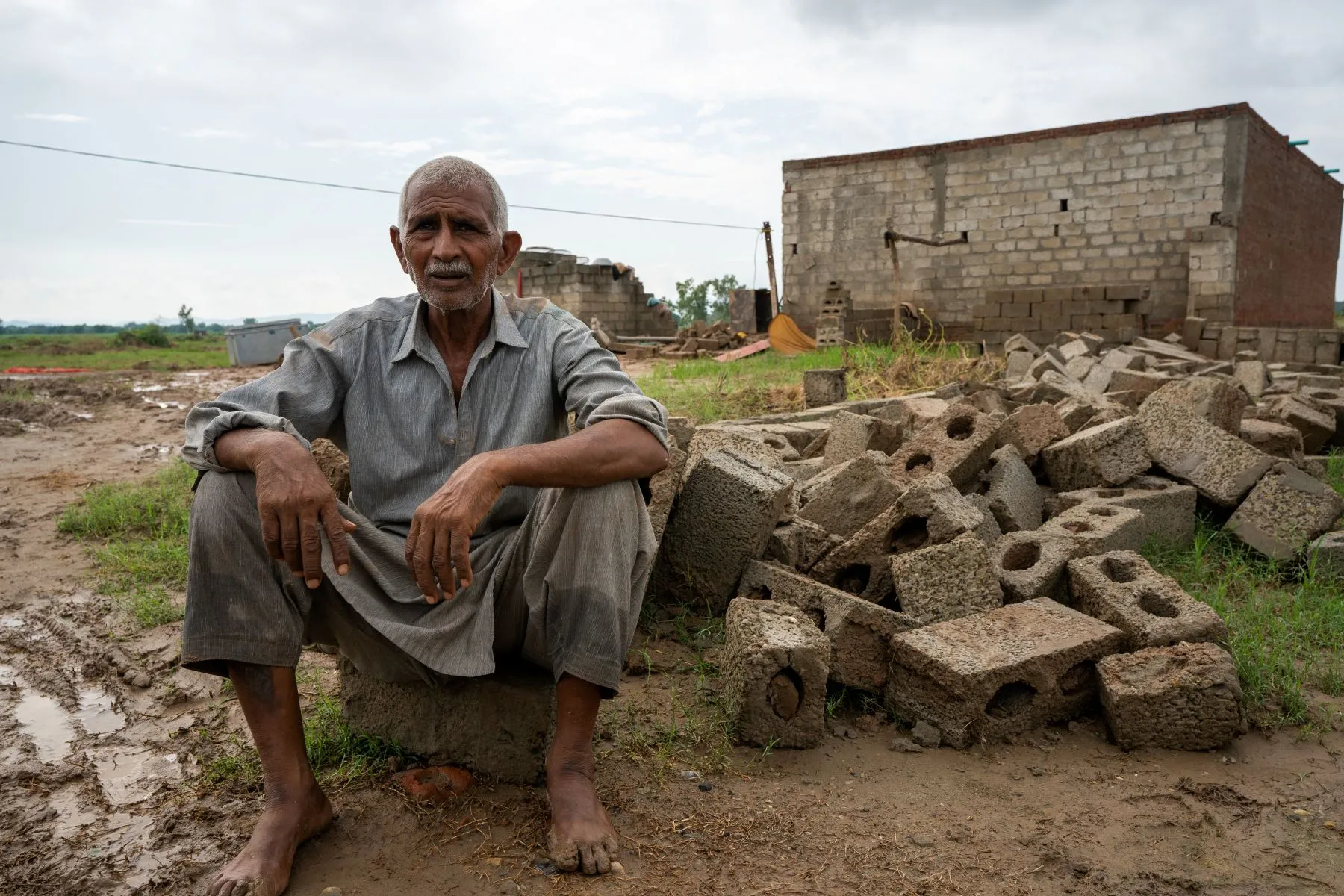
The structural integrity of Pakistan’s workforce faces a critical baseline shift following the recent climate disaster. This systemic Pakistan employment crisis has impacted approximately 3.3 million livelihoods, according to data released by the International Labour Organisation (ILO). Consequently, the nation must pivot toward high-precision recovery strategies to stabilize the economic foundation of affected districts.
Calibrating the Impact on Industrial and Agricultural Sectors
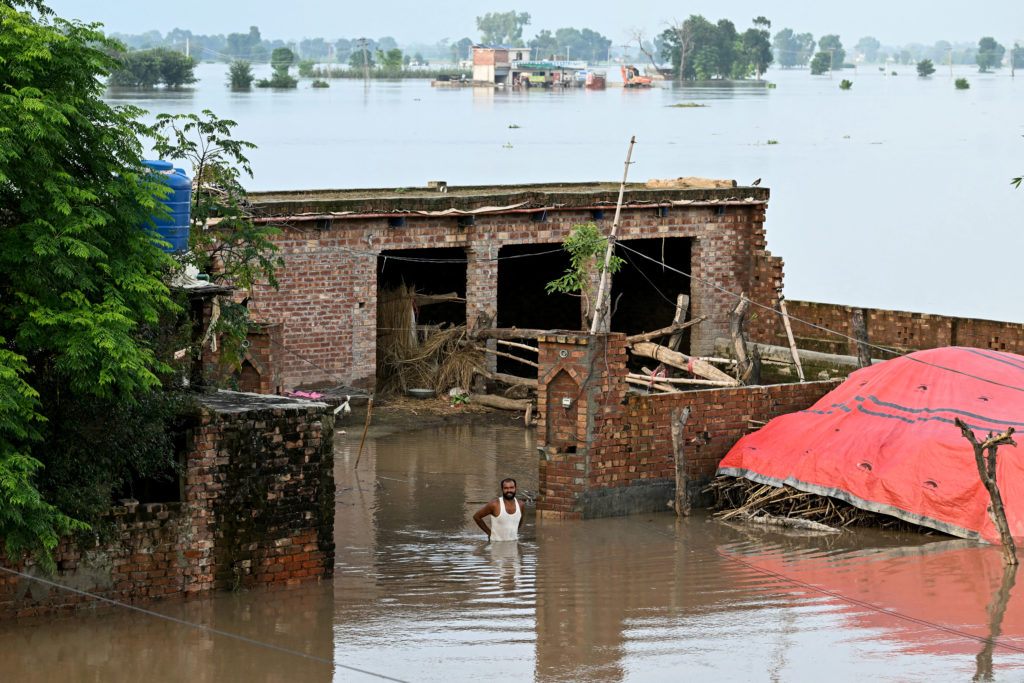
Specifically, the ILO assessment identifies 14 districts across Punjab and Khyber Pakhtunkhwa as the primary zones of disruption. Punjab currently accounts for the highest concentration of job losses and infrastructure damage. Rural regions bore 78 percent of these losses, highlighting a severe vulnerability in our agriculture-dependent supply chains.

Furthermore, the disruption moved from the primary agriculture sector into the services and industrial tiers. Although provincial governments provided immediate compensation, the current funding levels remain insufficient to restore long-term economic activity. Therefore, authorities are advocating for cash-for-work programs and subsidized credit to reactivate small-scale farming units.
Strategic Resource Allocation for Workforce Recovery
Chaudhry Salik Hussain, Minister for Overseas Pakistanis and Human Resource Development, emphasized that the floods severely destabilized self-employed and daily wage workers. In response, the Ministry is collaborating with development partners to implement employment-intensive recovery initiatives. These programs will focus on building economic resilience through skills training and targeted financial catalysts.
Moreover, Geir Tonstol, Country Director of ILO Pakistan, stressed that restoring employment must be the central pillar of the national recovery architecture. He urged the revival of the World of Work Crisis Response Strategy. This framework, originally developed after the 2022 floods, ensures future responses are more coordinated and precise in protecting national livelihoods.
The Situation Room Analysis
The Translation (Clear Context)
While “3.3 million jobs affected” sounds like a temporary statistic, it represents a structural collapse of local economies. In “Next Gen” terms, this means the machinery of rural trade has stalled. When agricultural yield fails, the flow of capital to services and local industry stops entirely, creating a secondary wave of economic stagnation that requires more than just one-time aid to fix.
The Socio-Economic Impact
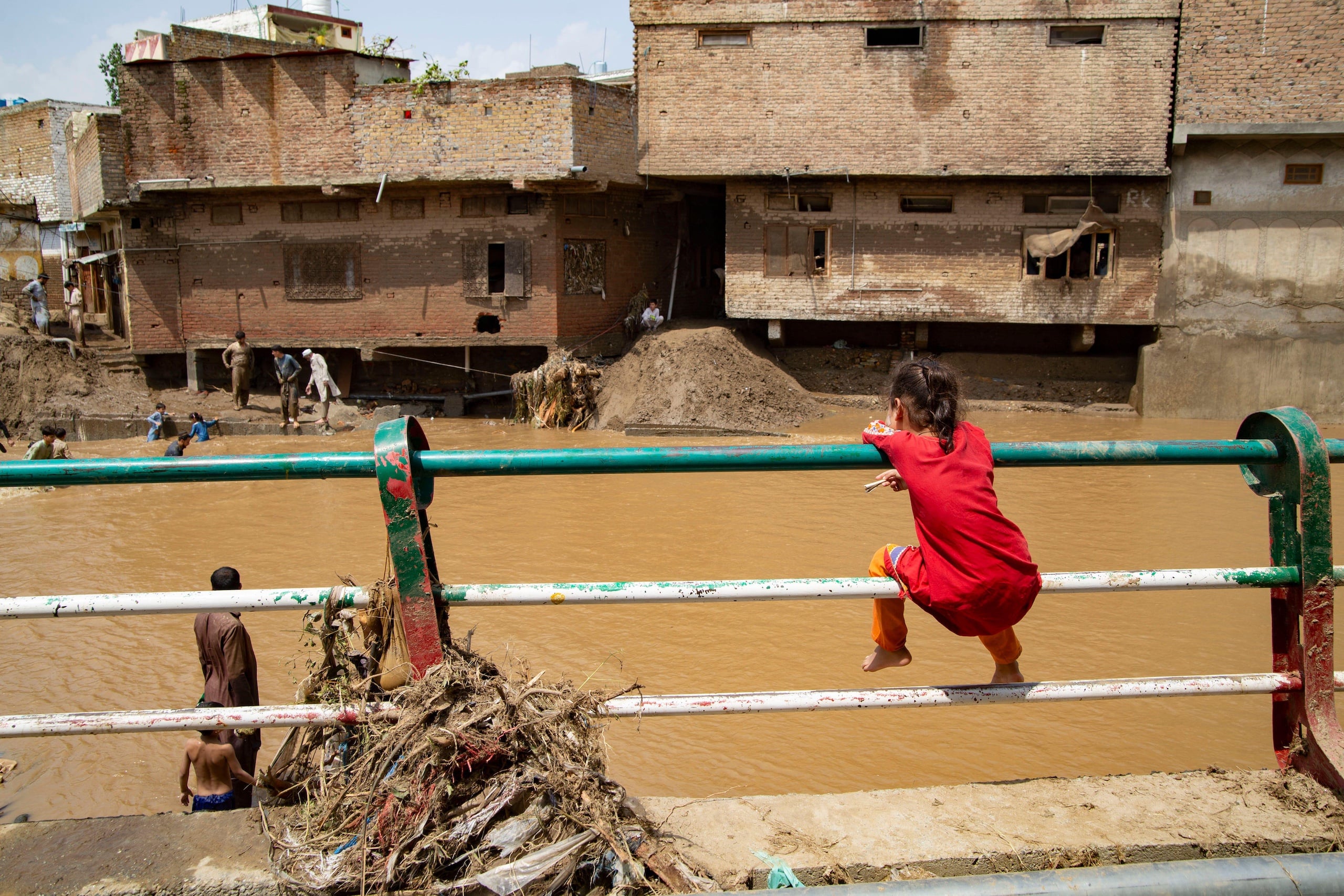
For the average Pakistani citizen in Swat or Southern Punjab, this crisis manifests as a total loss of purchasing power. Students may face education gaps as family incomes vanish, and professionals in urban centers will likely see a spike in food inflation as supply chains remain broken. The impact is a regression in the quality of life for millions of households who were already navigating economic volatility.
The Forward Path (Opinion)
This development is a Momentum Shift that necessitates a total redesign of our climate-labor nexus. Simply rebuilding what was lost is a “Stabilization Move” that leaves us vulnerable to the next monsoon. We must integrate digital labor platforms and climate-resilient farming credit now. True progress will be measured by how quickly we transition these 3.3 million workers from “disaster relief” to “sustainable industry.”








