

The structural equilibrium of the global energy architecture has reached a critical failure point, suggesting that the global oil crisis will persist long after a diplomatic resolution is reached between the US and Iran. According to a strategic baseline report by HFI Research, the energy market has already crossed a “breaking point.” Consequently, severe pressure will remain on global supplies for several months as logistical delays and structural outages continue to drain existing inventories.
Structural Resilience and the Global Oil Crisis
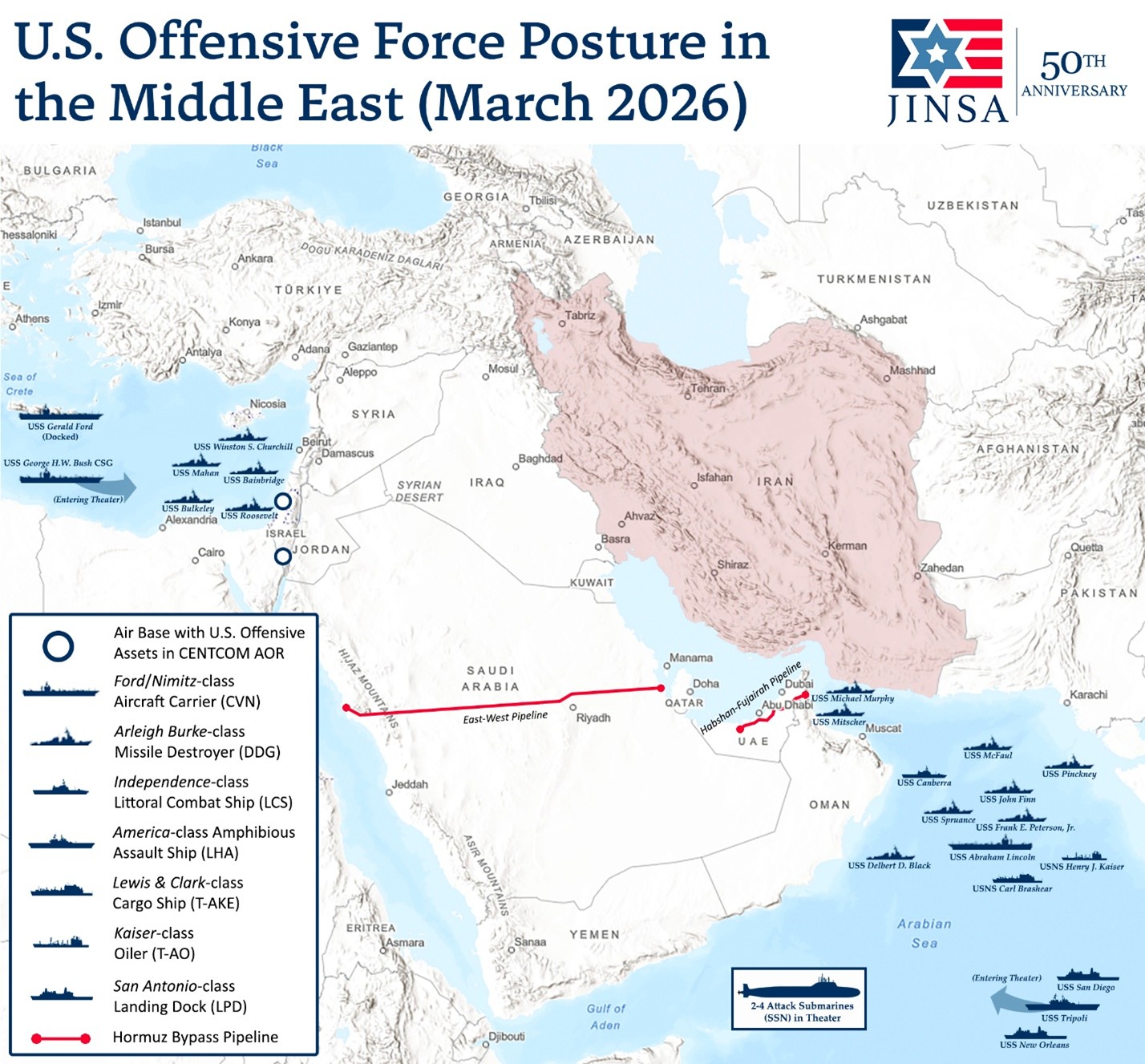
HFI Research estimates that the market currently faces a staggering supply outage of 11 to 13 million barrels per day. This deficit will manifest through aggressive crude storage draws and significant demand destruction. Even a sudden ceasefire cannot rebalance the ecosystem quickly because of physical constraints. For instance, approximately 160 million barrels remain trapped in floating storage. These assets require 30 to 40 days to reach the shore, plus an additional 20 days for tanker turnaround.
The Logistical Complexity of Tanker Traffic
Precision in understanding the logistics chain is vital for accurate forecasting. Currently, 70 very large crude carriers (VLCCs) are diverted to US-Asia export routes. These vessels face cycle times stretching up to three months before they can return to Middle East routes. Therefore, meaningful traffic through the Strait of Hormuz will not resume for a fiscal quarter, even if the route reopens today. This extended logistics chain serves as a catalyst for prolonged market instability.
Refinery Outages and Inventory Depletion
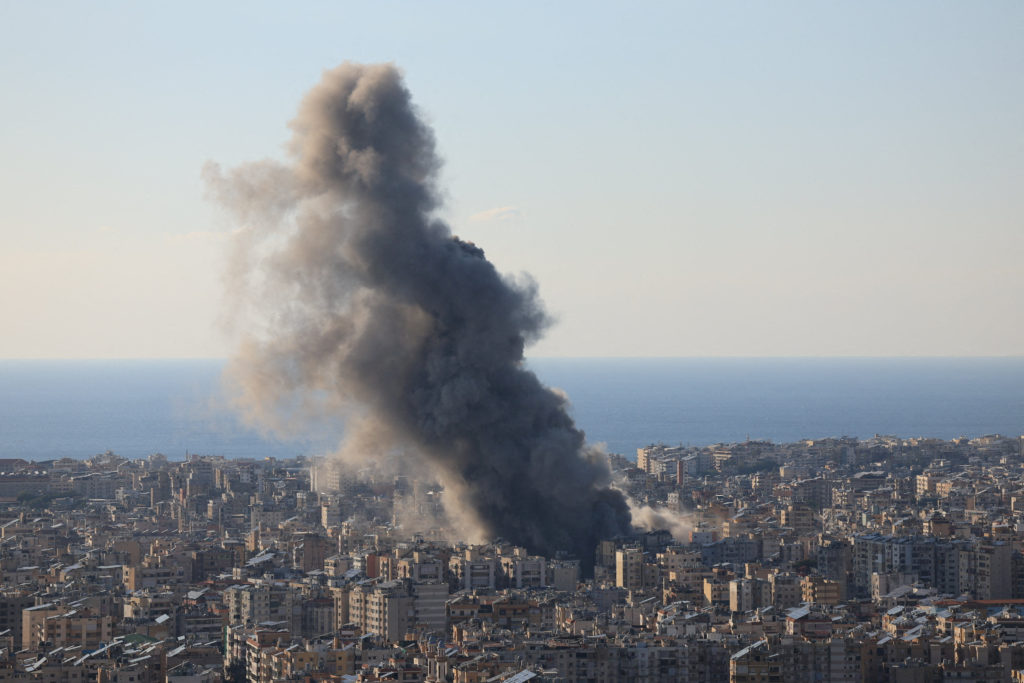
Global refinery outages currently exceed 5 million barrels per day. Significantly, the Middle East accounts for 3 million barrels of this total outage. This reduction further tightens the global oil crisis despite steady consumer demand. HFI Research forecasts that cumulative storage losses will reach 1.2 billion barrels by late April and could escalate to nearly 2 billion barrels by the end of June. In the United States, crude storage is projected to drop below 400 million barrels, nearing the absolute operational minimum.
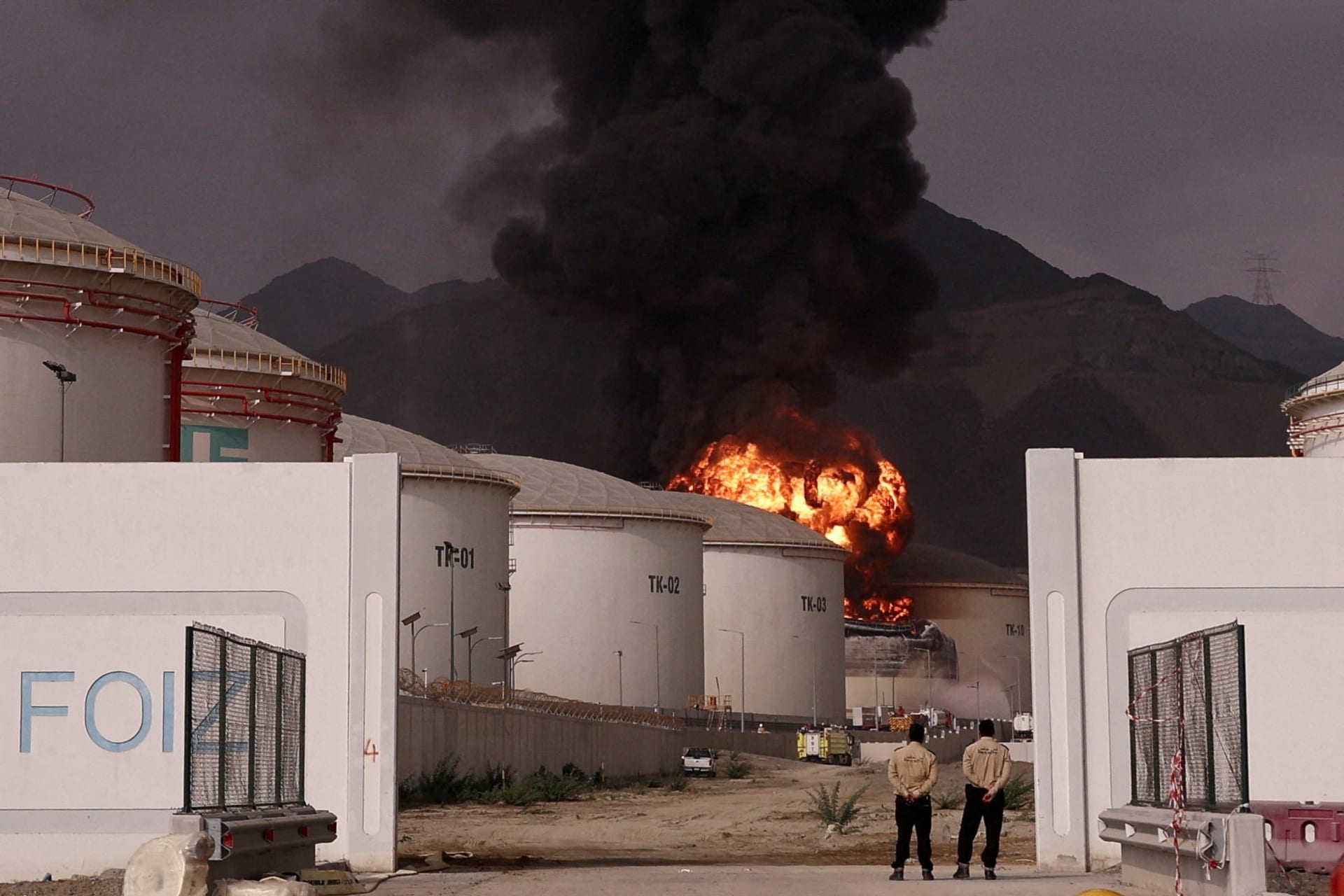
Strategic intervention remains the only stabilization tool. HFI warns that only large-scale demand destruction or direct policy restrictions on exports could calibrate the market. Without these shifts, the inventory drawdowns will continue to exert upward pressure on prices, regardless of diplomatic breakthroughs.

The Translation: Breaking Down the Lag
In simple terms, “peace” does not equal “petrol” overnight. The energy market is like a massive cargo ship; you cannot turn it on a dime. The delay stems from the physical distance tankers must travel and the time required to repair refineries. Even if the war ends, the “pipeline” of supply is empty, and it will take months of calibrated effort to refill the global storage tanks.
The Socio-Economic Impact: What it Means for Pakistan
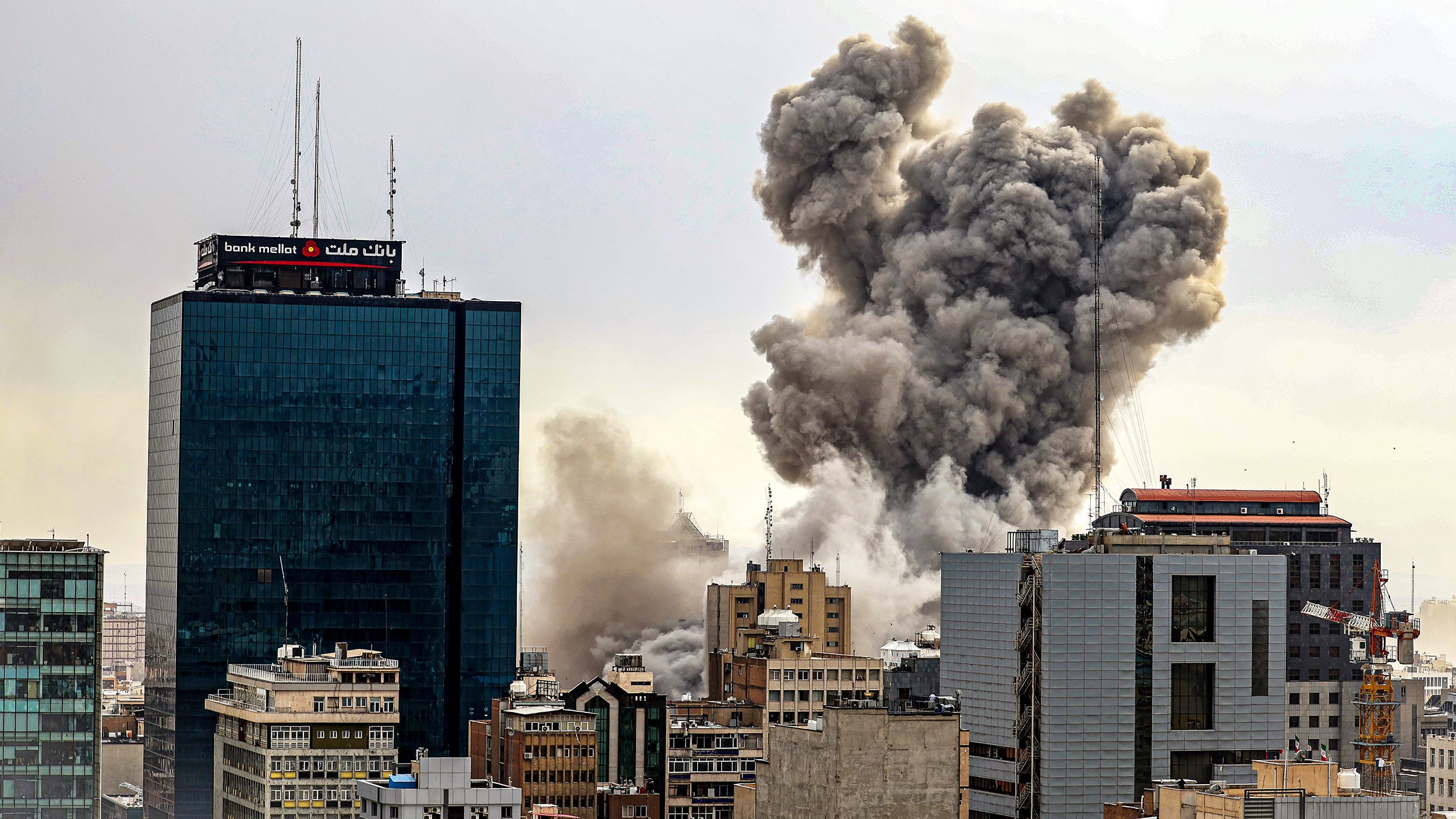
For the average Pakistani citizen, this means that fuel prices at the pump will likely remain high despite headlines of a “peace deal.” Since Pakistan is a net importer of refined petroleum, the 5 million barrel refinery outage directly increases the cost of imports. This sustains inflationary pressure on transport and electricity. Households should prepare for a “long tail” of high costs as the global supply chain slowly recalibrates.

The Forward Path: Strategic Assessment
This development represents a Stabilization Move rather than a momentum shift. While a ceasefire is a necessary catalyst for recovery, it only marks the beginning of a multi-month normalization process. We are moving from “Active Crisis” to “Structural Recovery,” which requires disciplined energy management and precise economic planning to navigate the remaining inventory deficit.








