
Pakistan’s electricity supply has entered a phase of calibrated stabilization, yet systemic inefficiencies leave 5,500 MW of LNG-based capacity idle. While increased hydropower and southern region transfers bolster the grid, structural theft-based load management remains a baseline reality for the national energy sector. Consequently, the Power Division continues to navigate a fragile balance between generation potential and fuel availability.
The Structural Gap: 5,500 MW of Idle Capacity
The Power Division spokesperson confirmed that electricity supply has improved significantly since mid-April. However, a significant portion of the infrastructure remains on “ventilator” status. High-precision LNG plants, capable of generating 5,500 megawatts, sit completely dormant. This paralysis stems directly from the unavailability of fuel rather than mechanical failure. Once the LNG supply chain is recalibrated and restored, these plants will serve as a catalyst for full grid recovery.

Strategic Hydropower Gains and Peak Management
Increased water releases from dams have strategically elevated hydropower generation to 5,000 megawatts during peak night hours. Furthermore, an additional 400 megawatts transferred from the southern region has stabilized the national grid. This technical maneuver supported the central areas, ensuring that no load management was required during the nights of April 17, 18, and 19. By April 20, most distribution companies maintained a disciplined schedule of only one hour of nighttime load management.

Differentiating Theft-Based Load Management
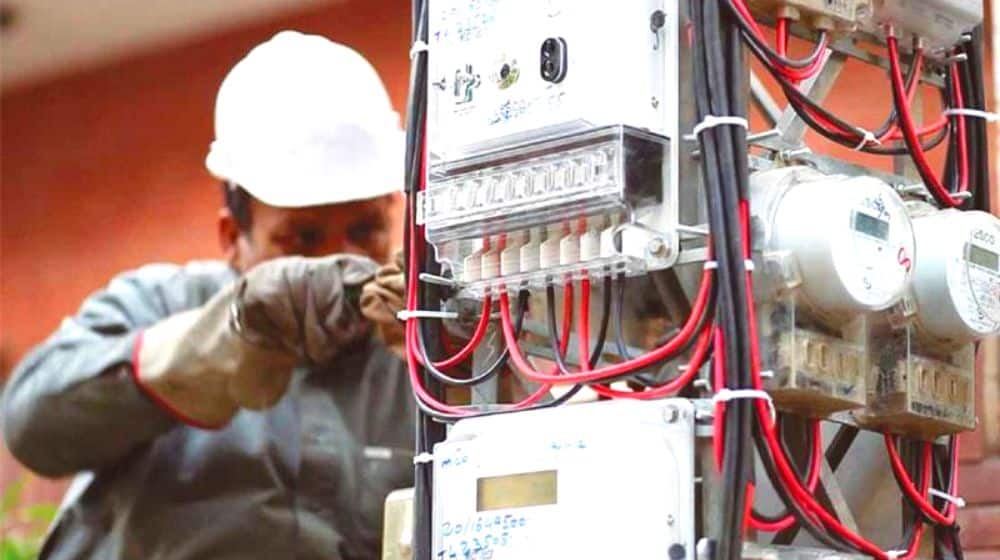
The Power Division explicitly clarified that load management linked to electricity theft and system losses will persist. This policy operates independently of peak-hour demand management. Even if LNG supplies resume tomorrow, areas with high loss metrics will continue to face outages. This structural approach aims to isolate systemic waste from generation-based shortfalls.
The Translation: Breaking Down the Logic
In simple terms, “stability” in this context does not mean “full capacity.” It means the grid is functioning within its current, limited parameters. The Power Division is utilizing hydropower as a temporary substitute for the 5,500 MW LNG deficit. The persistence of “theft-based load management” indicates that the grid’s health is determined as much by law enforcement and consumer behavior as it is by fuel imports.
The Socio-Economic Impact
For the average Pakistani citizen, this stability offers a temporary reprieve for households during night hours. However, for professionals and small industries, the 5,500 MW gap represents a missed opportunity for total economic momentum. The reliance on theft-based load management creates a divide where compliant consumers in high-loss areas are penalized by the actions of their vicinity, impacting local business predictability and education schedules.
The Forward Path: Our Expert Opinion
This development represents a Stabilization Move rather than a Momentum Shift. While the utilization of hydropower shows technical precision, the inability to secure LNG fuel for 5,500 MW of capacity highlights a recurring structural bottleneck. Until the fuel supply chain is decoupled from short-term liquidity issues and theft is mitigated through technology like smart meters, the grid will remain in a state of maintenance rather than growth.








