

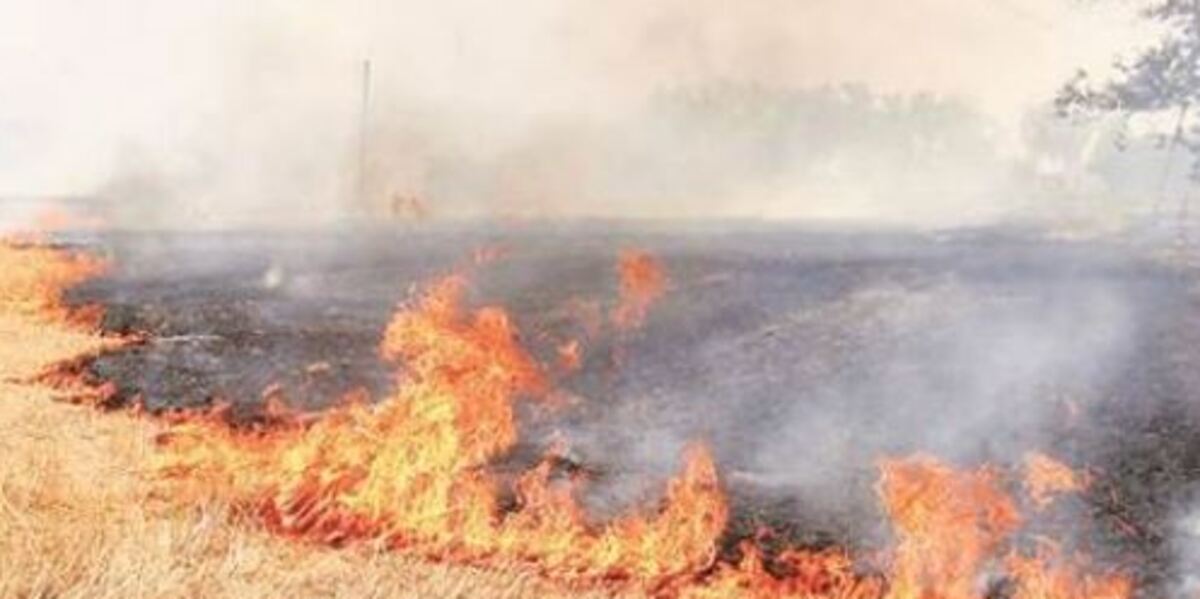
The Punjab Forest Department has calibrated a new defensive baseline by activating the Punjab fire season from April 15 to July 15. This strategic window targets the Rawalpindi Division to mitigate high-risk wildfire catalysts during the peak summer months. By implementing these structural restrictions, the government aims to preserve the ecological integrity of regions including Murree, Kotli Sattian, Kahuta, Kallar Syedan, and the Margalla Hills.
Securing Our Ecosystem: The Punjab Fire Season Protocols
Authorities have identified human activity as a primary driver of forest degradation. Consequently, the new regulations strictly prohibit specific items and actions within dense forest zones to prevent ignition. These precision-driven measures ensure that high-risk areas remain shielded from avoidable disasters.
- Prohibited Items: Carrying matches, cigarettes, or lighters is strictly banned.
- Restricted Tools: The use of axes and knives is disallowed within forest boundaries.
- Zero-Tolerance for Fires: Lighting fires for picnics, barbecues, or cooking is prohibited.
Precision Monitoring and Rapid Response Infrastructure
To ensure system efficiency, the department has deployed an advanced surveillance network. Officials have established temporary offices for real-time forest monitoring and installed high-definition cameras on key routes. Furthermore, field staff now utilize a multi-modal patrolling strategy involving bicycles, motorcycles, and animals to cover difficult terrain.

In addition to surveillance, the authorities constructed strategic water ponds within dense forest sectors. These reservoirs serve a dual purpose: they act as a catalyst for rapid emergency response and provide essential hydration for local wildlife during the dry season.
The Situation Room: Strategic Analysis
The Translation
This initiative represents a shift from reactive firefighting to a proactive regulatory framework. By defining a specific “fire season,” the Punjab government is formalizing environmental risk management. This move converts abstract conservation goals into enforceable, time-bound legal standards that minimize human-induced ignition sources.
The Socio-Economic Impact
For the average Pakistani citizen, these rules protect both health and economy. Wildfires in the Murree and Margalla regions directly degrade the air quality of Islamabad and Rawalpindi. By preventing fires, the government stabilizes local tourism and safeguards the timber and biodiversity assets that support rural livelihoods.
The Forward Path
This development is a Momentum Shift. The integration of 24/7 camera surveillance and animal-assisted patrolling demonstrates a hybrid approach to modern conservation. While these steps are vital, the long-term success of the Punjab fire season depends on public compliance and the continued expansion of water infrastructure across all provincial forest reserves.








