

Establishing a baseline for institutional accountability requires a strategic framework for citizen feedback. Consequently, submitting a Sindh Police complaint through the modernized Complaint Management System (CMS) serves as a critical catalyst for systemic transparency. This digital architecture empowers citizens to bypass traditional bureaucratic bottlenecks, ensuring that precision and justice remain at the forefront of civic governance in Pakistan.
The Translation: Deciphering the Complaint Framework
The Inspector General of Police (IGP) Complaint Cell functions as a calibrated oversight mechanism designed to monitor and rectify law enforcement performance. Rather than navigating complex physical hierarchies, citizens now utilize a centralized digital node. This system translates raw grievances—such as police misconduct or First Information Report (FIR) delays—into trackable, actionable data points. Therefore, the logic is clear: by digitizing the grievance process, the state converts subjective complaints into objective institutional metrics.
Strategic Channels for a Sindh Police Complaint
Citizens can execute their right to report issues via several official precision-driven channels:
- Immediate Voice Assistance: Dial 1715 to connect with the helpline for direct support.
- WhatsApp Integration: Send detailed evidence and reports to 0314-105831.
- Online CMS Portal: Register and track the progression of your case through the official digital portal.
- Email Correspondence: Submit formal documentation to aigcomplaints.cpo@sindhpolice.gov.pk.
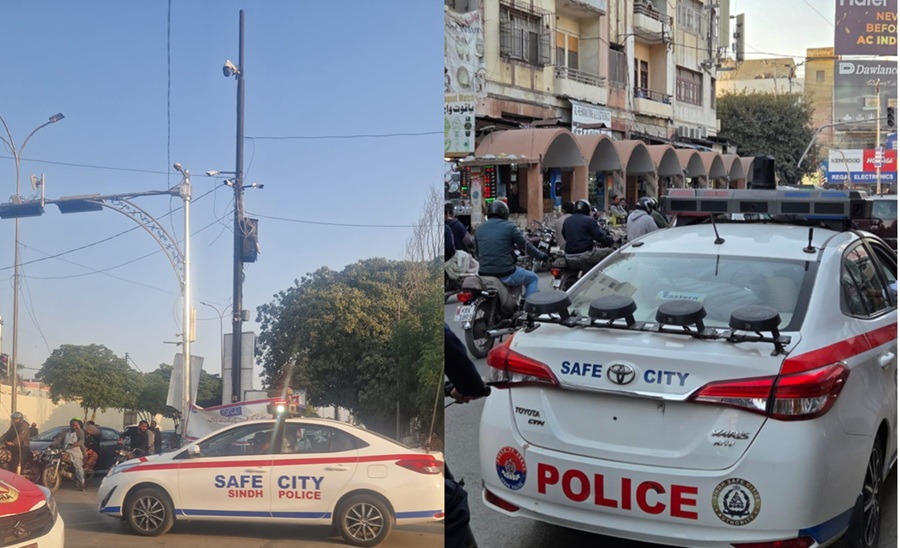
Scope of Institutional Redressal
The CMS is engineered to handle specific structural failures within the policing system. This includes the non-registration of FIRs, which often acts as the primary barrier to justice. Furthermore, the cell investigates faulty or biased investigations, corruption, bribery demands, and instances of illegal detention. Authorities strictly advise citizens to include their CNIC numbers, especially when reporting delays in FIR processing, to ensure data integrity and verification.
The Socio-Economic Impact: Justice at the Doorstep
This digital evolution directly impacts the daily lives of Pakistani citizens by reducing the “friction cost” of seeking justice. For a small business owner in Karachi or a farmer in rural Sindh, the ability to report bribery via WhatsApp removes the fear of physical retaliation at a local police station. Consequently, this shift fosters a more stable economic environment where the rule of law protects assets and personal safety without the need for illicit “facilitation” fees.
The Forward Path: Momentum Shift
In our expert estimation, the expansion of the Sindh Police CMS represents a significant Momentum Shift. While the legal framework has existed for decades, the integration of WhatsApp and 24/7 helplines decentralizes power. It moves the needle from a reactive “Stabilization Move” to a proactive structural reform. For this to reach maximum efficiency, the next logical step is the full integration of AI-driven case tracking to minimize human interference in the audit trail.








