

The Pakistan Meteorological Department (PMD) recently forecasted a significant Pakistan temperature rise, with several key regions expected to surpass the 40°C threshold this week. Consequently, this thermal surge signals an early transition into summer patterns, necessitating calibrated public health and energy management strategies across Sindh and Balochistan. Citizens must prepare for precision-level heat as atmospheric stability shifts toward extreme heatwave conditions by late April.
Analyzing the Pakistan Temperature Rise Data
Current data models indicate that Sibi in Balochistan will likely reach a peak of 44°C. Furthermore, temperatures in Sindh are forecast to climb aggressively, with Sukkur hitting 43°C and Dadu reaching 42°C. In contrast, coastal Karachi remains slightly moderated with a maximum expected temperature of 35°C. Notably, Punjab is also experiencing a baseline elevation, as Multan and Sargodha likely reach 37°C while Lahore stabilizes at 36°C.
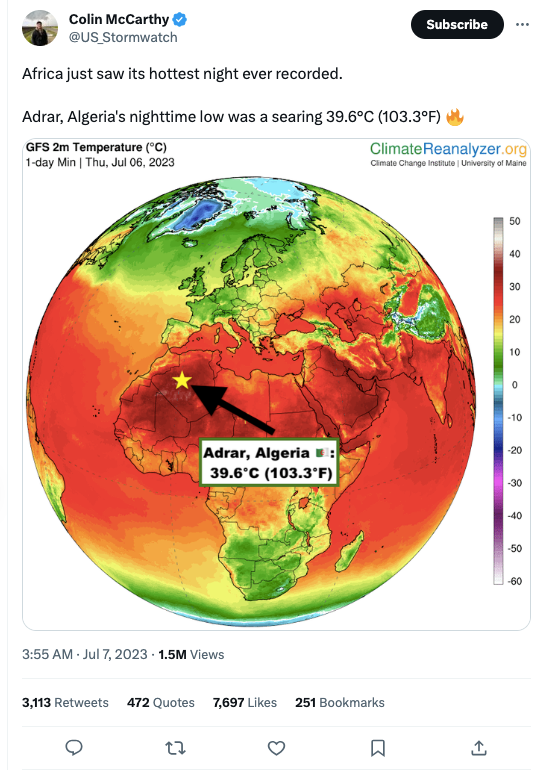
The PMD confirms that dry conditions will persist across much of Sindh in the coming days. Additionally, the upward trend in heat intensity could catalyze severe heatwave conditions by the end of the month. Therefore, maintaining a strategic baseline for resource allocation is critical for municipal authorities.
The Situation Room Analysis
The Translation (Clear Context)
The Pakistan Meteorological Department is shifting its terminology from “seasonal warming” to “extreme thermal escalation.” This transition reflects a structural change in regional climate patterns where dry high-pressure systems trap heat at lower altitudes. Specifically, the stability of these warm air masses suggests that current cooling periods will be shorter and less frequent than previous historical averages.
The Socio-Economic Impact
This Pakistan temperature rise directly affects the daily lives of citizens through increased energy demand and agricultural stress. Professionals and laborers in outdoor sectors face high-risk environments, requiring a strategic shift in working hours to maintain productivity. Furthermore, households in rural Sindh and Balochistan may face heightened water scarcity risks as evaporation rates accelerate under the 40°C+ baseline, impacting livestock and irrigation efficiency.
The Forward Path (Opinion)
In our expert view, this development represents a “Momentum Shift” toward climate volatility rather than a standard seasonal fluctuation. The precision of the PMD forecast underscores the need for a national heat mitigation framework. Consequently, we must move beyond reactive measures and invest in structural urban cooling and resilient grid infrastructure to manage these intensifying thermal cycles effectively.








