
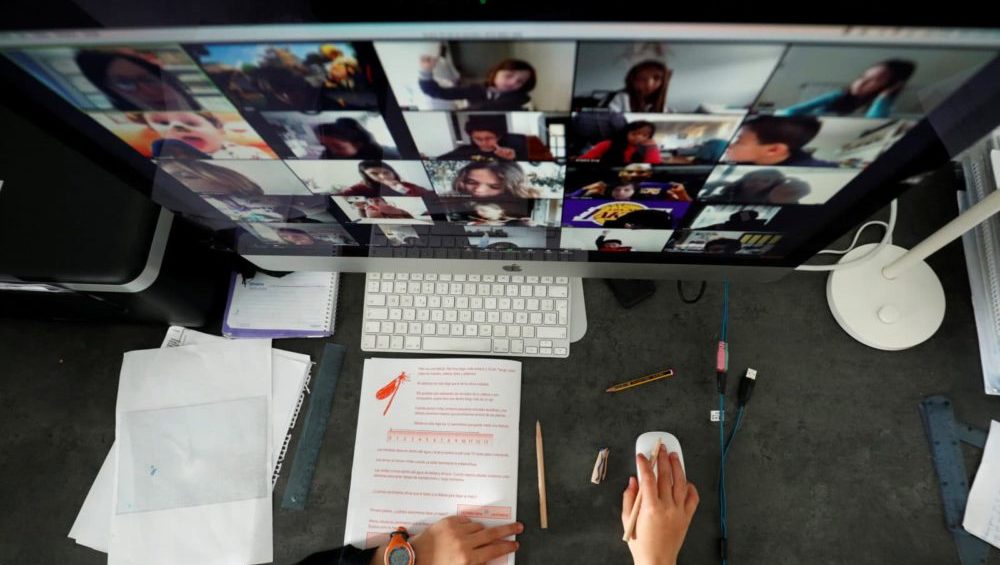
The University of Engineering and Technology (UET) Lahore New Campus recently executed a strategic transition to UET online classes following critical infrastructure blockages at the SK Toll Plaza Interchange. This calibrated move prioritizes student safety while maintaining academic momentum during significant logistical disruptions. While the Kala Shah Kaku (KSK) facility remains temporarily inaccessible, the administration demonstrates a resilient digital-first approach to institutional management. Consequently, students must now pivot to designated digital platforms to continue their engineering curricula.
Structural Adaptation: Why UET Online Classes Became Mandatory
Logistics form the baseline of any functional academic ecosystem. When the SK Toll Plaza Interchange closed, the physical bridge between students and the KSK campus fractured. According to university spokesperson Dr. Tanveer Qasim, the blockage of key entry routes created insurmountable travel difficulties for both faculty and the student body. In response, the administration acted as a catalyst for safety by moving all academic activities to a virtual environment for the duration of the disruption.

The Translation (Clear Context)
In simple terms, the physical “veins” of the campus—its access roads—were blocked. When a university cannot guarantee a safe or timely arrival for thousands of individuals, the system must shift from a physical hardware model to a software-driven one. By implementing UET online classes, the university is not closing; it is simply relocating its operations to a digital cloud to bypass physical gridlock. This ensures that the academic calendar remains on track despite external structural failures.
The Socio-Economic Impact
This shift directly impacts the daily cadence of students and professionals in the Punjab region. By removing the travel bottleneck, the administration preserves productive hours that would otherwise be lost to traffic stagnation. For households, this move mitigates the financial and physical strain of navigating disrupted routes during a period of infrastructure instability. Furthermore, it emphasizes the growing necessity for universal high-speed internet access, as the home now becomes the primary laboratory for the next generation of Pakistani engineers.
The “Forward Path” (Opinion)
From a STEM-driven perspective, this development represents a Stabilization Move. While the shift to online mode prevents a total academic halt, it remains a reactive measure to failing physical infrastructure. For Pakistan to achieve peak system efficiency, our educational hubs must be supported by robust transportation networks or, conversely, fully integrated hybrid learning models that do not rely on crisis-mode deployment. This scenario serves as a precision data point for future urban planning and institutional resilience.








