
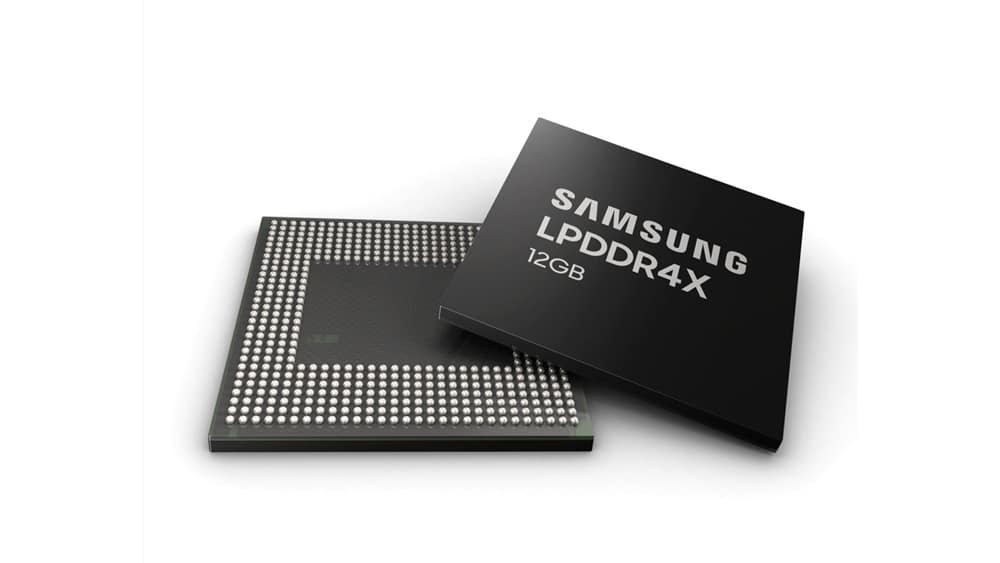
Samsung is executing a calibrated phase-out of its LPDDR4 and LPDDR4X memory modules to accelerate the Samsung LPDDR5 transition. This structural shift reflects a broader industry movement toward high-performance computing standards. Consequently, the tech giant will accept final orders currently, while maintaining a baseline production through 2026 to satisfy existing global commitments. The company intends to retool its manufacturing lines for LPDDR5 dominance by early 2027.
The Strategic Samsung LPDDR5 Transition
According to precise industry data from the DRAM market, Samsung is strategically winding down older standards as global demand gravitates toward faster hardware. By transitioning the manufacturing framework, Samsung effectively positions itself to capture the ongoing semiconductor upcycle.

Precision Timeline and Production Parameters
- Baseline Manufacturing: LPDDR4 and LPDDR4X production continues through late 2026.
- Structural Retooling: Production lines will convert to LPDDR5 standards in Q1 2027.
- Inventory Management: Samsung will fulfill existing orders before a total phase-out of legacy chips.
The Revenue Catalyst
Memory chip prices are currently rising, creating a strategic window for Samsung to maximize its fiscal output. Specifically, by focusing on high-value LPDDR5 products, the company secures stronger revenue streams. Furthermore, this transition allows for the integration of faster memory into entry-level and mid-range devices.

The Translation
Samsung is effectively retiring a legacy “digital highway” to build a high-speed “expressway.” LPDDR4 has served as the industry standard for years, but it lacks the efficiency required for modern AI and high-resolution processing. By ending LPDDR4 production, Samsung is forcing a market-wide upgrade that ensures even the most affordable smartphones operate on modern, high-bandwidth architecture.
The Socio-Economic Impact
For the Pakistani consumer, this structural shift acts as a catalyst for digital equity. Traditionally, high-speed LPDDR5 memory was reserved for flagship devices. However, as Samsung streamlines production, this 50% faster memory will become the baseline for entry-level smartphones. Consequently, students and professionals in Pakistan will gain access to more powerful computing tools at lower price points, narrowing the technological divide.
The Forward Path
This development represents a significant Momentum Shift. Samsung is not merely maintaining its market share; it is aggressively pushing the industry toward a new performance baseline. While the transition requires short-term calibration of supply chains, the long-term result is a more efficient, high-performance ecosystem for global hardware users.








