
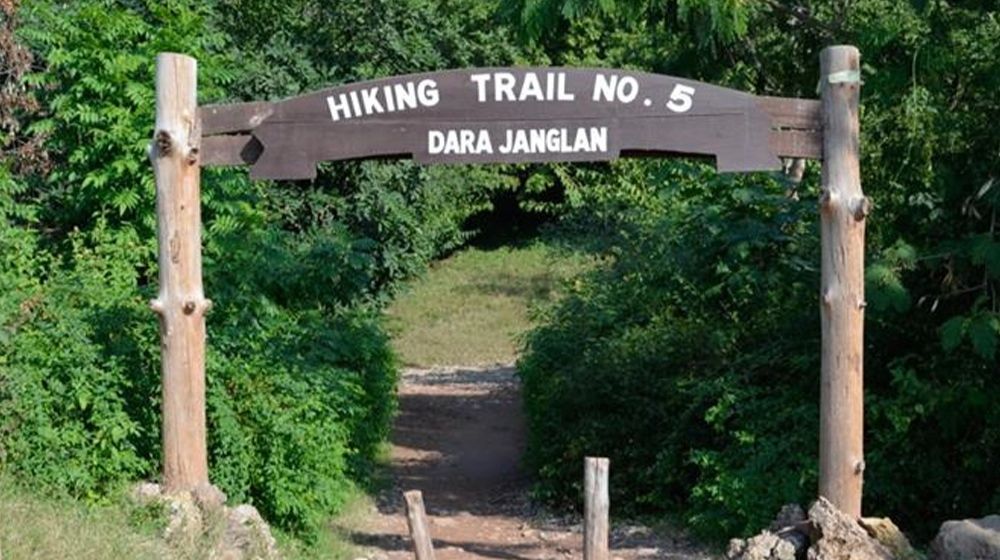
The capital city’s administrative framework has initiated a series of calibrated Islamabad security measures to ensure structural stability within the metropolitan zone. Effective April 20, officials have temporarily suspended access to Trails 2, 3, 4, and 5 in the Margalla Hills. These strategic closures serve as a baseline for a broader security protocol designed to mitigate risks during high-profile operational periods.
Calibrating Traffic Flow and Urban Diversions
Furthermore, the Islamabad Traffic Police has deployed a precision-based traffic management plan to maintain systemic efficiency. The Expressway from Korral to Zero Point remains offline, while Srinagar Highway anticipates intermittent halts throughout the day. Consequently, the Red Zone remains completely sealed to maintain a secure perimeter for critical government infrastructure.
Strategic Routing for Commuters
- Sectors G-5 through F-7: Residents should utilize Margalla Road and Ninth Avenue for all transit.
- Bhara Kahu Access: Commuters are directed to use Kurang Road, Bani Gala, and Lehtrar Road.
- Rawalpindi Connectivity: Travelers from Saddar should prioritize Colonel Sher Khan Road and Fakir Aipi Road.
Heavy Vehicle Restrictions
A strategic ban now restricts heavy traffic from entering the city core until further notice. Logistics providers traveling between Peshawar and Lahore must utilize motorway routes via Taxila and Chakri. Transporters should delay unnecessary travel to avoid bottlenecking the calibrated security corridors.
The Translation: Deciphering Islamabad Security Measures
While “security arrangements” often imply simple roadblocks, the underlying logic involves a proactive lockdown of high-ground vantage points and sterile corridors. By closing the hiking trails, authorities eliminate peripheral blind spots. Sealing the Red Zone ensures a controlled environment for diplomatic or sensitive operations, converting the city center into a high-precision security zone.
The Socio-Economic Impact
These developments directly influence the daily cadence of Pakistani professionals and students. Increased “commute friction” may lead to temporary delays in the services sector and higher fuel consumption due to longer alternative routes. However, these disruptions represent a necessary trade-off for urban stability, ensuring that the national capital remains a secure environment for business and governance.
The Forward Path
This development represents a Stabilization Move. While these manual lockdowns are effective for short-term security, they highlight the need for a shift toward non-intrusive surveillance and smart-city protocols. Future progress depends on transitioning from physical barriers to digital perimeter management to minimize economic friction during security surges.








