

The Punjab Environment Department has initiated a calibrated strategy to enhance industrial pollution control by mandating environmental buffer zones around all industrial estates. Dr. Imran Hamid Sheikh issued these directives to mitigate the atmospheric impact of smoke and hazardous gases emitted by manufacturing units. Consequently, this systemic intervention ensures a critical baseline for public health and environmental integrity across the province.
Calibrating Industrial Pollution Control in Punjab
The directive operates under the legal authority of the Pakistan Environmental Protection Act 1997. This framework provides the regulatory precision needed to curb industrial emissions effectively. Furthermore, officials emphasize that industrial pollution now represents a structural risk to human health, necessitating immediate and rigorous enforcement of environmental laws.

Technological Oversight and GIS Mapping
To ensure high-fidelity monitoring, the Environmental Protection Agency (EPA) has deployed field teams for strict implementation. Specifically, the department assigned GIS specialists the responsibility of mapping industrial zones to track plantation progress. Authorities warned that any industry failing to meet these plantation targets will face immediate legal repercussions. Moreover, the government has strictly banned the unauthorized cutting of trees and will not tolerate damage to existing green belts.
The Situation Room Analysis
The Translation
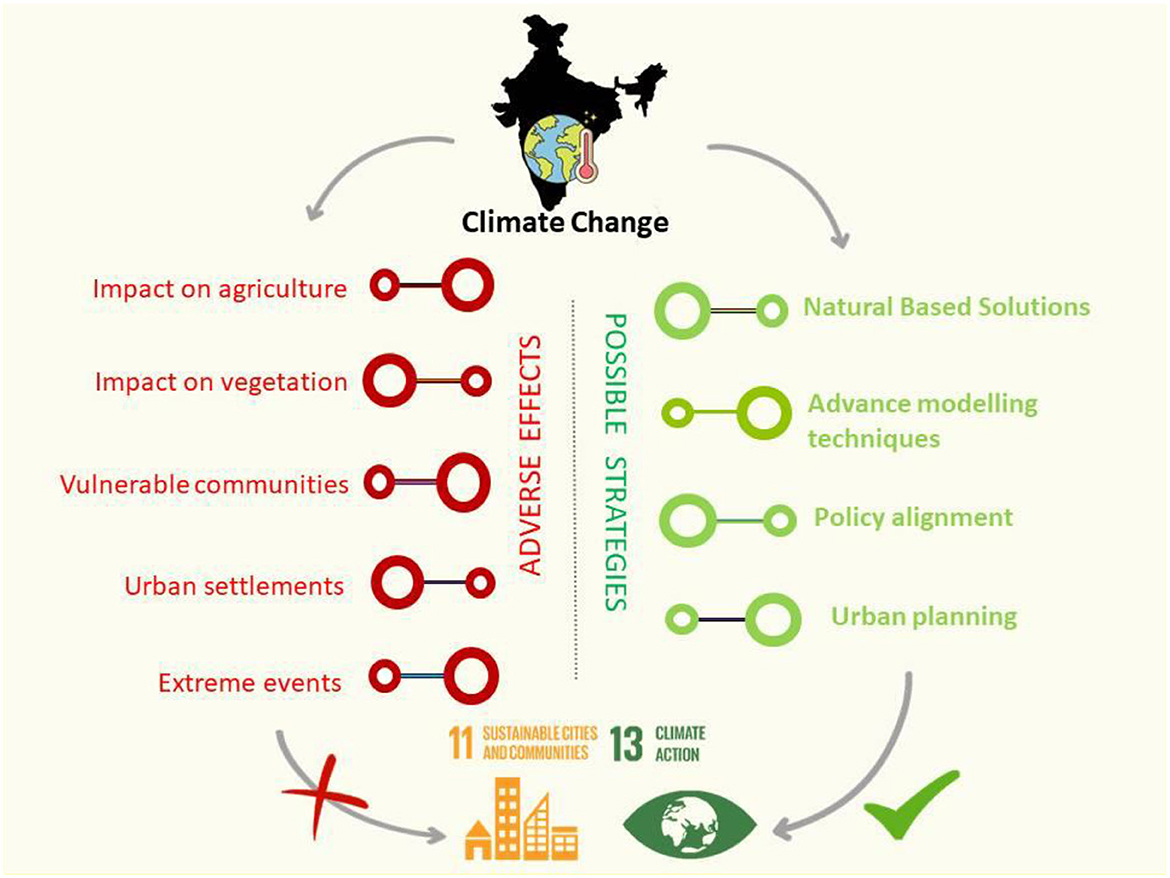
This policy transforms abstract environmental goals into a spatial reality. By creating “green lungs” around factories, the government is using natural filtration as a strategic defense against particulate matter. In simpler terms, these buffer zones act as a biological shield, absorbing toxins before they reach residential neighborhoods. This represents a shift from passive monitoring to active, structural mitigation of industrial pollution control.
The Socio-Economic Impact
For the average Pakistani citizen, this development promises a tangible reduction in respiratory ailments and healthcare costs. Residents living near industrial hubs, particularly in cities like Faisalabad and Gujranwala, will benefit from improved local air quality indices. Economically, while industries must now invest in green infrastructure, the long-term stabilization of public health will likely increase workforce productivity and decrease the national burden of pollution-related diseases.
The Forward Path
This initiative represents a significant Momentum Shift. By integrating GIS technology with traditional plantation mandates, Punjab is moving toward a precision-based environmental model. However, the ultimate success depends on the consistency of enforcement and the transparency of the GIS data. If maintained, this could serve as a catalyst for a nationwide standard in sustainable industrialization.








